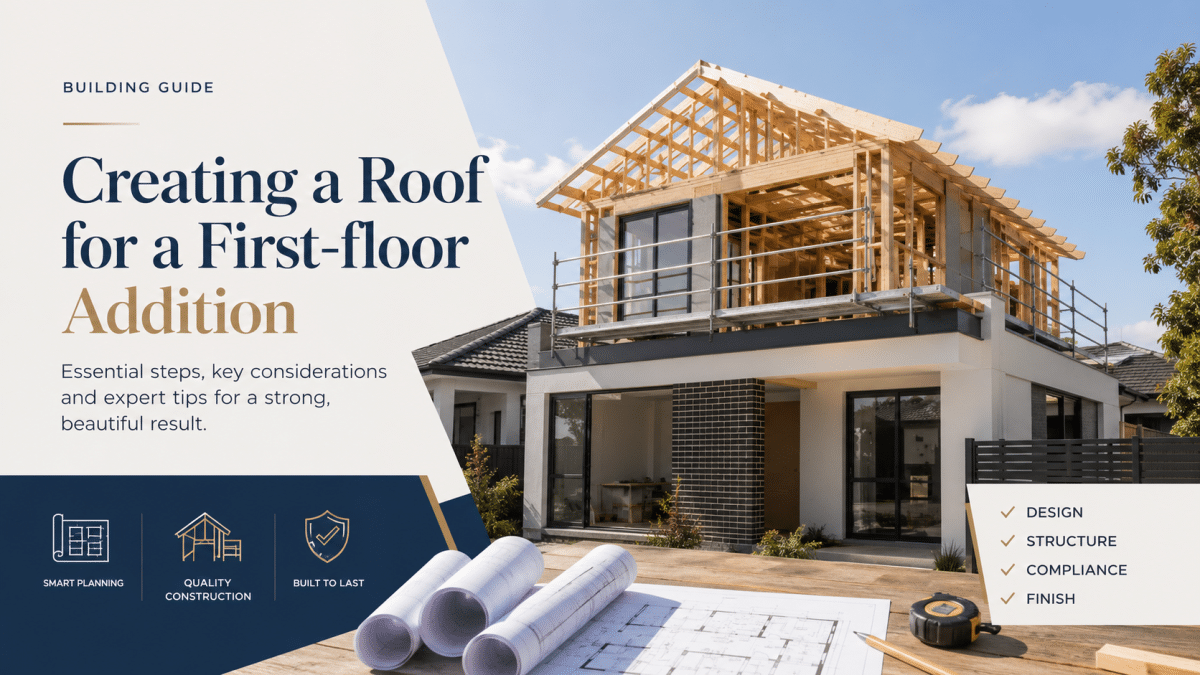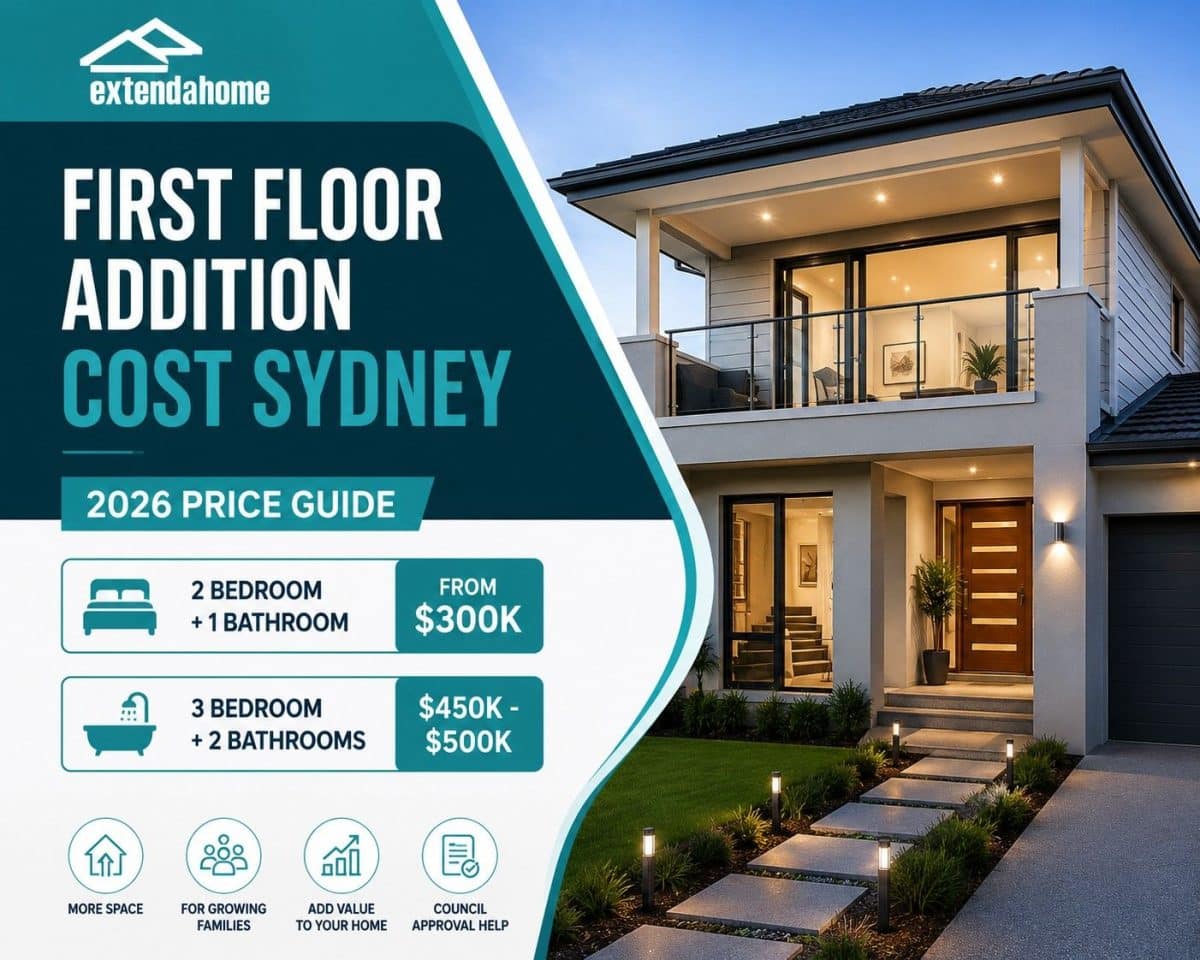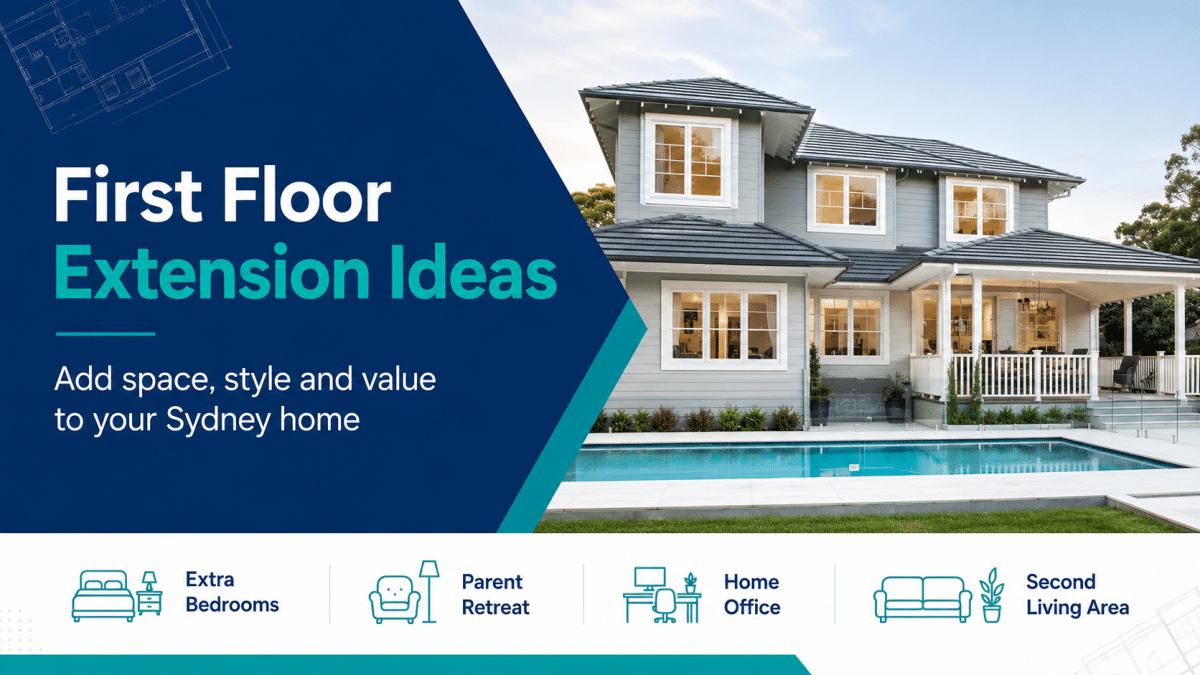
...

Granny Flat vs First Floor Addition: What Sydney Homeowners Prefer in 2026

As property prices across Sydney continue to rise in 2026, homeowners are increasingly choosing to upgrade rather than relocate. The challenge, however, is deciding how to create more space effectively.

Two of the most popular options are:

  • Building a granny flat
  • Adding a first floor to an existing home

Both solutions offer unique advantages, but they serve very different purposes. Understanding the differences between a granny flat vs first floor addition in Australia is essential before making a decision.

At Extend A Home, we work with homeowners across Sydney and NSW to help them choose the right solution based on their space, budget, and long-term goals.

Understanding the Two Options

What Is a Granny Flat?

A granny flat is a self-contained secondary dwelling built on the same property as the main house. It typically includes:

  • A bedroom
  • Bathroom
  • Kitchen
  • Living space

Granny flats are often used for:

  • Rental income
  • Multi-generational living
  • Guest accommodation

What Is a First Floor Addition?

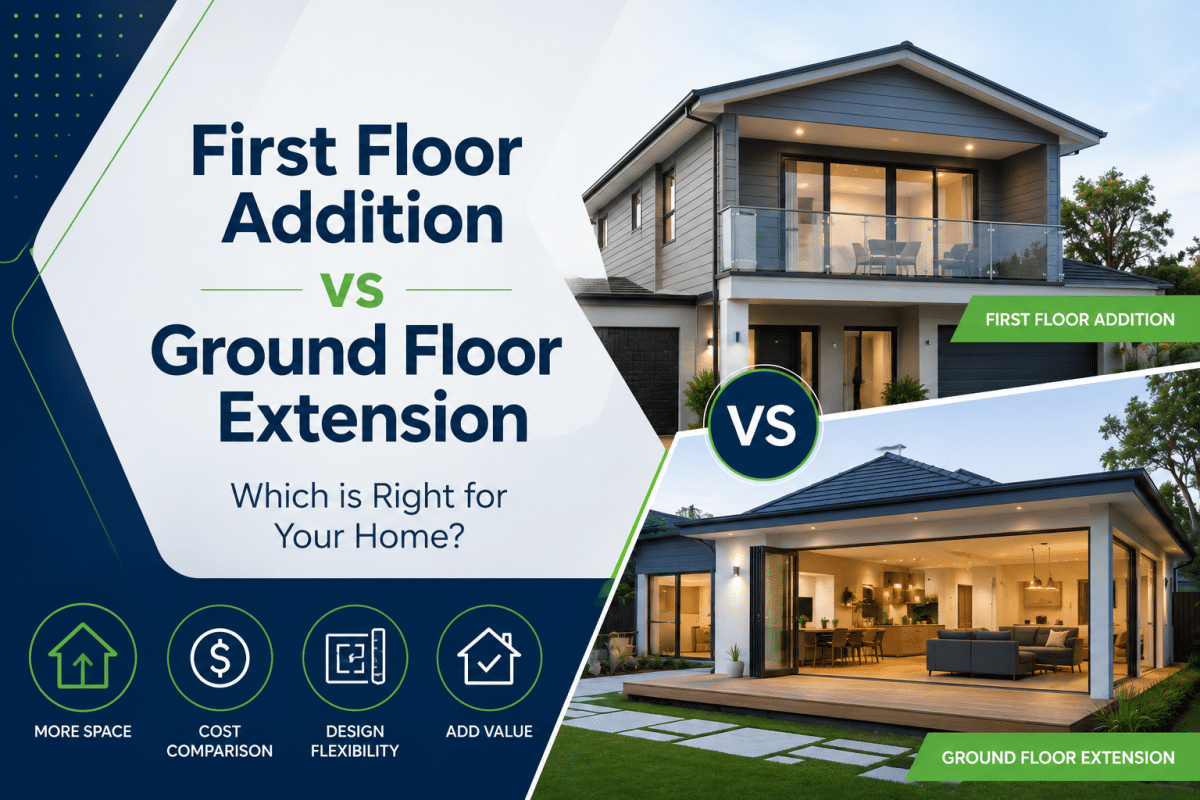
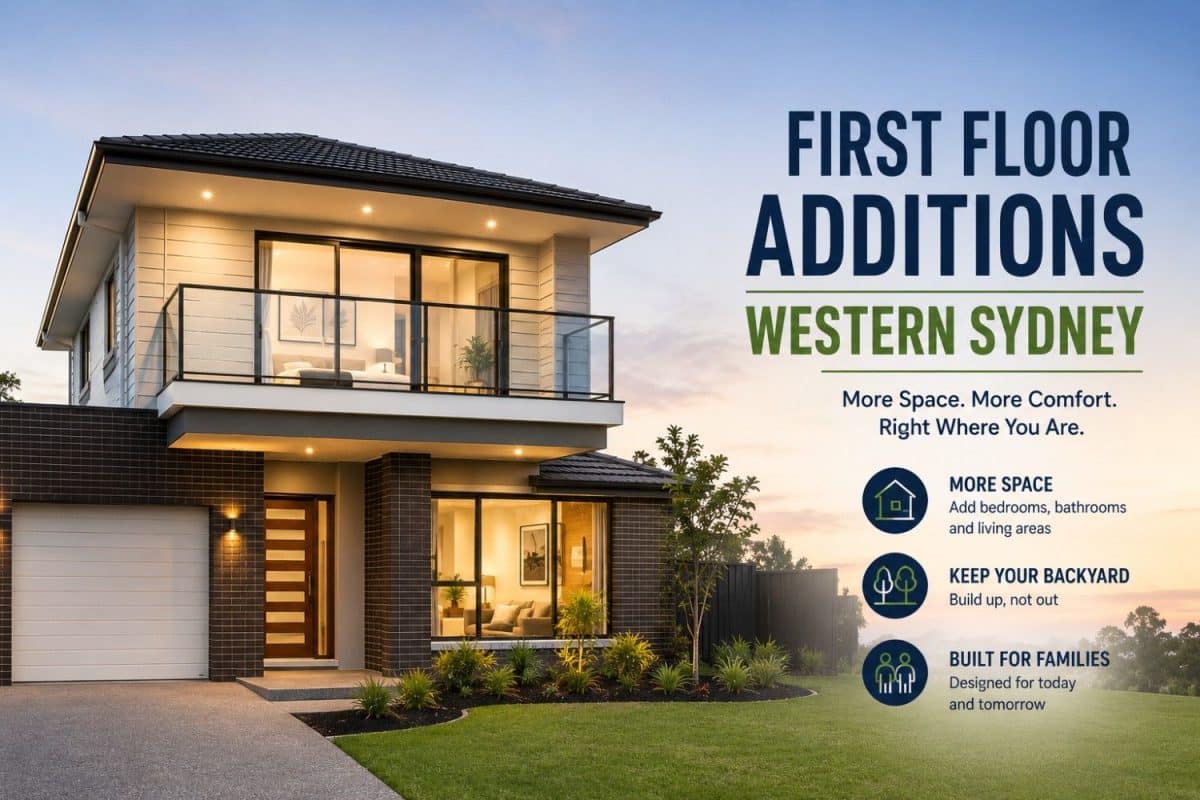
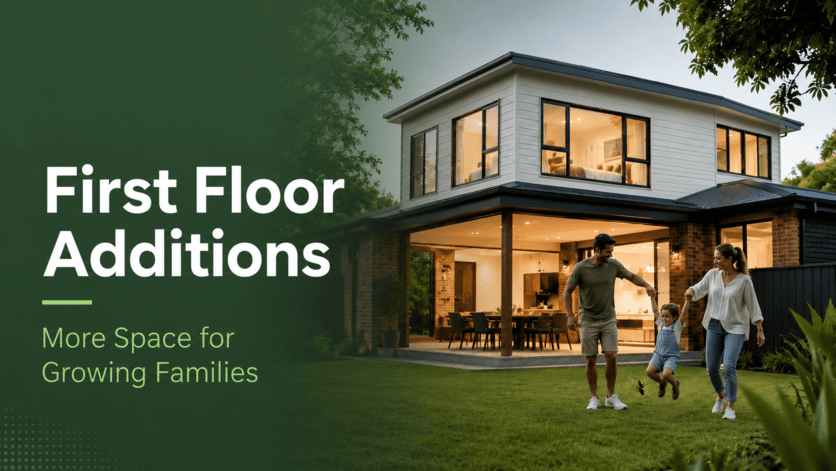
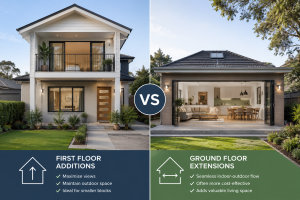
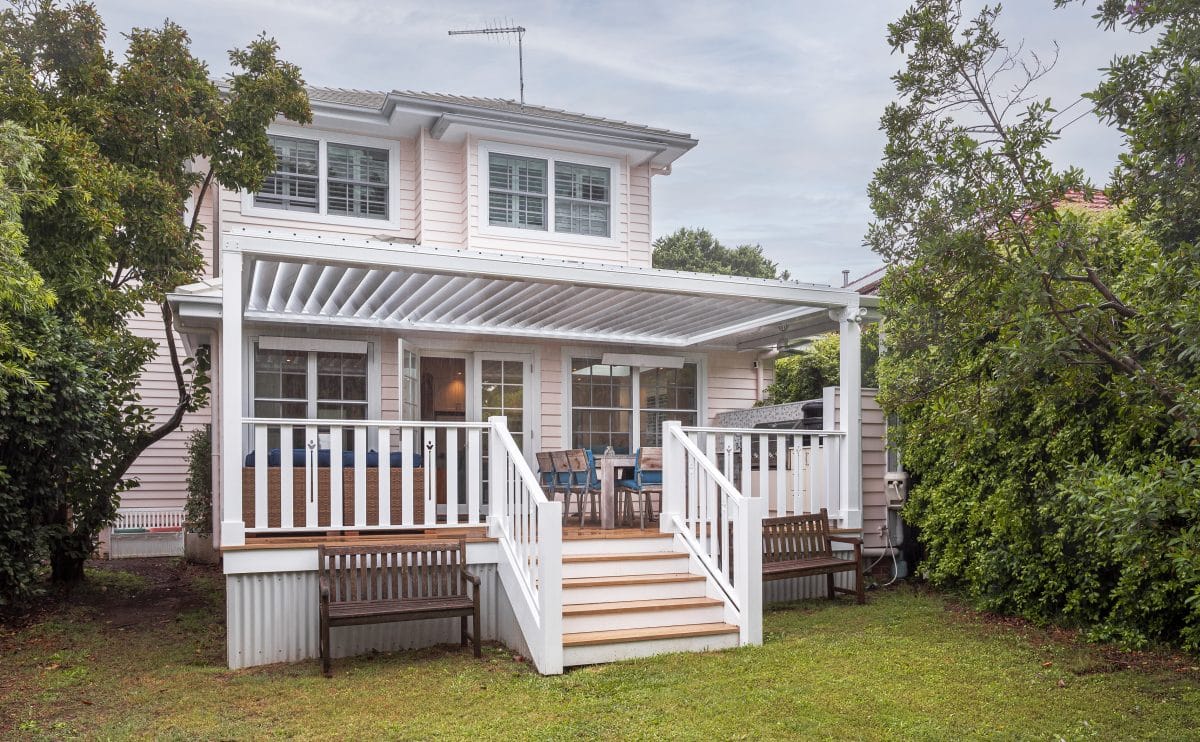
A first-floor addition involves building upward, adding a second storey to your existing home.

This type of extension is ideal for:

  • Growing families
  • Creating additional bedrooms
  • Expanding living areas without reducing land space

Granny Flat vs First Floor Addition Cost

Cost is one of the biggest deciding factors for homeowners.

Granny Flat Costs (Sydney/NSW):

  • Typically: $120,000 – $250,000+
  • Depends on size, design, and finishes

First Floor Addition Costs:

  • Typically: $250,000 – $600,000+
  • Higher due to structural work and complexity

Key cost differences:

  • Granny flats are generally cheaper upfront
  • First-floor additions require:
  • Structural reinforcement
  • Engineering approvals
  • More extensive construction

Is It Cheaper to Build or Extend?

A common question is: Is it cheaper to build or extend?

In most cases:

  • Building a granny flat is cheaper than a first-floor addition
  • However, extending upward can provide greater long-term value

The right choice depends on:

  • Your budget
  • Available land space
  • Intended use (investment vs lifestyle)

Granny Flat vs First Floor Addition Pros and Cons

Granny Flat Pros:

  • Lower construction cost
  • Potential rental income
  • Faster build time
  • Flexible usage

Granny Flat Cons:

  • Reduces backyard space
  • May have council restrictions
  • Limited impact on the main home layout

First Floor Addition Pros:

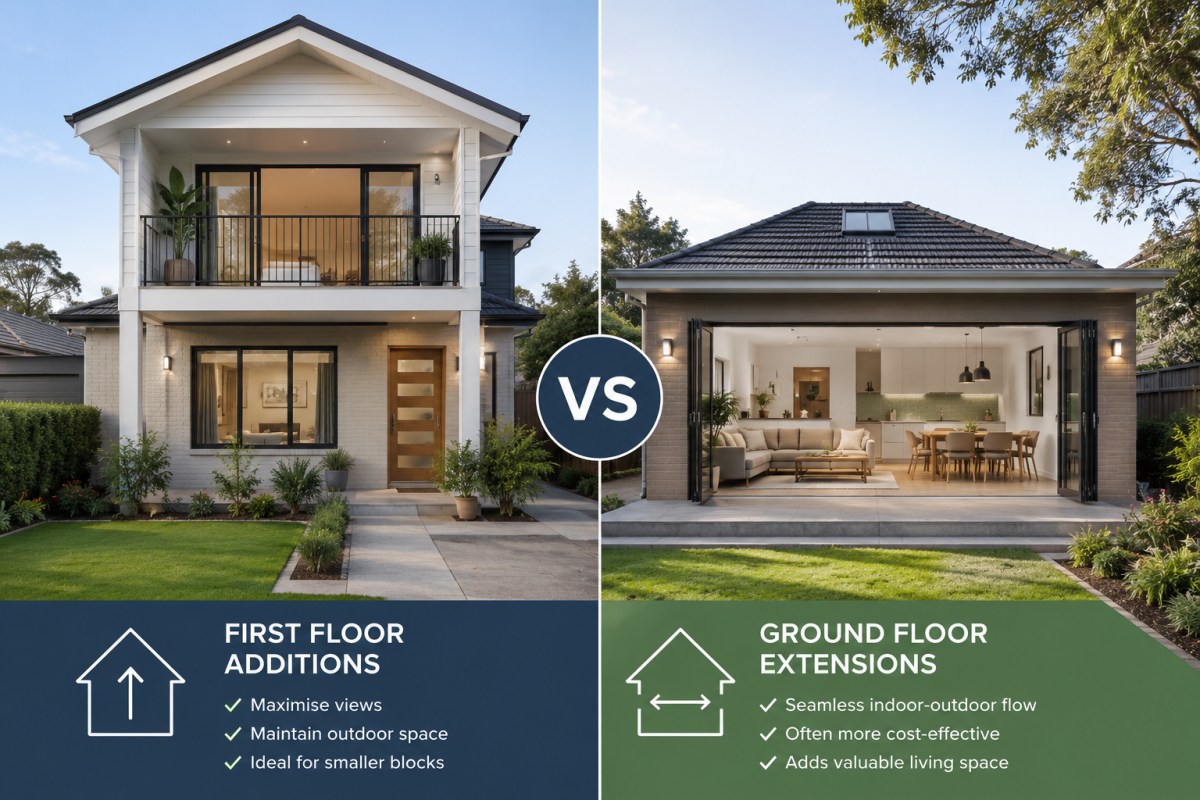
  • Maximises existing land
  • Increases property value significantly
  • Ideal for growing families
  • Maintains outdoor space

First Floor Addition Cons:

  • Higher cost
  • Longer construction timeline
  • Temporary disruption to living conditions

Granny Flat vs House Extension NSW: What’s More Popular?

In NSW, both options are popular—but preferences are shifting based on homeowner needs.

Granny flats are popular for:

  • Investment-focused homeowners
  • Rental income opportunities
  • Multi-generational living

First-floor additions are preferred for:

  • Long-term family living
  • Upgrading lifestyle without moving
  • Maximising space on smaller blocks

In suburbs across Sydney—especially in areas like the Inner West, Parramatta, and Western Sydney—both solutions are being widely adopted.

What Sydney Homeowners Prefer in 2026

In 2026, the decision between a granny flat and a first-floor addition is being driven by intent rather than just cost.

Trend 1: Investment vs Lifestyle

  • Investors prefer granny flats for rental returns
  • Families prefer first-floor additions for space and comfort

Trend 2: Land Availability

  • Larger blocks favour granny flats
  • Smaller blocks favour building upward

Trend 3: Property Value Growth

  • First-floor additions often deliver higher capital growth
  • Granny flats provide dual-income potential

Rental Income vs Capital Growth

Understanding your financial goals is key.

Granny Flat:

  • Generates rental income
  • Provides quicker return on investment
  • Ideal for passive income strategies

First Floor Addition:

  • Increases overall property value
  • Enhances long-term resale potential
  • Improves lifestyle rather than immediate income

Council Regulations and Approvals in NSW

Both options require council approval, but the requirements differ.

Granny Flats:

  • Subject to NSW planning regulations
  • Must meet size and zoning requirements

First Floor Additions:

  • Require structural approvals
  • Must comply with building codes and height restrictions

Working with experienced professionals ensures compliance and avoids delays.

Construction Timeline Comparison

Granny Flat:

  • Typically completed in 3–6 months

First Floor Addition:

  • Can take 6–12 months or more

The complexity of building upward often extends timelines due to:

  • Structural work
  • Weather considerations
  • Design approvals

Which Option Adds More Value?

Both options can increase property value—but in different ways.

Granny Flat:

  • Adds value through rental income potential
  • Appeals to investors and multi-family buyers

First Floor Addition:

  • Increases usable living space
  • Appeals to families and owner-occupiers
  • Often results in higher resale value

Key Factors to Consider Before Choosing

Before deciding between a granny flat vs first floor addition, consider:

  • Your budget
  • Available land space
  • Long-term goals
  • Rental income vs lifestyle needs
  • Council regulations
  • Construction timeline

Each property is different, and the right solution depends on your specific circumstances.

Expert Insight from Extend A Home

At Extend A Home, we’ve seen a clear trend in Sydney:

  • Homeowners with investment goals lean towards granny flats
  • Families planning a long-term stay prefer first-floor additions

Our approach focuses on:

  • Understanding your needs
  • Assessing your property
  • Delivering tailored solutions

This ensures your renovation or extension delivers maximum value.

Final Thoughts

The choice between a granny flat vs first floor addition in Australia ultimately comes down to your priorities.

If your goal is:

  • Rental income → Granny flat
  • More living space → First-floor addition

Both options are strong investments in 2026—but choosing the right one can significantly impact your financial and lifestyle outcomes.

Frequently Asked Questions (FAQs)

1. Granny flat vs first-floor addition cost: Which is cheaper?

Granny flats are generally cheaper, costing around $120,000–$250,000, while first-floor additions can range from $250,000–$600,000+.

2. Is it cheaper to build or extend?

Building a granny flat is usually cheaper, but extending upward can offer better long-term value.

3. What are the pros and cons of granny flat vs first floor addition?

Granny flats offer rental income and lower cost, while first-floor additions provide more living space and higher property value.

4. What is more popular in NSW: granny flat or extension?

Both are popular, but granny flats are preferred for investment, while extensions are chosen for lifestyle upgrades.

5. Does a granny flat add value to a property?

Yes, especially for investors, as it creates an additional income stream.

6. Does a first-floor addition increase property value?

Yes, it significantly increases living space and resale value.

7. How long does it take to build a granny flat vs extension?

Granny flats take 3–6 months, while first-floor additions can take 6–12 months or longer.

8. Which option is better for small blocks in Sydney?

First-floor additions are generally better for smaller blocks as they maximise vertical space.

Disclaimer

This content is for general informational purposes only and does not constitute construction, financial, or legal advice. Costs, timelines, and approvals for granny flats or first-floor additions may vary depending on your property, location, and council regulations in NSW. Always consult qualified builders, designers, or professionals before making any construction decisions.

Top Home Renovation Trends Sydney Homeowners Are Following in 2026

In 2026, Sydney homeowners are rethinking how they use and upgrade their living spaces. With property prices remaining high across NSW, moving is no longer the default solution. Instead, more homeowners are choosing to renovate—transforming their current homes into spaces that better suit their evolving lifestyles.

From Inner West terraces to growing family homes in Western Sydney, renovation trends are being shaped by a combination of practicality, design innovation, and long-term investment thinking.

At Extend A Home, we’re seeing a clear shift: homeowners are no longer renovating just to modernise—they are renovating with purpose, strategy, and future value in mind.

What Are the Renovation Trends for 2026?

The renovation trends for 2026 reflect how people live today. Homes are expected to serve multiple functions, and design choices are being driven by flexibility and efficiency.

Key renovation trends in Sydney include:

  • Open-plan living with defined functional zones
  • Multi-use spaces (home office, guest room, study areas)
  • Seamless indoor-outdoor integration
  • Smart home automation
  • Sustainable materials and energy-efficient upgrades

Rather than following trends blindly, Sydney homeowners are focusing on renovations that deliver both lifestyle improvements and long-term return on investment.

Interior Top Home Renovation Trends Sydney

Interior renovations are becoming more thoughtful and tailored to daily living.

1. Open-Plan Living with Smart Zoning

Open-plan layouts are still popular, but homeowners now want structure within that openness.

Instead of completely open spaces, designers are using:

  • Feature lighting
  • Flooring variations
  • Partial walls or joinery

This creates separation without losing flow—ideal for modern family living.

2. Natural Materials and Warm Tones

Sydney interiors are moving away from overly stark designs and embracing:

  • Timber finishes
  • Stone surfaces
  • Soft neutral colours

These elements create a timeless, calming environment that appeals to both homeowners and future buyers.

3. Dedicated Workspaces

With remote and hybrid work continuing in 2026, home offices are no longer optional.

Popular additions include:

  • Built-in desks
  • Custom shelving
  • Quiet zones away from main living areas

This trend is especially strong in suburbs like Parramatta, Ryde, and the Inner West, where professionals are working from home more frequently.

4. Maximising Space Through Storage

Sydney homes often face space constraints, making storage a key priority.

Innovative solutions include:

  • Floor-to-ceiling cabinetry
  • Under-stair storage
  • Hidden compartments

Efficient storage not only improves functionality but also enhances the overall aesthetic of the home.

Kitchen Top Home Renovation Trends Sydney

The kitchen remains the centrepiece of any home—and one of the most valuable renovation investments.

1. Larger, Open Kitchens

Sydney homeowners are prioritising space and flow, often removing walls to create:

  • Open kitchen-living areas
  • Large island benches
  • Walk-in pantries

2. High-End Finishes

Premium materials are dominating kitchen renovations, including:

  • Stone benchtops
  • Custom cabinetry
  • Designer tapware

These upgrades not only improve usability but also significantly increase property value.

3. Integrated and Smart Appliances

Modern kitchens are becoming more seamless and technology-driven.

Common features include:

  • Built-in ovens and fridges
  • Smart appliances
  • Minimalist, handle-less cabinetry

4. Kitchens Designed for Entertaining

Sydney homeowners are designing kitchens with socialising in mind.

This includes:

  • Island seating
  • Open layouts connecting to outdoor areas
  • Bar-style features

Kitchens are no longer just functional—they are social hubs.

What Sydney Suburbs Are Set to Boom in 2026?

Home Renovation trends are closely tied to suburban growth and demand.

Key areas to watch in 2026:

  • Western Sydney (due to infrastructure and affordability)
  • Inner West (ongoing gentrification and lifestyle appeal)
  • South-West Sydney growth corridors
  • Northern Beaches for lifestyle-driven buyers

These areas are seeing increased renovation activity as homeowners aim to:

  • Upgrade older properties
  • Increase resale value
  • Capitalise on future growth

How Much Does a Full House Renovation Cost in Australia?

Cost is one of the biggest considerations when planning a renovation.

Average costs in Sydney:

  • Basic renovation: $1,500–$2,500 per sqm
  • Mid-range renovation: $2,500–$4,000 per sqm
  • High-end renovation: $4,000+ per sqm

Total project estimates:

  • Small renovations: $80,000–$150,000
  • Medium renovations: $150,000–$300,000
  • Full renovations: $300,000–$500,000+

What affects cost:

  • Size and layout of the home
  • Quality of materials
  • Structural changes
  • Labour and contractor availability

Sydney typically sits at the higher end of renovation costs due to demand and labour rates.

What Is the Most Expensive Part of a House Renovation?

Certain areas consistently account for the largest portion of renovation budgets.

1. Kitchens

Due to cabinetry, appliances, plumbing, and finishes.

2. Bathrooms

Waterproofing, tiling, and fixtures significantly increase costs.

3. Structural Changes

Removing walls, extensions, and layout changes requires engineering and approvals.

Understanding these costs early helps homeowners prioritise and plan effectively.

What Are Common Renovation Mistakes?

Even well-planned renovations can go wrong without the right approach.

Common mistakes include:

1. Underestimating the Budget

Unexpected costs are common, so a contingency budget is essential.

2. Poor Layout Decisions

Designing without considering functionality can lead to long-term frustration.

3. Following Trends Blindly

Not all trends suit every home or lifestyle.

4. Hiring Inexperienced Contractors

Poor workmanship can result in costly rework.

5. Lack of Planning

Jumping into renovations without a clear strategy often leads to delays and overspending.

Why Renovating Is More Popular Than Moving in Sydney

Sydney’s high property prices and stamp duty costs are encouraging homeowners to stay and renovate.

Benefits of renovating:

  • Avoid relocation costs
  • Customise your home to your needs
  • Increase property value
  • Stay in your preferred suburb

For many homeowners, renovation is a smarter financial decision than upgrading to a new property.

Smart Renovation Strategies for 2026

To get the most out of your renovation:

  • Focus on high-impact areas like kitchens and living spaces
  • Plan for both current needs and future resale value
  • Invest in quality materials where it matters
  • Work with experienced professionals
  • Allow for a contingency budget

Partnering with specialists like Extend A Home ensures your renovation is executed efficiently and professionally.

Final Thoughts

The home renovation trends Sydney 2026 highlight a shift towards smarter, more functional living spaces.

Homeowners are no longer renovating for short-term upgrades—they are investing in:

  • Lifestyle improvements
  • Property value growth
  • Long-term sustainability

Whether you’re planning a minor update or a full transformation, understanding these trends can help you make informed decisions and maximise your investment.

Frequently Asked Questions (FAQs)

1. What are the renovation trends for 2026?

Key trends include open-plan living with zoning, smart technology, sustainable materials, and multi-functional spaces.

2. What Sydney suburbs are set to boom in 2026?

Western Sydney, Inner West, Northern Beaches, and South-West Sydney are expected to see strong growth.

3. How much does a full house renovation cost in Australia?

Costs typically range from $150,000 to $500,000+, depending on size, materials, and complexity.

4. What is the most expensive part of a house renovation?

Kitchens, bathrooms, and structural changes are usually the most expensive.

5. What are common renovation mistakes?

Common mistakes include poor planning, underestimating costs, and choosing low-quality materials.

6. Are renovations worth it in Sydney?

Yes, renovations can increase property value and improve lifestyle while avoiding the high cost of moving.

7. What are interior top home renovation trends Sydney?

Interior trends include natural materials, smart storage, home offices, and flexible layouts.

8. What are kitchen top home renovation trends Sydney?

Kitchen trends focus on larger layouts, premium finishes, integrated appliances, and entertaining spaces.

Disclaimer

This content is for general informational purposes only and does not constitute construction, financial, or legal advice. Renovation costs, timelines, and outcomes may vary based on your property, location, and project scope. Always consult qualified builders, designers, or renovation professionals before starting any renovation project.

The Growing Trend of Second Storey Additions in Australia

Across Australia, more homeowners are choosing to expand their homes upward rather than outward. Second storey additions have become one of the most popular renovation options for families looking to increase living space without relocating.

With property prices rising and land becoming increasingly scarce, especially in established suburbs, homeowners are discovering that adding a second level can be a practical and long-term solution.

At Extend A Home, we work with homeowners who want to transform their existing properties into larger, more functional homes through well-designed second storey extensions.

In this guide, we explore why second-storey additions are becoming increasingly popular in Australia, their benefits, and what homeowners should consider before starting a project.

second storey additions Australia

Why Second Storey Additions Are Becoming More Popular

Several factors have contributed to the growing demand for second-storey extensions across Australia.

For many homeowners, expanding upward provides a way to improve their living space while staying in their preferred neighbourhood.

Rising Property Prices

Property prices in many Australian cities have increased significantly over the past decade. As a result, upgrading to a larger home can be expensive.

Buying a new property often involves additional costs such as:

  • Stamp duty
  • Real estate agent fees
  • Moving expenses
  • Legal costs

Second storey additions allow homeowners to expand their homes without incurring these relocation costs.

Limited Land Space

In many established suburbs, properties have limited land available for expansion.

Ground floor extensions can reduce valuable outdoor space, such as gardens or backyards.

Building upward allows homeowners to increase floor space while maintaining outdoor areas.

Growing Families and Changing Needs

Families often outgrow their homes as children grow older or new lifestyle needs emerge.

Second-storey additions can provide space for:

  • Extra bedrooms
  • Home offices
  • Additional bathrooms
  • Private retreat areas

These upgrades allow homeowners to adapt their homes to changing family needs.

Benefits of Adding a Second Storey

Adding a second storey offers several advantages beyond simply increasing floor space.

Maximising Living Space

A second storey can significantly increase usable living space without altering the property’s footprint.

Homeowners can add multiple rooms while maintaining the ground-floor layout.

Enhancing Property Value

Well-designed second-storey extensions often increase a home’s market value.

Properties with additional bedrooms, improved layouts, and modern features are generally more appealing to potential buyers.

Improving Privacy and Layout

Second-storey additions allow homeowners to separate living zones within the home.

For example:

  • Bedrooms can be located upstairs for privacy
  • Living areas can remain on the ground floor
  • Dedicated workspaces can be created away from busy family areas

This zoning improves overall comfort and functionality.

Popular Second Storey Design Ideas

Homeowners often customise their second-storey additions to suit their lifestyle and future needs.

Some popular design ideas include:

Master Bedroom Retreats

Many homeowners choose to create a spacious main suite upstairs, complete with:

  • Walk-in wardrobes
  • Ensuite bathrooms
  • Private balconies

This design creates a comfortable and private retreat within the home.

Additional Bedrooms for Families

Growing families often add two or more bedrooms on the second level to accommodate children or guests.

This helps free up space on the ground floor for living and entertaining areas.

Home Offices and Study Areas

With more people working from home, dedicated office spaces have become an important feature in modern renovations.

Second-storey additions provide quiet workspaces separate from busy household areas.

Upstairs Living Rooms

Some homeowners choose to add an upstairs lounge or family room, creating a separate relaxation area.

This can be particularly useful for larger families.

Planning a Second Storey Addition

While second-storey extensions offer many benefits, they require careful planning.

Homeowners should consider several important factors before beginning construction.

Structural Assessment

Not every home is immediately suitable for a second-storey addition.

A structural assessment helps determine whether the existing foundation and walls can support an additional level.

In some cases, reinforcement may be required.

Council Regulations and Approvals

Most second-storey additions require planning approval from local councils.

Regulations may involve:

  • Height restrictions
  • Setback requirements
  • Building codes and safety standards

Working with experienced builders and designers helps ensure compliance with these regulations.

Budget Planning

Second-storey additions involve a significant investment.

Costs depend on factors such as:

  • Size of the extension
  • Structural modifications required
  • Materials and finishes
  • Architectural design complexity

A clear budget helps ensure the project runs smoothly from start to finish.

The Role of Professional Builders

Second-storey additions are complex construction projects that require coordination between architects, engineers, and builders.

Professional builders help manage every stage of the project, including:

  • Design and planning
  • Structural engineering
  • Council approvals
  • Construction and project management

At Extend A Home, our team works closely with homeowners to ensure their renovation goals are achieved with high-quality design and construction.

How Extend A Home Helps Homeowners Expand

At Extend A Home, we specialise in home extensions and second-storey additions that improve both lifestyle and property value.

Our approach focuses on:

  • Thoughtful design that complements the existing home
  • Efficient construction planning
  • Clear communication throughout the project
  • High-quality building standards

By guiding homeowners through the entire process, we help make the experience of expanding a home both practical and rewarding.

Final Thoughts

Second-storey additions are becoming increasingly popular among homeowners across Australia who want more space without leaving their current property.

By building upward, families can improve functionality, increase property value, and adapt their homes to evolving lifestyle needs.

With careful planning and experienced professionals, a second-storey extension can transform an existing house into a more spacious and modern home.

At Extend A Home, we help homeowners bring their renovation ideas to life through carefully designed and expertly built home extensions.

FAQs

What is a second-storey addition?

A second-storey addition is a renovation in which an additional level is added to an existing house to increase living space.

Is adding a second storey cheaper than moving house?

In many cases, adding a second storey can be more cost-effective than moving, as it avoids stamp duty and relocation expenses.

How long does a second-storey extension take?

Construction timelines vary depending on the size and complexity of the project, but most second-storey additions take several months to complete.

Do second-storey additions require council approval?

Yes, most projects require planning approval to ensure the design complies with building regulations and local zoning requirements.

Can any house support a second-storey addition?

Not all homes are immediately suitable. A structural assessment is needed to determine whether the existing foundation and structure can support another level.

Renovating and Expanding Your Sydney Home in 2026

For many homeowners in Sydney, moving to a larger property is no longer the most practical solution when space becomes limited. Rising property prices, stamp duty costs, and the challenge of finding suitable homes have encouraged many families to consider renovating or expanding their existing property instead.

In 2026, home renovations and extensions remain a popular option for homeowners looking to improve functionality, increase property value, and create additional living space without leaving their neighbourhood.

At Extend A Home, we help homeowners design and build home extensions that transform their living spaces while maintaining the character and value of their property.

In this guide, we explore key renovation trends, planning considerations, and practical tips for expanding your Sydney home in 2026.

home renovation Sydney 2026

Why More Sydney Homeowners Are Choosing to Renovate

Sydney’s property market has made upgrading through relocation more expensive than ever.

For many families, renovating or extending their home offers several advantages.

Avoiding the Costs of Moving

Selling a home and purchasing another property often involves high costs, such as:

  • Real estate agent commissions
  • Stamp duty on the new property
  • Moving and legal expenses

Renovating your current home can often be more cost-effective than relocating.

Increasing Property Value

Well-planned renovations can improve both the usability and market value of a property.

Adding extra living areas, modernising kitchens or bathrooms, and expanding floor space can make a home more appealing to future buyers.

Staying in a Preferred Location

Many Sydney homeowners want to remain in their established neighbourhoods close to schools, workplaces, and community amenities.

Renovating allows homeowners to enjoy an improved living space without sacrificing location.

Popular Home Renovation Trends in Sydney for 2026

Home design trends continue to evolve as families seek more flexible living environments.

Several renovation trends are shaping Sydney homes in 2026.

Open-Plan Living Spaces

Modern families often prefer open layouts that combine the kitchen, dining, and living areas into one cohesive space.

Open-plan designs improve natural light, increase social interaction, and create a sense of spaciousness within the home.

Home Office and Multi-Use Rooms

With more people working remotely or in hybrid work arrangements, dedicated home office spaces have become an important feature.

Flexible rooms that can function as offices, study areas, or guest rooms are increasingly popular in renovation projects.

Indoor-Outdoor Living

Sydney’s climate encourages outdoor entertaining, and many renovations focus on improving the connection between indoor and outdoor spaces.

Common upgrades include:

  • Expanding decks or patios
  • Installing large sliding or bi-fold doors
  • Creating outdoor kitchens or entertaining areas

These features enhance lifestyle while increasing property appeal.

Types of Home Extensions in Sydney

When expanding a property, homeowners have several structural options depending on their block size and planning regulations.

Ground Floor Extensions

Ground-floor extensions are among the most common ways to expand living areas.

They typically involve extending the rear or side of the property to add:

  • Larger kitchens
  • Living rooms
  • Additional bedrooms

This option works well for properties with sufficient land space.

Second Storey Additions

When land space is limited, adding a second storey can significantly increase usable space.

Second-storey extensions often include additional bedrooms, bathrooms, or home offices while preserving backyard space.

Garage Conversions

Garage conversions are another practical renovation option.

Unused garages can be transformed into:

  • Guest rooms
  • Home offices
  • Entertainment spaces

This approach maximises existing space without major structural expansion.

Planning a Home Renovation in Sydney

Careful planning is essential for successful renovation projects.

Homeowners should consider several important factors before starting construction.

Understanding Council Regulations

Local council regulations and planning approvals may apply depending on the type and size of the renovation.

Certain projects may require:

  • Development approvals
  • Building permits
  • Compliance with zoning rules

Professional builders and designers can help ensure projects meet these requirements.

Setting a Realistic Budget

Home renovation costs can vary depending on the scale and complexity of the project.

A clear budget should account for:

  • Design and planning costs
  • Construction expenses
  • Materials and finishes
  • Contingency funds for unexpected changes

Careful financial planning helps prevent project delays or budget overruns.

Choosing the Right Builder

Selecting experienced professionals is one of the most important steps in a successful renovation.

A reliable builder will:

  • Provide clear project timelines
  • Maintain quality construction standards
  • Ensure compliance with building regulations
  • Communicate throughout the renovation process

At Extend A Home, we focus on delivering renovation solutions that combine design expertise with practical construction knowledge.

How Renovations Can Improve Lifestyle and Functionality

Renovating a home is not just about increasing property value. It also enhances how families live in their space.

Well-designed renovations can:

  • Improve natural light and airflow
  • Create better room layouts
  • Provide additional storage space
  • Increase comfort and functionality

These improvements can significantly enhance everyday living.

Working with Extend A Home

At Extend A Home, we specialise in helping Sydney homeowners transform their properties through thoughtful renovation and extension solutions.

Our team works closely with homeowners to:

  • Design practical home extensions
  • Manage the planning and construction process
  • Deliver renovations that suit modern lifestyles
  • Improve both functionality and property value

By combining design expertise with construction experience, we help homeowners turn renovation ideas into successful projects.

Final Thoughts

Renovating or expanding a home in Sydney in 2026 can be a smart alternative to relocating. With careful planning and professional guidance, homeowners can create additional living space while increasing property value.

From open-plan living areas to second-storey additions, the right renovation strategy can transform an existing home into a space that meets evolving family needs.

At Extend A Home, we help homeowners design and build extensions that improve both their lifestyle and the potential of their property.

FAQs

Is renovating cheaper than moving in Sydney?

In many cases, renovating can be more cost-effective than moving because it avoids expenses such as stamp duty, real estate fees, and relocation costs.

How long does a home renovation usually take?

The timeline depends on the project size. Smaller renovations may take a few weeks, while large extensions can take several months.

Do home renovations increase property value?

Well-planned renovations that improve space, functionality, and design can significantly increase property value.

Do I need council approval for a home extension in Sydney?

Some extensions require development approval from local councils, depending on the project’s scope and zoning regulations.

What is the most common type of home extension?

Ground floor extensions are among the most common renovations because they allow homeowners to expand living areas without altering the entire structure.

I Want to Add a First Floor, But Where Do I Start?

As families grow and lifestyles change, many homeowners eventually reach a point where their current space no longer meets their needs. Moving to a larger home may seem like the obvious solution, but in cities like Sydney, relocating can be costly and disruptive.

For many homeowners, adding a first-floor or second-storey extension offers a practical way to create more living space without leaving their neighbourhood.

However, planning a second-storey addition can feel overwhelming if you are unsure where to begin.

At Extend A Home, we work with homeowners to simplify the process of designing and building first-floor extensions that improve both lifestyle and property value.

In this guide, we explain where to start when planning a first-floor addition and the key steps to turn your idea into a successful renovation project.

add a second storey Sydney

Why Consider Adding a First Floor?

Second-storey extensions are becoming increasingly popular in Sydney due to limited land space and rising property prices.

Instead of expanding outward, homeowners can build upward to maximise the available footprint of their property.

Some of the main benefits include:

Creating More Living Space

Adding a first floor can significantly increase the size of your home by creating space for:

  • Additional bedrooms
  • Extra bathrooms
  • Home offices
  • Retreat or entertainment areas

This additional space can improve functionality for growing families.

Preserving Outdoor Space

Ground-level extensions often reduce backyard areas.

A second-storey addition allows homeowners to maintain their outdoor space while still expanding the home.

Increasing Property Value

Well-designed second-storey additions can enhance both the appeal and value of a property.

Homes with additional bedrooms, modern layouts, and improved functionality often attract stronger interest from future buyers.

Step 1: Evaluate Your Current Home

Before beginning a first-floor extension, it is important to assess whether your existing home can support the additional structure.

This involves reviewing factors such as:

  • The condition of the existing foundation
  • Structural integrity of the current building
  • Roof structure and layout
  • Block size and council zoning

A professional builder or structural engineer can determine whether modifications are required to support a second storey.

Step 2: Define Your Renovation Goals

Every home extension should start with a clear understanding of what you want to achieve.

Some homeowners prioritise additional bedrooms, while others focus on creating private living areas or workspaces.

Questions to consider include:

  • How many rooms do you need to add?
  • Will the new level include bathrooms or living areas?
  • How will the layout connect with the existing home?
  • What design style do you want to maintain?

Having a clear vision helps guide the design process.

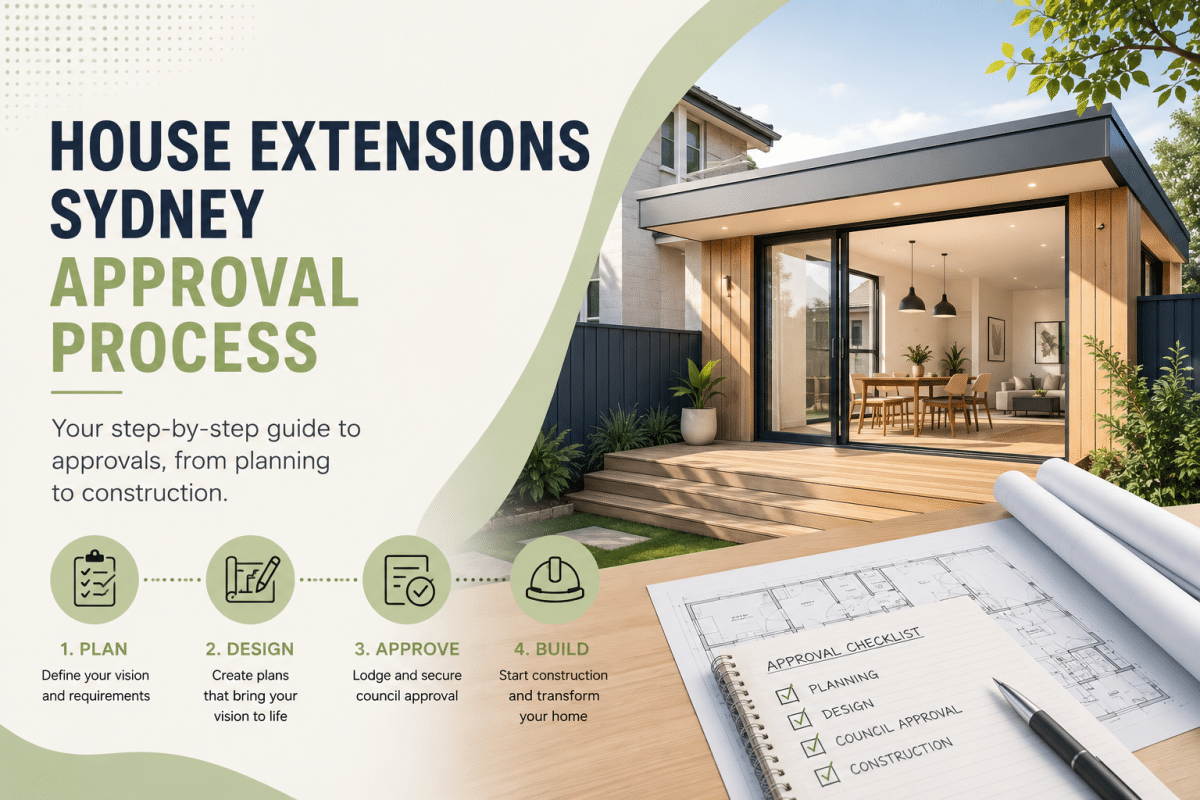
Step 3: Understand Council Regulations

Building a first floor often requires approval from the local council.

Depending on the project, you may need:

  • Development approval (DA)
  • Complying with development certificates (CDC)
  • Building permits

These approvals ensure the project meets zoning rules, height restrictions, and building standards.

Working with experienced professionals helps ensure the design complies with local planning requirements.

Step 4: Work with an Experienced Design and Build Team

Second-storey additions are complex projects that involve architectural design, engineering, and construction expertise.

A design-and-build team can help manage the entire process, including:

  • Concept design and planning
  • Structural assessments
  • Council approvals
  • Construction and project management

At Extend A Home, we guide homeowners through every stage of the extension process to ensure the project runs smoothly.

Stp 5: Plan Your Budget Carefully

Adding a first floor is a significant investment, so budgeting is an important part of the planning process.

Costs will depend on factors such as:

  • Size of the extension
  • Structural modifications required
  • Materials and finishes
  • Design complexity

Setting a realistic budget and including contingency funds can help avoid unexpected delays.

Common Design Ideas for First Floor Extensions

Second-storey additions offer opportunities to transform a home’s layout and functionality.

Some popular design ideas include:

Master Bedroom Suites

Many homeowners choose to dedicate the upper level to a spacious main suite with an ensuite bathroom and walk-in wardrobe.

Separate Living Areas

Creating an upstairs lounge or retreat can provide a quiet space separate from the main living areas.

Home Office Spaces

With remote and hybrid work becoming more common, dedicated office spaces have become an important feature in modern homes.

Additional Bedrooms

Adding multiple bedrooms upstairs can help accommodate growing families while maintaining living areas on the ground floor.

Minimising Disruption During Construction

Homeowners often worry about how construction will affect daily life.

While second-storey additions are complex projects, experienced builders can minimise disruption by:

  • Planning construction phases carefully
  • Protecting existing living spaces
  • Maintaining safe access to the home
  • Communicating regularly about project timelines

Proper planning helps ensure the renovation process remains manageable.

How Extend A Home Can Help

At Extend A Home, we specialise in designing and building home extensions that maximise space while maintaining architectural harmony with the existing property.

Our team supports homeowners through the entire process, including:

  • Initial design consultation
  • Structural planning and approvals
  • Construction and project management
  • Quality craftsmanship and finishing

By combining design expertise with construction experience, we help homeowners turn their vision for a larger home into reality.

Final Thoughts

Adding a first floor to your home can be one of the most effective ways to increase space, improve functionality, and enhance property value.

While the process may seem complex at first, careful planning and professional guidance can make the journey far more manageable.

From evaluating structural feasibility to designing practical layouts, every step contributes to creating a successful second-storey extension.

At Extend A Home, we help homeowners navigate the entire process and build extensions that support modern family living.

FAQs

How long does it take to add a first floor to a house?

The timeline depends on the project’s complexity, but second-storey additions often take several months from design approval to construction completion.

Is it cheaper to add a first floor or move to a bigger house?

In many cases, adding a first floor can be more cost-effective than moving because it avoids expenses such as stamp duty, real estate commissions, and relocation costs.

Can every home support a second-storey extension?

Not all homes are structurally suitable for a second-storey addition. A structural assessment is required to determine whether modifications are needed.

Do I need council approval for a second-storey extension?

Yes, most first-floor additions require development approval or other permits, depending on local regulations.

Will a second-storey extension increase property value?

A well-designed second-storey addition can increase property value by adding bedrooms, living space, and modern functionality.

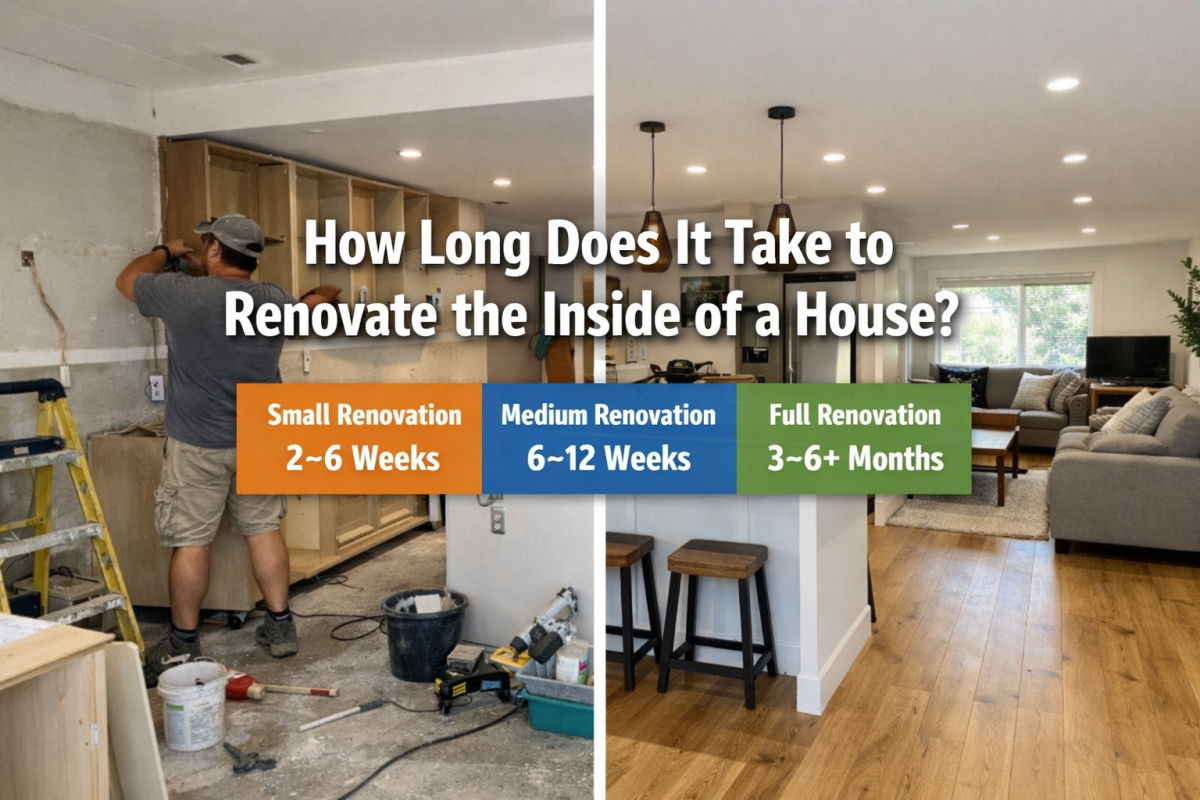
How Long Does It Take to Renovate the Inside of a House?

Before beginning a remodel, one of the most common homeowner questions is “How long will it take?

Knowing realistic timetables is crucial if you intend to remodel the interior of your home, whether it’s a kitchen makeover, bathroom renovation, or a whole makeover. Depending on the extent of the work, the condition of the house, and the quality of the project’s planning, house renovation timelines can vary significantly.

We have assisted homeowners with hundreds of interior improvements at Extend A Home. In this tutorial, we’ll break down how long interior renovations typically take, what factors affect the timeframe, and how you can avoid delays.

The Short Answer: How Long Do Interior Renovations Take?

There’s no one-size-fits-all response, but as a general guide:

  • Small interior renovations: 2–6 weeks
  • Medium internal renovations: 6–12 weeks
  • Full internal house renovations: 3–6+ months

Searches like “how long does an internal renovation take” often boil down to scope, complexity, and planning — not just the build itself.

What Counts as an Internal House Renovation?

An internal renovation can include one or more of the following:

  • Kitchen renovations
  • Bathroom renovations
  • Laundry improvements
  • Flooring replacement
  • Internal wall modifications
  • Electrical and plumbing upgrades
  • Painting and finishing
  • Complete reworking of the internal layout

The more trades involved, the longer the renovation timeline.

house renovation timeline

House Renovation Timelines by Project Type

Kitchen Renovation Timeline

A kitchen remodel normally takes 4–8 weeks, depending on the intricacy.

Typical stages include:

  • Demolition: 2–5 days
  • Rough-in plumbing and electrical: 1–2 weeks
  • Cabinet installation: 1 week
  • Benchtops, appliances, finishes: 1–2 weeks

Custom cabinetry or stone benchtops can add time due to manufacturing lead times.

Bathroom Renovation Timeline

Bathroom renovations normally take 3–6 weeks.

Key stages:

  • Demolition and waterproofing: 1 week
  • Plumbing and electrical rough-ins: 1 week
  • Tiling: 1–2 weeks
  • Fit-off and finishing: 1 week

Waterproofing and curing processes cannot be hurried since bathrooms require a lot of attention to detail. 

Flooring Replacement Timeline

Replacing flooring across a house might take 1–3 weeks, depending on:

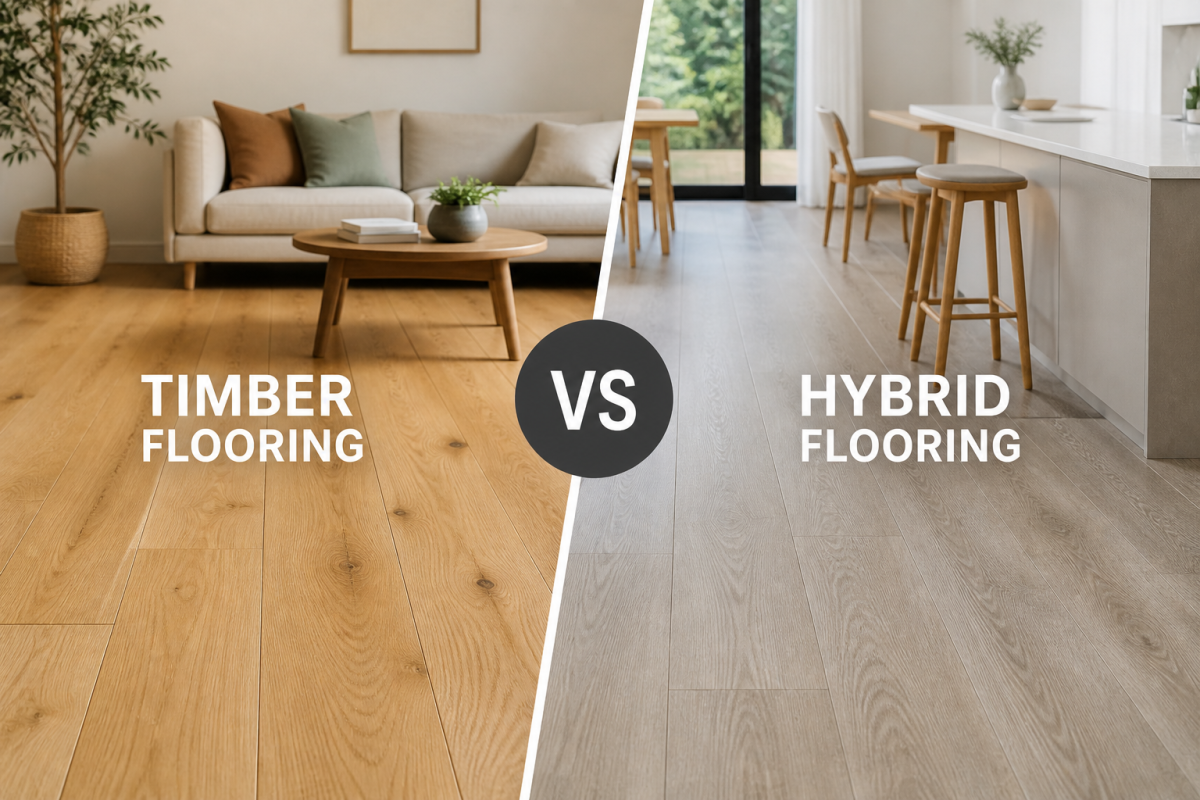
  • Flooring type (carpet, tiles, hybrid, and wood)
  • Floor preparation is necessary.
  • If moving furniture is necessary

Full Internal Renovation Timeline

A full internal house remodelling normally takes 3 to 6 months, occasionally more for intricate projects.

This often includes:

  • Structural changes
  • Multiple wet areas
  • New flooring throughout
  • Electrical and plumbing upgrades
  • Custom joinery

This is where professional project management makes the biggest difference.

What Affects How Long an Interior Renovation Takes?

1. Scope of Work

The biggest factor is how much you’re changing.

  • Cosmetic updates = faster
  • Structural or layout changes = longer

Knocking down walls, relocating pipes, or rewiring an entire property takes significant time. 

2. Planning and Design Phase

The length of pre-construction planning is often underestimated.

Before construction ever starts, design, selections, approvals, and scheduling can take 4 to 8 weeks, but this stage is crucial to preventing delays later.

3. Approvals and Compliance

Approvals are needed for certain internal improvements, particularly if they include:

  • Structural changes
  • Load-bearing walls
  • Fire or safety compliance

At Extend A Home, we factor in approval time into the overall project timetable from the outset.

  1. Availability of Materials

Supply delays are a common cause of renovation blowouts.

Items that can affect timelines include:

  • Custom cabinetry
  • Stone benchtops
  • Imported tiles or fixtures
  • Specialty lighting

Early selections and ordering help keep projects on schedule.

5. Trades and Scheduling

Internal renovations rely on numerous trades operating in the precise sequence.

Poor coordination can add weeks to a project. Professional builders organise trades to reduce downtime and overlap.

6. Living in the Home During Renovation

If you’re living in the house while renovating, timelines may extend slightly due to:

  • Limited work hours
  • Staged construction
  • Safety considerations

We help homeowners plan around this to reduce disruption.

Typical Internal Renovation Stages (And Timeframes)

Here’s a simplified breakdown of a full internal house renovation timeline:

  1. Design & Planning: 4–8 weeks
  2. Demolition: 1–2 weeks
  3. Structural & Rough-In Work: 2–4 weeks
  4. Internal Linings & Flooring: 2–3 weeks
  5. Joinery, Kitchens & Bathrooms: 2–4 weeks
  6. Finishes & Fit-Off: 2–3 weeks

Each stage builds on the last — delays early can flow through the entire project.

Common Causes of Renovation Delays

Some of the most common reasons internal renovations take longer than expected include:

  • Incomplete design decisions
  • Late material selections
  • Unexpected structural issues
  • Budget changes mid-project
  • Poor project management

Choosing an experienced renovation builder significantly reduces these risks.

How Extend A Home Keeps Renovations on Schedule

At Extend A Home, our renovation process is designed to reduce uncertainty and delays.

Our approach includes:

  • Detailed upfront planning
  • Clear project timelines
  • Early material selections
  • Professional trade coordination
  • Regular communication throughout the build

We don’t just build — we manage the entire renovation journey.

Can You Speed Up an Internal Renovation?

While some factors are outside anyone’s control, you can reduce delays by:

  • Finalising design decisions early
  • Choosing readily available materials
  • Working with an experienced renovation builder
  • Avoiding mid-project changes
  • Planning temporary living arrangements if needed

Preparation is the biggest time-saver.

Is a Renovation Timeline Worth It?

While internal renovations require patience, they often deliver significant benefits:

  • Improved functionality
  • Increased property value
  • Better energy efficiency
  • A home that suits your lifestyle

Understanding realistic timelines helps set expectations and reduce stress.

Final Thoughts: Plan Well, Renovate Once

The true answer to the question, “How long does it take to renovate the inside of a house?” is that it depends, but careful preparation is crucial.

With the right contractor, precise timetables, and expert supervision, an interior remodel can be an easy and enjoyable experience.

Talk to Extend A Home

If you’re planning an internal house renovation and want precise timetables and experienced direction, our team is here to help.

Contact Extend A Home right away to discuss your renovation plans and get realistic timetables from experienced professionals.

Renovation Timeline Disclaimer: Timeframes provided are general estimations only. The size of the property, the extent of the work, and unanticipated circumstances can all affect how long renovations take. Larger internal renovations may take longer than usual timelines.

Home Renovation Specialists in Sydney & Suburbs – Extend A Home

When renovating your house, choosing the right builder makes all the difference. From design and planning through to construction and finishes, partnering with experienced home renovation specialists in Sydney ensures your project is delivered efficiently, safely, and to a high standard.

At Extend A Home, we specialise in home renovations in Sydney and nearby suburbs, helping homeowners alter their homes with confidence. Whether you’re remodelling your interior, extending your living areas, or modernising an older house, our team delivers the experience and structure needed to create long-term benefits.

Home Renovation Specialists in Sydney & Suburbs

Why Work With Home Renovation Specialists?

Renovating a home is significantly different from building a new one. Existing structures, municipal requirements, and live-in circumstances necessitate a particular skill set.

Home renovation specialists understand how to:

  • Work within existing homes
  • Manage structural changes safely
  • Navigate approvals and compliance
  • Coordinate multiple trades
  • Minimise disruption to daily life

For this reason, while looking for “renovation specialists Sydney,” homeowners frequently give experience more weight than just cost.

Our Renovation Services Across Sydney

At Extend A Home, we offer a wide range of renovation solutions tailored to Sydney homes.

Internal Home Renovations

You can improve your house without altering its size by doing internal modifications. Typical projects consist of:

  • Kitchen renovations
  • Bathroom renovations
  • Laundry upgrades
  • Flooring and internal reconfiguration
  • Electrical and plumbing upgrades

Our main goals are to enhance long-term liveability, flow, and functionality.

Home Extensions and Structural Renovations

For homeowners needing more space, we provide:

  • Ground floor extensions
  • Second-storey additions
  • Structural reconfigurations
  • Open-plan living conversions

From start to finish, our team oversees construction, approvals, and structural engineering.

Full Home Renovations

Full-house renovations are excellent for older Sydney homes that require thorough modernisation. These projects often involve:

  • Structural upgrades
  • Multiple wet areas
  • New flooring throughout
  • Energy-efficient improvements
  • Modern layouts and finishes

We provide precise timelines and skilled project management throughout.

Renovating Homes Across Sydney & Surrounding Suburbs

Sydney homes vary widely depending on location, age, and construction style. We work across:

Local knowledge allows us to account for:

  • Council approval requirements
  • Heritage considerations
  • Site access limitations
  • Older construction methods

This experience helps reduce delays and unexpected issues.

Our Renovation Process

We follow an organised, transparent process to provide clarity at every point.

1. Initial Consultation

We discuss your goals, budget, timeframe, and feasibility.

2. Design & Planning

We assist with design, selections, approvals, and scheduling.

3. Construction

Our certified builders and reputable professionals conduct the makeover with careful coordination.

4. Completion & Handover

We conduct final inspections and guarantee all work satisfies quality and compliance standards.

What Sets Extend A Home Apart?

Homeowners choose Extend A Home because we combine specialist renovation expertise with clear communication and professional project delivery.

Why clients trust us:

  • Experienced home renovation specialists
  • Fully licensed and insured
  • Transparent timelines and cost clarity
  • Strong local Sydney knowledge
  • End-to-end project management

We don’t just remodel houses; we also help homeowners enhance their lives.

Common Questions Homeowners Ask

How long does it take to renovate a house?

Although timelines vary by scope, we manage expectations throughout the project and provide reasonable estimates up front.

Can we live in the house during renovation?

Yes, in many situations. We schedule work stages to reduce interruptions where possible.

Do you manage approvals?

Yes – we advise clients through approvals and compliance procedures as part of our service.

Why Planning Matters in Sydney Renovations

Sydney renovations often involve:

  • Tight access
  • Council requirements
  • Older building structures
  • Neighbour considerations

Specialist planning reduces delays, budget overruns, and stress.

Is a Home Renovation Worth It?

A professionally managed renovation can:

  • Increase property value
  • Improve functionality
  • Enhance energy efficiency
  • Adapt your home to changing needs

Working with renovation specialists ensures the investment is protected.

Final Thoughts

If you’re searching for home renovation specialists in Sydney & suburbs, experience matters. A well-managed remodel should feel controlled, open, and satisfying – not overpowering.

Our goal at Extend A Home is to provide long-lasting, superior renovations.

Speak to Extend A Home

Our skilled staff is here to assist you with any home improvement plans you may have in Sydney or the nearby regions.

To discuss your renovation project and receive professional advice from reliable experts, get in touch with Extend A Home right now.

How Much Does a Home Renovation Cost in Sydney? (2026 Guide)

Most Sydney homeowners beginning a renovation journey ask:

“What is the cost of renovation?”

This question is getting more complicated every year. Although the building industry changes every year, with regulations, design expectations, and property conditions across Sydney evolving, renovation costs honestly differ from home to home.

At Extend A Home, we enjoy working with clients who, before entering into a renovation, want to know what is feasible. Rather than working with some of the more arbitrary numbers one might come across on the internet, we like to focus on the critical renovation cost drivers, the details of the planning process, and the formula to mitigate the risk of surprises.

This guide provides context on the drivers of renovation costs in Sydney, key budget considerations, and tips for navigating your projects with the most tremendous confidence.

How Much Does a Home Renovation Cost in Sydney

Why There Is No One-Size-Fits-All Renovation Cost in Sydney

When searching for data on renovations, many homeowners want to know what the “average renovation cost in Sydney” is, but in reality, averages can be quite misleading.

The costs of renovations can depend on a wide variety of factors, including:

  • The type of renovation
  • The condition of the existing home
  • The level of design and finish
  • Structural complexity
  • Approval requirements
  • Site access and location

Given these factors, two homes of comparable sizes can look and budget renovations very differently.

Types of Home Renovations and Their Cost Impact

Cosmetic Renovations

Cosmetic renovations focus on improving a home’s appearance without altering its structure. These typically include:

  • Painting
  • New flooring
  • Updated lighting
  • New fixtures and fittings
  • Minor kitchen or bathroom updates

Cosmetic renovations target a home’s aesthetics with minimal/no impact on its look and feel; thus, with no major construction involved, planning and management are also less complicated.

Partial or Mid-Scale Renovations

These renovations go beyond surface-level updates and may include:

  • Kitchen and bathroom upgrades
  • Internal layout improvements
  • Updated electrical and plumbing systems
  • New windows or doors
  • Improved insulation and energy efficiency

This level of renovation is common in older Sydney homes that need modernisation to suit contemporary living.

Full Home Renovations

A complete home renovation typically involves:

  • Structural changes
  • Reconfiguring floor plans
  • Multiple rooms are being renovated at once
  • Major service upgrades
  • Coordinated design across the entire home

At Extend A Home, homeowners often choose complete renovations to significantly improve how their home functions rather than make incremental changes.

Key Factors That Influence Renovation Costs in Sydney

Age and Condition of the Home

Older Sydney homes often come with hidden challenges such as:

  • Outdated wiring or plumbing
  • Structural wear
  • Non-compliant building elements
  • Asbestos or other legacy materials

Addressing these issues is essential for safety and compliance and can influence the overall scope of work.

Structural Changes and Complexity

Removing walls, altering rooflines, or changing the home’s footprint requires:

  • Engineering input
  • Additional approvals
  • More detailed construction work

The more complex the structural changes, the more planning and coordination are required.

Design Choices and Level of Finish

The level of finish you choose plays a major role in the outcome. Decisions around:

  • Joinery
  • Flooring materials
  • Fixtures and fittings
  • Appliances
  • Custom versus standard solutions

…all influence the scale and complexity of the renovation.

Council Approvals and Compliance

In Sydney, some renovations require:

Approval pathways affect timelines, documentation requirements, and overall project planning. Homes in established suburbs often require more detailed compliance considerations.

Hidden Factors Homeowners Often Overlook

Many renovation budgets fail to account for indirect costs and project considerations, such as:

  • Design and documentation
  • Engineering and consultant reports
  • Council and inspection requirements
  • Temporary living arrangements
  • Allowances for unforeseen site conditions

At Extend A Home, we always encourage homeowners to plan with a buffer so the project remains manageable even if unexpected issues arise.

Renovating vs Moving in Sydney

For many homeowners, renovation is considered an alternative to moving.

When comparing options, it’s important to look beyond surface costs. Moving often involves:

  • Stamp duty
  • Agent commissions
  • Legal fees
  • Moving costs
  • Compromises on location or layout

Renovating allows homeowners to:

  • Stay in the area they love
  • Improve a known property
  • Tailor the home to their lifestyle
  • Avoid many relocation-related expenses

This is why more Sydney homeowners are choosing to renovate rather than upgrade through purchase.

Planning a Renovation Budget the Right Way

Instead of focusing on a single number, we recommend homeowners focus on:

  • Clearly defining their renovation goals
  • Understanding which changes are essential
  • Prioritising functionality over trends
  • Allowing flexibility in design choices
  • Planning for long-term use of the home

A well-thought-out plan is often more valuable than chasing an unrealistic budget figure.

Why Experience Matters When Estimating Renovation Scope

Accurate renovation planning requires experience with:

  • Sydney housing styles
  • Local council requirements
  • Older building conditions
  • Construction sequencing

At Extend A Home, we help homeowners understand what is achievable within their goals and constraints, based on real-world experience rather than generic assumptions.

Our role is to provide clarity early, so there are no surprises later.

Renovating in Sydney in 2026: What Homeowners Should Know

In 2026, successful renovations are defined by:

  • Thorough planning
  • Clear communication
  • Realistic expectations
  • Professional guidance

Homeowners who invest time in understanding the process often achieve better outcomes — both functionally and financially.

Final Thoughts: Understanding Renovation Costs Without Guesswork

What do you estimate is the cost of a home renovation in Sydney in 2026?

Rather than relying on broad figures, the better question is:

“What will it take to achieve the outcome I want in my home?”

Answering this question will require analysing each aspect of the unique renovations needed. The more homeowners understand the factors, the more likely they are to complete the renovations.

Why More Homeowners in the Hills District Are Choosing Complete Home Renovations Instead of Moving

Many families in the Hills District are no longer asking themselves, “Should we move?” but rather, “Should we renovate instead?

With property prices still strong in suburbs such as Castle Hill, Baulkham Hills, Kellyville, Bella Vista, and Rouse Hill, more and more homeowners are deciding that complete home renovations are a more innovative, more practical alternative to moving.

At Extend A Home, we’ve witnessed many more Hills District homeowners choosing to transform their existing homes rather than uproot their families. In this blog, we discuss the reasons complete home renovations are now the most preferred option, the factors contributing to this trend, and the positive impacts of renovating on families’ living and commuting arrangements.

Home Renovation in Hills District Sydney

The Changing Property Landscape in the Hills District

The Hills District has always been one of the most attractive areas of Sydney. Well-established infrastructure, good schools, welcoming communities, and further expansion have consistently driven rising property prices and a diminishing supply of available housing.

In the case of many potential movers, the upgrade to a bigger or newer home entails:

  • Expensive purchase costs
  • Greater amounts of stamp duty payable
  • More ruthless competition from buyers
  • Less choice in the marketplace

This of course means that, in the current climate, moving has now become a much more complex issue.

Why Moving Is Becoming Less Appealing

Most homeowners in the Hills District begin their searches by inputting phrases like “bigger house Hills District“ or “upgrade home Castle Hill.“ It does not take long, however, before one learns of all the hidden costs associated with relocating.

These often include:

  • Stamp duty
  • Agent commissions
  • Legal and conveyancing fees
  • Moving expenses
  • Renovation costs in the new home
  • Compromises on location or block size

Families who have already settled on established streets with generous land sizes face high financial costs, as there is less space in the future.

Why Complete Home Renovations Are on the Rise

Instead of moving, homeowners are increasingly asking:
“Can we make our current home work better for us?”

The answer, in many cases, is yes.

Complete home renovations allow families to:

  • Redesign outdated layouts
  • Add space without leaving their suburb
  • Improve energy efficiency
  • Modernise kitchens, bathrooms, and living areas
  • Increase long-term property value

At Extend A Home, we help homeowners reimagine what their home could be — not just what it currently is.

Staying in the Hills District You Love

One of the biggest drivers behind complete home renovations is the desire to stay connected to the local community.

Homeowners in the Hills District often have:

  • Children settled in local schools
  • Established friendships and support networks
  • Proximity to work, transport, and amenities
  • Emotional attachment to their home and neighbourhood

Renovating allows families to keep everything they love about their location, while upgrading the home itself to suit their evolving needs.

Renovating for Growing Families

A common search we see is “renovation for growing family, Hills District” — and it reflects a real need.

Many homes built decades ago were not designed for:

  • Open-plan living
  • Working from home
  • Multiple living zones
  • Larger kitchens and storage needs

Complete home renovations allow homeowners to:

  • Reconfigure internal layouts
  • Add bedrooms or bathrooms
  • Create home offices or multi-purpose spaces
  • Improve flow between indoor and outdoor areas

Rather than relocating to a different suburb, families can adapt their current home to match modern lifestyles.

The Financial Case for Renovating Instead of Moving

Complete home renovations often deliver better value than upgrading through purchase.

Renovating can:

  • Eliminate stamp duty and selling costs
  • Improve property value significantly
  • Allow staged upgrades over time
  • Deliver a customised result rather than a compromise

In many Hills District suburbs, adding modern living space through a renovation can substantially increase resale appeal — particularly where land is already highly valued.

Customisation vs Compromise

When buying a new home, compromise is almost inevitable:

  • The layout may not suit your lifestyle
  • Renovations may still be required
  • Block size or orientation may be less ideal
  • Location may not be as convenient

With a complete home renovation, homeowners gain:

  • Complete design control
  • Tailored solutions for their family
  • The ability to prioritise what matters most

At Extend A Home, we work closely with clients to ensure their renovation reflects how they actually live, not a generic design.

Modernising Older Homes in the Hills District

Many homes in the Hills District were built 20–40 years ago and now show signs of:

  • Outdated layouts
  • Insufficient natural light
  • Poor energy efficiency
  • Worn finishes and fixtures

A complete home renovation provides the opportunity to:

  • Upgrade insulation and glazing
  • Improve ventilation and lighting
  • Modernise interiors while retaining character
  • Enhance sustainability and comfort

This not only improves day-to-day living but also future-proofs the home.

Renovating for Long-Term Living and Ageing in Place

Another growing trend is homeowners renovating with the future in mind.

Rather than moving later, many families choose to:

  • Add ground-floor bedrooms or bathrooms
  • Improve accessibility
  • Reduce ongoing maintenance
  • Create flexible spaces for changing needs

A well-planned renovation can allow homeowners to stay in their Hills District home for decades to come, regardless of how their lifestyle changes.

Avoiding the Stress of Moving

Moving homes is often far more disruptive than expected. It can involve:

  • Months of inspections and negotiations
  • Temporary accommodation
  • Emotional stress for families and children
  • Uncertainty around timelines and outcomes

While renovations come with their own challenges, many homeowners prefer the certainty of improving a known property rather than navigating the unpredictability of the property market.

Why Experience Matters in Complete Home Renovations

Complete home renovations are complex. They require:

  • Thoughtful design
  • Structural understanding
  • Council and compliance knowledge
  • Clear project management

At Extend A Home, we specialise in complete home renovations and extensions in Hills District. Our experience working with local homes, councils, and site conditions allows us to guide clients through the renovation process with confidence and clarity.

We focus on:

  • Practical design solutions
  • Quality workmanship
  • Transparent communication
  • Renovations that genuinely improve how homes function

Final Thoughts: Renovating Instead of Moving in the Hills District

For most homeowners in the Hills District, large-scale renovations can be described as the best of both worlds:

  • Remaining in the exact location they love.
  • Building a home that fits their lifestyle.

With rising property prices and the growing difficulty of finding a suitable home, renovating your home is no longer a fallback option but a strategic, progressive decision.

At Extend A Home, we are firm believers that with the proper planning and skills, your current home can be transformed into exactly what you need, without the expense, stress, and compromises that come with relocating.

5 Renovation Tips For First Home Buyers

It’s exciting to buy your first home, but for many new homeowners, that’s just the beginning. Renovations are often needed to make older homes, budget-friendly properties, or homes that need updates more comfortable and valuable. If you’re a first-time buyer, renovating can be overwhelming, especially when you have to keep track of your budget, timeline, and design choices. Extend A Home has compiled five essential home renovation tips every first-time home buyer should know before starting their project. These tips will help you make wise, confident choices.

First Home Buyers

1. Make a Clear Plan and a Budget That You Can Stick To

Careful planning is the first step in the most successful renovations. First-time homebuyers often want to start painting, tearing up carpets, or knocking down walls right away, but having a clear plan can help you avoid making expensive mistakes and make sure that every change fits with your long-term goals.

Start by figuring out what is most important to you. Figure out which parts of your home need immediate attention, like plumbing, electrical systems, or structural repairs, and which upgrades can wait. Always put safety and usefulness ahead of cosmetic changes.

Next, make a budget that is realistic. Renovations often cost more than planned because older homes have hidden problems. That’s why it’s a good idea to set aside an extra 10–20% as a backup fund. A structured budget helps you keep your finances in order and lets you plan your renovation in small steps if needed.

2. Focus on Renovations That Add Long-Term Value

It’s easy to want to make small changes to your home that make it look better right away, but first-time home buyers should focus on improvements that will increase the home’s value over time. Not only do strategic renovations improve your quality of life, but they also make your property more valuable when you sell it.

High-value areas to consider include:

  • Modernising the kitchen with improved layout and appliances
  • Updating bathrooms with quality fixtures and better storage
  • Adding living space through extensions or second-storey additions
  • Opening closed-off rooms to create a more spacious, modern layout
  • Enhancing outdoor living areas to improve usability

Renovations like these make your home much more comfortable and valuable. Extend A Home is an expert in significant areas, like adding to or extending your home’s structure, that make the most of the space and ensure your home grows with your needs.

3. Know When DIY Is Fine—and When It Isn’t

Many people buying their first home try to save money by doing the renovations themselves. Doing things yourself can save you money on simple tasks, but it’s essential to know when it’s not a good idea. If you try to do complicated work without the right skills, you could end up with costly repairs, safety risks, or failed certifications in the future.

You should always hire a licensed professional to do electrical work, plumbing, structural changes, roofing, and waterproofing. These areas must follow the rules, and poor work can cause significant damage or render insurance coverage useless.

Cosmetic changes, on the other hand, are significant for your own well-being. You can personalise your space without taking too many risks by painting the walls, putting up simple shelves, landscaping, or changing the door handles. The most important thing is understanding which projects are safe to DIY and which require professional expertise. For complicated renovations, trust professionals like Extend A Home to do secure, legal, and high-quality work.

4. Understand Council Approvals and Building Regulations

One of the hardest things for first-time home buyers is figuring out how to obtain council approvals and comply with building codes. A lot of people don’t know that some home renovations need to be approved by the law, especially those that involve adding on to the house, changing its structure, or making big changes to its layout.

Projects that typically require council approval include:

  • Extensions and additions
  • Major structural changes
  • New decks or outdoor structures
  • Converting internal spaces into bedrooms or bathrooms
  • Changing plumbing locations

It’s important to understand this process because renovating without permission could lead to fines, delays, or having to take down the new work. Extend A Home has worked with councils all over Sydney for a long time and can help you with planning proposals, approvals, and certifications. This will ensure your renovation goes smoothly and legally.

5. Renovate for Functionality and Lifestyle, Not Just Style

A beautifully renovated home is great, but if it doesn’t fit with your lifestyle, it won’t be comfortable or valuable in the long run. Think about how you live every day and how your space can better serve you before making design choices.

Ask yourself questions such as:

  • Do I need more storage?
  • Does the kitchen layout suit my cooking habits?
  • Is the bathroom functional for my family?
  • Will open-plan living work long-term?
  • Do I plan to expand my family in the future?

These questions help you plan renovations that will improve both the look and the function of your home. Not just what’s popular right now, but also how you live should be reflected in good design. Extend A Home works closely with homeowners to develop renovation plans that are beautiful, functional, and help the home grow in the future.

Choose a Trustworthy Renovation Partner

Renovating your first home is a big deal. Having the right team with you can make all the difference. A professional home renovation company will help you plan, obtain the necessary approvals, design, and build your project, ensuring everything is done safely and correctly.

Extend A Home offers:

  • Over 40 years of renovation expertise
  • Full design-to-construction services
  • Transparent and accurate quoting
  • Reliable project management
  • High-quality workmanship backed by industry standards

When you hire a reliable renovation expert, you can relax and know that your project will go smoothly from start to finish.

Final Thoughts

Renovating your first home is a great way to improve your space, increase its value, and make it feel like your own. You can get a renovation that enhances your lifestyle and your investment by planning, focusing on the most important changes, avoiding risky DIY work, knowing what approvals you need, and designing with functionality in mind.

Extend A Home is here to help first-time home buyers with expert advice, custom solutions, and high-quality construction. Our team is ready to make your dream come true, whether you want to add on to your home, build a second story, or completely renovate it.

Top 10 Reasons to Choose Renovations Services of Extend A Home

One of the best things you can do for your home is to renovate it. It’s essential to choose the right renovation expert if you want to add more space to your home, update old rooms, make things work better, or raise the value of your property. A bad renovation can cause structural problems, expensive repairs, and regret, but the right home renovation partner can make your home look great and work well.

With our professional knowledge, smooth project management, and dedication to quality craftsmanship, we have helped many homeowners make their renovation dreams come true at Extend A Home. Here are the top ten reasons why Extend A Home should be your trusted choice if you’re thinking about remodelling your home.

Major Renovation Burwood 10 2

1. More than 40 Years of Experience in Renovations

Experience is vital in the renovation business, and Extend A Home brings years of real-world experience to every job. Our team has over 40 years of experience in building and has successfully finished hundreds of home extensions, second-storey additions, kitchen upgrades, bathroom remodels, and complete home renovations. This long-standing knowledge ensures that your renovation is done with care, accuracy, and technical excellence, so it lasts.

2. Experts in Adding a Second Storey or Extending A Home

One of the best things about choosing Extend A Home is that we are experts at making big changes to buildings, especially adding a second floor or extending the ground floor. To make sure that these kinds of renovations are safe, legal, and structurally sound, they need a lot of engineering, council knowledge, and expert planning. Our team takes care of all the details, from design and drafting to getting approvals and building, so homeowners don’t have to worry about anything.

3. Complete Design-to-Construction Service

When you have to work with more than one company for design, drafting, engineering, and building, renovations can be too much to handle. Extend A Home solves this problem by providing a complete renovation service from start to finish.

This includes:

  • Initial consultation and concept development
  • Architectural design and 3D planning
  • Engineering and structural documentation
  • Council approvals and certifications
  • Complete construction and project completion

You have a smooth, organised, and efficient renovation journey when everything is taken care of in one place.

4. Clear and Detailed Quotes

Home improvements can be expensive, and one of the biggest fears of homeowners is that their budget will go overboard. Extend A Home stops this by giving clear, detailed, and accurate quotes from the start.

We take the time to visit your site, understand your vision, and assess the structural needs to ensure you get a proposal that makes sense. No hidden fees or vague allowances, just honest prices that keep your budget safe and set clear expectations.

5. Great Quality and Craftsmanship

To achieve long-lasting results, renovations need to be done with care, skill, and high-quality materials. Extend A Home is dedicated to providing excellent work at every stage of the building process. Our construction team adheres to strict quality standards, complies with Australian building codes, and uses high-quality materials that are designed to last.

Every detail, from a new living room to a modern bathroom to an entire second floor, is built with care and skill that make your home more beautiful and valuable.

6. Stress-Free Project Management

Managing a renovation project means ensuring that all trades are on the same page, that timelines are set, that approvals are obtained, and that everything stays on track. Extend A Home addresses this problem by managing the project from start to finish.

Your project manager will be in charge of all trades, ensure everything is delivered to a high standard, monitor deadlines, and keep you updated. This keeps stress to a minimum, avoids delays, and makes sure your renovation goes as planned.

7. Strong Understanding of Local Council Requirements

Home renovations, especially adding on to a house or building a second storey, often require a thorough understanding of local building codes, zoning rules, and how to obtain council approval. Extend A Home’s team has extensive experience navigating council rules in Sydney and the surrounding areas.

We handle:

This knowledge ensures your renovation is approved quickly and built to council standards, keeping costs down and avoiding delays.

8. Tailored Designs That Suit Your Home and Lifestyle

Extend A Home never uses a one-size-fits-all approach because every family and property is different. We work closely with you to learn about your lifestyle, tastes, and long-term goals.

We create custom designs that fit with your current structure, make the most of the space you have, let in more natural light, and improve how your home flows. Our custom solutions ensure your renovation feels like it has always been there, whether you need more bedrooms, a bigger kitchen, a modern open-plan layout, or more storage.

9. Commitment to Customer Satisfaction

At Extend A Home, customer satisfaction is our main priority. We have built our reputation over the years by being honest, dependable, doing good work, and providing excellent service. Open and honest communication is important throughout the renovation process, so homeowners always know what’s going on and feel in charge.

The number of repeated customers and referrals we get, shows how committed we are in doing excellent renovations that really change homes.

10. A History of Successful Renovations

Extend A Home has a long list of successful renovation projects in Sydney. We have completed home makeovers, including adding a second storey, turning a garage into a living space, creating an outdoor living space, and making structural improvements. This track record gives homeowners peace of mind that their renovation will be done by a skilled, trustworthy, and well-respected team.

Bonus Reason: Renovations That Add Real Value to Your Property

One of the best ways to increase your property’s value is to undertake a well-planned renovation. Extend A Home ensures that every project improves your home’s comfort, functionality, and appearance while also increasing its market value. Our careful design and expert construction add long-term value that helps you financially and practically, whether you’re growing your family or getting ready to sell.

Why Should You Choose “Extend A Home” for Your Renovation?

Extend A Home is one of Sydney’s most trusted renovation experts. They have been in business for decades, offer a wide range of services, have proven expertise, and put their customers’ needs first. We take your renovation ideas and turn them into beautiful spaces that will improve your life and your investment for years to come.

Our team is ready to help you at every step of the process, whether you’re considering adding a second floor, extending the ground floor, or completely renovating your home.

Final Thoughts

Picking the right home renovation company is important to ensure the job goes smoothly and turns out well. As a homeowner seeking reliable, professional renovation solutions, Extend A Home is the best choice because we offer the right mix of experience, skill, openness, and personalised service.

Extend A Home can help you make your next home improvement project a reality.

Major vs Minor House Renovations in Sydney: The Key Differences

If you want to change your home, it’s essential to know the difference between major and minor house renovations. This is especially true for homeowners in Sydney who want to renovate their homes, as rules, lifestyle needs, and property values vary widely across the region. Knowing what type of renovation you’re doing, whether it’s just one room or the whole house, will help you budget correctly, follow local rules, and make the entire process go more smoothly.

Homeowners in Sydney can explore all their renovation options at Extend A Home, a trusted expert in home improvements. These options include: Major and Minor House Renovations.

This complete guide explains everything you need to know about major and minor house renovations in Sydney, including what they are, how much they cost, how long they take, the approvals you need, and how to choose the best approach to improve your home.

Major vs Minor House Renovations

What Are House Renovations in Sydney?

Before we get into the difference, it’s essential to know what House Renovations in Sydney mean in general. Renovations across the city often show how architecturally different the suburbs are. For example, there are federation homes in the Inner West and modern waterfront properties in the Northern Beaches. People may want to renovate their homes to improve their quality of life, make room for a growing family, invest in real estate, or bring old homes up to date.

Local councils and planning rules in New South Wales often affect how renovations are carried out, especially in older homes or homes in conservation areas. This is why it’s so important to know the different types of renovation work so you don’t have to wait longer than necessary.

Minor House Renovations: What They Include

Minor house renovations are usually small changes that make your home look better, work better, or feel better without changing the structure or layout. 

Even though they are “minor,” these changes can have a big effect on how your home looks and works. They are also quicker to finish and usually cost less.

Common Examples of Minor House Renovations

  • Bathroom facelift (tiles, tapware, vanity replacement)
  • Kitchen upgrades without layout changes
  • Painting and interior resurfacing
  • Lighting improvements and electrical upgrades
  • Flooring replacements
  • Window and door replacement
  • Outdoor deck restoration or small pergola installation
  • Built-in wardrobe installation
  • Minor landscaping and outdoor improvements
  • Updating fixtures, cabinetry, and finishes

These renovations improve your home’s day-to-day usability without altering the building’s footprint.

Do Minor House Renovations Require Approval in Sydney?

Most Minor House Renovations fall under Exempt Development in NSW, meaning no council approval is required—as long as they meet certain criteria.

Examples that usually do not require approval include:

  • Internal cosmetic changes
  • Replacing doors or windows of the same size
  • Minor non-structural repairs
  • Kitchen and bathroom upgrades without plumbing relocation

However, your project may require approval if:

  • You live in a heritage-listed or conservation area
  • You’re altering structural elements
  • The renovation impacts fire or safety standards

This is why consulting a professional renovation company is essential before starting work.

Benefits of Minor House Renovations

1. Faster Completion

Minor projects are often completed in days or weeks rather than months.

2. More Affordable

They generally involve lower labour and material costs.

3. Minimal Disruption

Most minor renovations allow you to live in your home while the work is completed.

4. High Return on Investment

Small changes such as updated kitchens or bathrooms can significantly boost property value in Sydney’s competitive real estate market.

5. Ideal for Modernising Older Homes

Older homes benefit immensely from cosmetic upgrades that revitalise spaces without extensive construction.

Major House Renovations: What They Include

On the other hand, major house renovations involve significant changes to a home’s structure, space, or function. These changes can change the whole layout, add more floor space, or completely modernise the building. 

Major house renovations usually need a professional builder, council approval, licensed tradespeople, and a well-planned project timeline.

Common Examples of Major House Renovations

  • Home extensions (ground floor or second storey)
  • Removing or altering structural walls
  • Reconfiguring the floor plan
  • Adding new rooms or converting unused spaces (attic, garage)
  • Complete kitchen renovations involving plumbing and layout changes
  • Full bathroom reconstruction
  • Large outdoor entertainment areas
  • Roof replacements or major restorations
  • House re-stumping or foundation repairs
  • Adding an extra bathroom or ensuite

Major House Renovations can dramatically improve the way you live and add substantial long-term value to your property.

Do Major House Renovations Require Approval in Sydney?

Yes—Major House Renovations almost always require:

  • Council DA approval, or
  • A Complying Development Certificate (CDC)

These approvals ensure that the renovation meets NSW building codes, environmental requirements, and structural standards.

Projects requiring approval include:

  • Structural alterations
  • Extensions
  • Changing internal layout
  • External changes visible from the street
  • Additions impacting stormwater drainage or neighbouring properties

Professional enovation companies in Sydney, like Extend A Home, guide you through approvals, engineering, and architectural requirements to avoid costly mistakes.

Benefits of Major House Renovations

1. Increase Living Space

Whether you need more bedrooms, a larger kitchen, or a new living area, major renovations let you expand without moving.

2. Boost Property Value

Major House Renovations significantly increase resale value—ideal for long-term investments.

3. Customise Your Lifestyle

Tailor your home to modern living needs: open-plan layouts, home offices, entertainment areas, and multi-purpose rooms.

4. Modernise Old or Outdated Homes

Sydney has many older properties needing electrical rewiring, plumbing upgrades, insulation, and structural repairs—best accomplished during major renovations.

5. Improve Sustainability

You can incorporate energy-efficient features such as:

  • Solar panels
  • Double-glazed windows
  • Improved insulation
  • Water-saving systems

These upgrades reduce long-term energy costs.

Comparing Major vs Minor House Renovations

1. Scope of Work

  • Minor House Renovations: Cosmetic or small functional upgrades
  • Major House Renovations: Structural, spatial, and large-scale transformations

2. Cost Differences

  • Minor: Lower cost, predictable budget
  • Major: Higher cost due to labour, permits, materials, engineering

3. Timeframes

  • Minor: Days to weeks
  • Major: Several months depending on complexity

4. Approvals

  • Minor: Often exempt
  • Major: DA or CDC approval almost always needed

5. Impact on Your Home

  • Minor: Little disruption
  • Major: May require temporary relocation

6. Value Added

  • Minor: Good ROI with low investment
  • Major: Significant long-term value and improved resale potential

Choosing Between Major House Renovations and Minor House Renovations

When deciding which renovation is right for your home in Sydney, consider the following factors:

1. Your Long-Term Goals

Are you planning to live in the property long-term, or preparing to sell?

  • Selling soon: Minor House Renovations may be ideal.
  • Staying long-term: Major House Renovations offer the best lifestyle upgrade.

2. Your Budget

Minor projects suit tighter budgets, whereas major renovations require investment.

3. Structural Condition of the Home

Older Sydney homes often need more than cosmetic updates.

4. Space Requirements

Growing families usually require Major House Renovations such as extensions or extra rooms.

5. Return on Investment

Both renovation types offer ROI, but at different scales.

House Renovations in Sydney: Market Trends & Considerations

Sydney’s property market is unique, and this influences renovation decisions. Here’s what many homeowners consider today:

1. Space Optimisation

With rising property prices, more families extend or renovate rather than move.

2. Energy Efficiency

Sustainability upgrades are becoming a top priority, especially in Major House Renovations.

3. Open-Plan Living

Sydney homeowners favour open layouts—often requiring structural changes.

4. Remote Work

More house renovations include:

  • Home offices
  • Study nooks
  • Multi-functional rooms

5. Outdoor Living

Sydney’s climate supports outdoor extensions, alfresco kitchens, and decks—often part of both Major and Minor House Renovations.

Why Work With a Professional Renovation Company?

Whether planning Major House Renovations or Minor House Renovations, professional expertise ensures a smooth, stress-free process. DIY may seem tempting, but many projects—especially structural ones—require licensed builders.

Benefits of Hiring Professionals

  • Accurate budgeting
  • Faster turnaround
  • Compliance with Sydney building laws
  • Access to skilled trades
  • Engineering & architectural expertise
  • Project management
  • Long-term quality assurance

A trusted company like Extend A Home offers end-to-end renovation solutions. Learn more here: Visit Extend A Home

How Extend A Home Helps With Major and Minor House Renovations

Extend A Home is one of Sydney’s most reputable renovation and home extension specialists, offering complete services including:

  • Design & concept planning
  • Council approvals
  • Engineering
  • Extensions & major renovations
  • Internal reconfigurations
  • Project management
  • Compliance & safety assurance

If you’re ready to discuss your renovation ideas or get expert guidance, reach out here: Contact Extend A Home

Conclusion

When planning house renovations in Sydney, it’s essential to know the difference between major and minor renovations. Each type of renovation has its own benefits. Minor renovations are excellent for quick upgrades, aesthetic refreshes, and budget-friendly improvements.

Major renovations, on the other hand, unlock the full potential of your home by expanding living space, improving layout, and significantly increasing property value.

No matter which path you choose, working with a professional Sydney renovation specialist will make sure your project goes smoothly, follows local rules, and gets excellent results. For expert advice and complete renovation services, visit Extend A Home or get in touch today.

FAQs About House Renovations in Sydney

1. What is considered a Minor House Renovation?

Minor renovations are small, non-structural changes, such as painting, new flooring, or simple kitchen and bathroom upgrades.

2. What qualifies as a Major House Renovation?

Major House Renovations are significant structural changes, such as extensions, room additions, new layouts, and reconstructions of central bathrooms or kitchens.

3. Do all renovations in Sydney require council approval?

No. Many Minor House Renovations are exempt. Major renovations often need a Development Application (DA) or Complying Development Certificate (CDC).

4. How long do Major House Renovations take in Sydney?

Depending on the scale, they can take anywhere from 3 to 12 months.

5. Are renovation costs higher in Sydney?

Sydney renovation costs can be higher due to labour demand, materials, and council regulations, especially for older or heritage-listed homes.

6. How do I know if my home needs a major or minor renovation?

A professional assessment from a renovation company can help determine the right option based on structure, budget, and long-term goals.

7. Which renovation type adds more value?

Major House Renovations often add more long-term value, while minor renovations provide excellent short-term ROI.

8. Who can help with renovations in Sydney?

Extend A Home is a trusted specialist in both Major and Minor House Renovations, offering end-to-end support. Visit Their Renovation Services.

Why You Must Involve Your Builder in the Home Renovation Design Phase

More and more people in Australia are choosing to renovate their homes rather than move. They are upgrading, extending, or changing their homes instead of moving. Suppose you’re adding a second floor, an open-plan living space, a new kitchen, or completely redesigning your home. In that case, one thing is always true: your builder should be involved from the very beginning of the home renovation design process.

Before talking to a builder, many homeowners make the mistake of finalising their renovation plans with a building designer. This may seem like a good idea, but it often ends up costing more than planned, leading to nonsensical design decisions, delays, and expensive redesigns. Getting your builder involved early ensures that your Home Renovation Design, House Renovation Design, and overall Renovation Design are aligned with what is possible in construction, what the council requires, what materials are available, and what you can afford.

Your builder should be at the centre of your home renovation design process if you really want to avoid the common problems that come up when renovating in Australia.

Home Renovation Design

1. Builders Bring Construction Expertise into Your Home Renovation Design

Building designers are important for making spaces look nice, but builders know how to put things together. Their hands-on construction experience provides them with valuable insights that help them during the design phase.

Why this matters in Home Renovation Design:

  • They ensure your Home Renovation Design is structurally feasible.
  • They identify engineering requirements you might not have anticipated.
  • They help refine your House Renovation Design to align with Australian building codes and standards.
  • They foresee construction challenges that could affect your timeline or budget.

Without a builder’s practical input in your Renovation Design, you risk drawing up plans that look beautiful on paper but are impossible or extremely expensive to construct.

2. Builders Help Ensure Your Home Renovation Design Matches Your Budget

One of the biggest problems in the renovation business is the difference between what a homeowner can afford and the final building design. Homeowners often approve renovation plans only to find out later that the work will cost much more than they thought.

A builder who is involved early on in the Home Renovation Design process gets rid of this risk.

What your builder does:

  • Provides real-time cost feedback as your Home Renovation Design evolves.
  • Advises on material alternatives to reduce costs.
  • Helps avoid unnecessary structural changes.
  • Ensures your design stays within your financial boundaries.

Every day, builders work with materials, trades, and suppliers. They know the most up-to-date trends in costs and availability, which makes them essential for any realistic House Renovation Design.

3. Builders Help Streamline Your Council Approval or CDC Process

Getting council approval or a Complying Development Certificate can speed up or slow down your renovation. Your chances of getting your home renovation design approved go up a lot when your builder helps you with it.

Why a builder improves your approval success rate:

  • They understand local council guidelines.
  • They know what types of designs typically get approved.
  • They help minimise complex engineering requirements that councils scrutinise.
  • They ensure your Renovation Design meets setback, height, and zoning requirements.

The earlier your builder is involved, the lower the chances of costly redesigns after council feedback.

4. Builders Know Construction Timelines and Sequence Requirements

A well-planned construction timeline is necessary for every renovation. Builders know how long each part of the project will take, so they can help you plan your home renovation design.

For example:

  • Large open-plan knock-outs require extra engineering approvals.
  • Wet areas like bathrooms and kitchens need extended lead times.
  • Certain materials require months of advance ordering.
  • Weather conditions and seasonal factors can influence start dates and completion dates.

Your builder ensures your House Renovation Design aligns with realistic construction timelines by working together early on.

5. Early Builder Involvement Minimises Variations Later

One of the things that scares homeowners the most is variations—unexpected changes that increase costs and slow down construction. These issues often arise because the builder wasn’t involved early in the Home Renovation Design phase, leading to plans that don’t fully align with practical construction requirements.

How builders reduce variations:

  • They eliminate guesswork during the design phase.
  • They verify structural needs early.
  • They make sure plans align with the chosen materials.
  • They ensure that the Renovation Design is workable for trades.

The result? Fewer surprises, fewer delays, and a smoother renovation journey.

6. Builders Can Suggest Innovative Home Renovation Design Ideas

A great builder doesn’t just follow instructions—they enhance your Home Renovation Design through practical creativity.

Builders offer:

  • Smart layout solutions that improve flow and usability.
  • Ways to maximise natural light and ventilation.
  • Advice on optimising storage space and functionality.
  • Ideas from previous successful projects.
  • Knowledge about current materials, technology, and 2025 renovation trends.

For example, you can explore modern renovation trends here: https://extendahome.com.au/top-2025-house-renovations-trends/

A builder’s real-world experience elevates your design beyond aesthetics, transforming it into something truly functional.

7. Builders Ensure Structural Integrity in House Renovation Design

Your Home Renovation Design may look great on the outside, but it has to be strong on the inside. Builders are experts at determining whether a renovation plan will work with the building’s structure.

Builders assess:

  • Existing load-bearing walls
  • Foundation strength
  • Roof structure impacts
  • Support beams and columns
  • Engineering upgrades needed for new spaces

Skipping this step during House Renovation Design often leads to shockingly high engineering costs later.

8. Your Builder Helps You Choose Materials That Work for Your Renovation

Because of Australia’s climate, weather, and building codes, not all materials are good for every type of renovation. Your builder knows these little things and uses that knowledge when designing the home renovation.

Builders help with:

  • Selecting durable materials
  • Choosing sustainable, energy-efficient options
  • Avoiding materials prone to moisture or termite issues
  • Considering costs vs. durability
  • Ensuring materials meet the National Construction Code

This ensures your Renovation Design stands the test of time.

9. Builders Ensure the Design Is Functional, Not Just Beautiful

A key benefit of involving your builder early is achieving a perfect balance between aesthetics and practicality.

Builders look at:

  • Furniture placement
  • Flow of movement
  • Safe access to different levels
  • Practical use of outdoor spaces
  • Electrical and plumbing layout feasibility
  • Heating, cooling, and insulation needs

This results in a Home Renovation Design that enhances liveability rather than just appearance.

10. Builders Help Prevent Over-Engineering

Over-engineering is when building plans include structural elements that are overly complex and cost much more than they need to.

Builders can tell when your House Renovation Design is too complicated and help you find easier, cheaper ways to do things.

This ensures your renovation design stays useful, stylish, and affordable.

11. Better Collaboration Leads to Faster Renovation Completion

Renovations can take months. But projects where building Designers collaborate early are completed much faster.

Why early collaboration speeds things up:

  • Fewer design revisions
  • Fewer approval delays
  • Clear construction sequencing
  • Accurate material ordering
  • Clear cost and expectation management

When your builder is a core part of your Home Renovation Design, everyone works in sync.

12. Builders Help Protect Your Long-Term Investment

A well-planned Home Renovation Design enhances your property value. But a poorly coordinated design can have the opposite effect.

Builders help ensure your renovation:

  • Meets market expectations
  • Improves long-term functionality
  • Uses durable construction methods
  • Enhances resale value
  • Avoids structural or design flaws

This is particularly important in cities like Sydney, where quality standards affect property valuations.

13. Builders Assist in Creating a Realistic Construction Contract

A detailed, accurate contract protects you throughout the renovation process. A builder can only prepare a strong contract when they’re involved early in your Home Renovation Design.

The contract will clearly outline:

  • Scope of work
  • Material lists
  • Structural requirement
  • Timelines
  • Cost breakdowns
  • Responsibilities

This clarity helps avoid disputes later.

14. Builders Help You Navigate On-Site Challenges Before They Arise

Every home is different. Builders examine your home before finalising the Home Renovation Design to identify:

  • Structural issues
  • Access difficulties
  • Plumbing limitations
  • Electrical constraints
  • Roofline complications
  • Boundary restrictions

This level of foresight eliminates surprises during construction.

15. Builders Make the Entire Renovation Journey Less Stressful

Renovations are exciting, but they can be stressful—especially if you feel overwhelmed by decisions, approvals, costs, and design questions.

When your builder participates from day one, you benefit from:

  • Predictability
  • Transparency
  • Guidance
  • Confidence in decisions
  • A clear plan

A streamlined Home Renovation Design process equals a smoother renovation.

Conclusion

Before construction even starts, a successful renovation begins. If you want a renovation that is useful, affordable, and looks great, you need to involve your builder early in the Home Renovation Design phase. Builders have a lot of useful knowledge about construction, budgeting, compliance, and design that can help you take your House Renovation Design to the next level.

They make sure your renovation design works, is feasible, and fits your lifestyle and budget. You lower your risk, avoid budget shocks, and have a truly smooth renovation experience when your builder helps you with the design process.

If you’re ready to bring your dream renovation to life, start here: https://extendahome.com.au/house-renovations/

Or reach out directly for a consultation: https://extendahome.com.au/contact/

FAQs About Involving Builders in the Home Renovation Design Phase

1. When should I involve my builder in the Home Renovation Design?

Before you finish your architectural drawings, you should involve your builder. This makes sure that your design is useful, fits your budget, and is safe.

2. Can a builder work with my building designer?

Yes. To ensure projects go smoothly, builders often work with a building designer to refine Home Renovation Design plans.

3. Will early builder involvement help reduce costs?

Yes, of course. Builders help you make a realistic budget, stop you from over-engineering, and keep you from adding expensive design features that don’t add value.

4. Will involving a builder speed up the renovation?

Yes. Early collaboration eliminates redesigns, speeds up approvals, and ensures a clear construction sequence.

5. What if my design is already completed—should I still involve a builder?

Yes, but you might need to change your plans if they aren’t possible or cost too much. Builders can still make your House Renovation Design better for a successful build.

Top FAQs About First Floor Additions in Sydney

Home renovations are always exciting, but for many Australian homeowners, the idea of adding more space without giving up their backyard is especially appealing. That’s why first floor additions in Sydney have become one of the most sought-after renovation solutions. Whether it’s to accommodate a growing family, improve lifestyle, or boost property value, extending upwards instead of outwards offers a smart and stylish way to transform your home.

To help you make an informed decision, we’ve compiled the most frequently asked questions about first floor additions, providing detailed insights into design, cost, planning, and construction. By the end, you’ll feel more confident about whether this type of renovation is right for your home.

What Are First Floor Additions?

A first floor addition involves extending your existing home vertically, adding a new level above your ground floor. For homeowners in Sydney, where land is often limited and property blocks are compact, going upward allows you to maximise space without sacrificing your outdoor areas.

These additions can include extra bedrooms, bathrooms, living spaces, or even a home office. Some families use the new level as a private retreat for parents, while others design it as a dedicated kids’ zone.

Explore more about first floor additions in Sydney here.

Top FAQs About First Floor Additions in Sydney

Why Are First Floor Additions Popular in Sydney?

Sydney’s property market is competitive, and space is a premium asset. Many homeowners find themselves torn between moving to a larger property or extending their current home. With median property prices soaring, renovating is often more affordable and practical than buying a new house.

Key reasons for popularity include:

  • Preserving outdoor space: Families keep their gardens, pools, or entertainment areas.
  • Improving lifestyle: Extra rooms mean more comfort, privacy, and flexibility.
  • Enhancing property value: Well-designed first floor additions can significantly boost resale appeal.
  • Customisation: Homeowners can tailor the new floor to their specific needs.

Do I Need Council Approval for a First Floor Addition?

Yes. Most first floor additions require approval from your local Sydney council or a private certifier. The process ensures the project meets building codes, safety standards, and neighbourhood regulations.

Approvals generally cover:

  • Structural integrity assessments
  • Heritage or zoning restrictions
  • Privacy and overshadowing of neighbouring properties
  • Fire safety and accessibility standards

Working with an experienced builder familiar with Sydney’s regulations can streamline approvals and avoid costly delays.

How Long Does It Take to Build a First Floor Addition?

The timeline depends on complexity, but generally:

  • Planning and approvals: 3–6 months
  • Construction: 4–8 months

In total, you might expect 6–12 months from concept to completion. Factors such as weather, design changes, and site conditions can affect the timeline.

Can I Stay in My Home During Construction?

This depends on the builder and project scope. Some homeowners stay in their property while the ground floor is sealed off from upstairs work. Others prefer temporary accommodation for comfort and safety.

Professional renovation companies often plan construction in stages to minimise disruption. For example, roof removal and framing may be scheduled during dry seasons, reducing exposure risks.

Will a First Floor Addition Add Value to My Home?

Absolutely. In Sydney, property buyers often prioritise homes with multiple living zones and bedrooms. A well-designed first floor addition can increase your home’s market value by 15–30%, depending on location and quality.

Buyers appreciate:

  • Modern, spacious layouts
  • Additional bathrooms
  • Master suites or private retreats
  • Separate living areas for children or extended family

What Design Options Are Available?

First floor additions are highly customisable. Options include:

  • Master bedroom retreats with ensuite and walk-in wardrobes
  • Teenagers’ quarters with study areas and private bathrooms
  • Guest bedrooms for visiting family or friends
  • Home offices for remote work setups
  • Open-plan living spaces with balconies for natural light

An experienced designer can match the addition seamlessly with your existing home style, whether it’s modern, federation, or coastal.

What Challenges Should I Be Aware Of?

While first floor additions offer many benefits, challenges include:

  • Structural limitations: Some homes may need reinforcement.
  • Budget management: Costs can escalate without careful planning.
  • Approval delays: Councils may take longer than expected.
  • Disruption: Noise, dust, and access restrictions can be inconvenient.

Working with specialists in first floor additions in Sydney helps reduce these risks.

How Do I Choose the Right Builder?

Choosing the right builder is crucial. Look for:

  • Experience in first floor additions
  • Proven track record in Sydney renovations
  • Transparent pricing and timelines
  • Licensed and insured professionals
  • Strong client testimonials

One trusted company in this space is Extend A Home, specialists in designing and delivering quality first floor additions across Sydney.

Conclusion

A first floor addition in Sydney is more than just extra space—it’s an opportunity to future-proof your home, enhance your lifestyle, and increase property value. By carefully considering costs, timelines, approvals, and design options, you can ensure a smooth renovation journey.

Whether you need more bedrooms, a parents’ retreat, or simply want to unlock your property’s potential, extending upwards offers a smart solution for Sydney homeowners.

For expert guidance and trusted results, explore Extend A Home’s services. If you’re ready to discuss your project, don’t hesitate to contact their team today.

How to Build a Roof for a First-Floor Addition: Step-by-Step Guide for Homeowners in Australia

Expanding your home with a first floor addition is one of the most effective ways to gain extra space without sacrificing your outdoor area. Whether you need additional bedrooms, a home office, or a more spacious living area, building upward is a smart investment. However, one of the most complex and crucial aspects of this type of renovation is constructing the roof for a first-floor addition.

This comprehensive guide will walk Australian homeowners through the step-by-step process of building a roof for a first floor addition, explaining design considerations, construction stages, and key points to ensure your renovation project is successful. If you are planning a first floor addition in Sydney or anywhere else in Australia, this guide will help you understand the process while highlighting why working with experienced renovation professionals is essential.

How to Build a Roof for a First-Floor Addition

Why a First Floor Addition Is a Smart Choice

Before we dive into the roofing process, let’s look at why a first floor addition is a popular renovation option:

  • Maximises land use: Instead of extending outwards, you build upwards, preserving your backyard space.
  • Adds significant value: Properties with first floor additions in Sydney often see substantial increases in market value.
  • Customisation opportunities: From high ceilings to stylish rooflines, you have the flexibility to design a home that suits your lifestyle.
  • Improved street appeal: A new roofline can give your home a fresh, modern look.

Building upward requires structural planning and professional execution—particularly when it comes to the roof for a first-floor addition.

Step-by-Step Guide to Building a Roof for a First Floor Addition

Step 1: Planning and Approval

The first stage of any first floor addition is thorough planning.

  • Council approval: Local councils in Australia often require development applications for significant renovations. Ensure you submit detailed drawings, including roof designs.
  • Engineering reports: A structural engineer will confirm whether your existing ground floor can support the additional weight of the new roof and level above.
  • Design considerations: Decide on the roof style—pitched, gabled, skillion, or flat. The choice should complement your existing home and comply with local building codes.

Tip: If you’re considering a first floor addition in Sydney, consult with renovation specialists such as Extend A Home, who are familiar with NSW regulations, as they can streamline approval processes.

Step 2: Temporary Roof Protection

Before the new roof goes up, your existing home needs temporary protection.

  • Builders often construct a temporary roof covering to shield the ground floor from the weather during construction.
  • This ensures your family can continue living in the home while work progresses.

This stage highlights the complexity of installing a roof for a first-floor addition—professional builders ensure your property remains safe and dry throughout.

Step 3: Strengthening the Structure

Your home’s foundation and existing walls must be reinforced to carry the new load.

  • Wall bracing and reinforcements are installed.
  • Steel beams or timber frames may be added for structural support.
  • Engineers confirm the stability before moving forward.

Without this reinforcement, your first floor addition could compromise the safety of the entire property.

Step 4: Building the Roof Frame

Once the base structure is secure, the roof frame is built.

  • Roof trusses or rafters are installed according to your chosen design.
  • The framing process is critical because it determines the strength and shape of your roof.
  • Builders ensure alignment with existing rooflines if blending old and new structures.

If you’re building a first floor addition in Sydney, many homeowners prefer pitched or gabled roofs as they complement traditional Australian building designers while improving ventilation.

Step 5: Installing Insulation and Sarking

Comfort and energy efficiency should never be overlooked.

  • Sarking: A reflective foil insulation layer is placed under the roof to protect against heat, moisture, and dust.
  • Insulation batts: These are added to regulate temperature and reduce energy bills.

This stage ensures your roof for a first-floor addition is sustainable and compliant with Australian energy efficiency standards.

Step 6: Laying the Roof Covering

With the framework and insulation in place, it’s time to cover the roof.

  • Roof tiles (terracotta or concrete) are popular for their durability and aesthetic appeal.
  • Colorbond steel is lightweight, stylish, and widely used in first floor additions in Sydney due to its modern look and longevity.
  • Flat roof membranes are used for sleek, contemporary designs.

Your choice of roof covering affects not only the look of your home but also maintenance requirements and costs.

Step 7: Installing Gutters and Drainage

A first floor addition requires a well-designed drainage system.

  • Gutters, downpipes, and flashings are installed to direct rainwater away.
  • This protects both the new and existing structures from water damage.

Proper drainage is essential, especially in regions of Australia prone to heavy rains.

Step 8: Internal Finishing

Once the roof for a first-floor addition is complete, internal works can begin:

  • Ceiling plasterboards are installed.
  • Electrical wiring and lighting are integrated.
  • Interior finishes such as painting and cornices complete the look.

Step 9: Final Inspection and Certification

Before you move into your new upstairs space, the entire project must be inspected.

  • Council or private certifiers ensure the first floor addition complies with Australian Building Standards.
  • Once approved, you’ll receive occupancy certification.

This ensures your investment is safe, legal, and ready to use.

Key Considerations for Building a Roof on a First Floor Addition

1. Budget Planning

A first floor addition in Sydney can cost significantly more than a ground-floor extension due to structural reinforcements and roofing complexity. Always include a contingency budget of at least 10–15%.

2. Design Harmony

Your new roof should blend seamlessly with the existing structure. Mismatched rooflines can affect both aesthetics and property value.

3. Timeframe

Building a roof for a first-floor addition takes time. Weather, approvals, and supply delays can extend project timelines.

4. Hiring Professionals

Attempting to manage roofing construction without professional help can be risky. Experienced builders not only ensure compliance but also manage project complexities.

Benefits of Working with Professional Renovators

  • Expert project management: They handle everything from design to approvals.
  • Quality workmanship: Ensures your roof for a first-floor addition lasts for decades.
  • Access to resources: Professionals source high-quality materials at competitive prices.
  • Safety assurance: Roofing work involves significant risks; professionals ensure compliance with safety standards.

For homeowners considering a first floor addition in Sydney, partnering with renovation experts is the best way to ensure a smooth, stress-free process.

Common Roof Styles for First Floor Additions in Australia

  1. Gable Roof – Classic triangular roof, great for ventilation and natural light.
  2. Hip Roof – Sloped on all four sides, offering excellent stability.
  3. Skillion Roof – Single sloping surface, modern and minimalist.
  4. Flat Roof – Contemporary option, often used with rooftop decks.

Choosing the right roof style depends on your budget, local council regulations, and overall home design.

Mistakes to Avoid When Building a Roof for a First Floor Addition

  • Skipping engineering assessments – Can compromise safety.
  • Choosing cheap materials – May lead to leaks and costly repairs later.
  • Ignoring insulation – Increases energy bills and reduces comfort.
  • Poor drainage planning – Leads to water damage and mould issues.

Conclusion

A first floor addition is a major investment that can completely transform your home and lifestyle. The roof plays a vital role in ensuring structural safety, energy efficiency, and aesthetic appeal. By following the step-by-step process outlined above, and working with professional renovators, homeowners in Australia—particularly those planning a first floor addition in Sydney—can achieve a beautiful, functional, and long-lasting home upgrade.

If you’re considering building a roof for a first-floor addition, the Extend A Home team can help you design, plan, and construct a tailored solution that enhances your home while adding significant value.

FAQs

  1. How long does it take to build a roof for a first floor addition?
    Typically, constructing a roof for a first-floor addition takes between 4–8 weeks, depending on the design complexity and weather conditions.
  2. How much does a first floor addition in Sydney cost?
    On average, a first floor addition in Sydney can cost anywhere from $200,000 to $400,000, depending on size, finishes, and materials.
  3. Can I live in my home during a first floor addition?
    Yes, many homeowners remain in their property. Builders usually install temporary roofing and manage works to minimise disruption.
  4. Which roof material is best for first floor additions?
    Colorbond steel and roof tiles are the most popular in Australia. Your choice depends on budget, design, and maintenance preferences.
  5. Do I need council approval for a first floor addition in Australia?
    Yes. All first floor additions require council or private certification to ensure compliance with local building codes and safety standards.

Assessing Your Home Structure Before Renovating: A Must for Safe and Compliant Extensions

Renovating your home can be an exciting journey. Whether you’re adding a second storey, extending the living area, or modernising outdated spaces, the possibilities seem endless. However, before you pick up a hammer or call your builder, there’s one crucial step you cannot afford to skip – assessing your Home Structure.

Your home’s stability is not just about bricks and mortar. It’s about ensuring that every part of the Home Structure is capable of supporting your renovation plans safely and in line with Australian building codes. Failing to assess your Home Structure before renovations can result in costly mistakes, compliance issues, and even structural hazards.

In this guide, we’ll explore why assessing your Home Structure is essential, what areas need to be evaluated, how to get professional help, and what to expect during the process.

Home Structure Before Renovating

Why Your Home Structure Assessment Matters

Before embarking on a major home renovation, it’s vital to understand the integrity of your Home Structure. Here’s why:

  1. Safety First – A weakened Home Structure could lead to partial collapses, foundation cracks, or other dangerous outcomes.
  2. Legal Compliance – In Australia, building regulations require renovations to be structurally sound.
  3. Cost Savings – Identifying weaknesses early can prevent expensive repairs mid-project.
  4. Longevity – Strengthening your Home Structure before adding extensions ensures the work lasts for decades.

Understanding the Core Components of a Home Structure

A typical Australian Home Structure comprises multiple interconnected systems that work together to provide safety and stability.

1. Foundations

The foundation is the most critical element of your Home Structure. Cracks, subsidence, or poor soil conditions can compromise the entire house.

2. Load-Bearing Walls

These walls support the upper floors and roof. Altering them without proper assessment could lead to serious structural failure.

3. Roof Frame

The roof trusses or rafters form a key part of your Home Structure, distributing loads evenly.

4. Floors and Joists

These provide stability and support internal weight, appliances, and furniture.

5. Beams and Columns

These elements carry vertical and horizontal loads within the Home Structure.

Signs Your Home Structure May Need Attention

Before renovating, watch for these warning signs in your Home Structure:

  • Cracks in internal or external walls
  • Sagging ceilings or uneven floors
  • Doors and windows sticking or misaligning
  • Gaps between walls and ceilings
  • Signs of moisture damage or termites

If you notice these, a professional inspection is essential before proceeding.

The Assessment Process for Your Home Structure

Assessing your Home Structure involves several key steps:

Step 1 – Initial Visual Inspection

A licensed builder or structural engineer will conduct a thorough visual check for obvious issues.

Step 2 – Structural Calculations

If you plan to add extra weight (e.g., a second floor), structural calculations ensure your existing Home Structure can support it.

Step 3 – Material Testing

Timber, concrete, and steel components are inspected for deterioration, corrosion, or rot.

Step 4 – Compliance Check

The inspector ensures your Home Structure meets the requirements of the Building Code of Australia (BCA).

Who Should Assess Your Home Structure?

Engaging the right professional is crucial:

  • Structural Engineer – Offers detailed analysis and load calculations.
  • Licensed Builder – Provides practical advice on structural changes.
  • Building Surveyor – Checks compliance with regulations.

In many cases, you may need a combination of these experts for a complete Home Structure evaluation.

How Assessing Your Home Structure Saves Money in the Long Run

Some homeowners skip structural assessments to save on upfront costs, but this can backfire. For example:

  • Discovering foundation issues after starting an extension can halt work entirely.
  • Fixing structural defects post-renovation is far more expensive than addressing them beforehand.

By investing in a Home Structure check early, you’re avoiding hidden surprises.

Australian Building Regulations and Your Home Structure

In Australia, the Building Code of Australia mandates that any renovation must not compromise the existing Home Structure. Councils often require a structural report before approving extensions.

Key compliance factors include:

  • Adequate load-bearing capacity
  • Safe wind and earthquake resistance
  • Moisture and termite protection

Common Problems Found During Home Structure Assessments

Foundation Movement

Soil shrinkage or water ingress can cause foundations to shift.

Termite Damage

Termites often attack timber load-bearing elements in the Home Structure.

Corroded Steel

Salt-air corrosion (common in coastal areas) weakens steel beams and reinforcements.

Roof Truss Issues

Improper installations or age-related deterioration affect stability.

Preparing for Your Home Structure Assessment

Here’s how you can make the process smoother:

  • Provide your home’s original plans, if available.
  • Clear access to roof spaces, basements, and underfloor areas.
  • List any concerns you’ve noticed.

Strengthening Your Home Structure Before Renovating

Once weaknesses are identified, strengthening measures may include:

  • Reinforcing beams and columns
  • Underpinning foundations
  • Replacing damaged timber with treated hardwood
  • Installing steel brackets for added support

Case Study: The Cost of Skipping a Home Structure Check

A Sydney homeowner began adding a second storey without assessing their Home Structure. Halfway through, cracks appeared in the lower walls. The project had to stop, costing an extra $40,000 in emergency repairs. A pre-renovation structural assessment could have prevented this.

The Role of Modern Technology in Assessing Home Structure

Today, experts use:

  • 3D Structural Scanning – Creates a digital map of your Home Structure.
  • Moisture Sensors – Detect hidden water damage.
  • Laser Levelling – Identifies uneven floors and foundation movement.

Maintaining Your Home Structure After Renovations

Once your renovations are complete, ongoing maintenance ensures your Home Structure remains sound:

  • Annual termite inspections
  • Regular gutter cleaning to prevent water damage
  • Checking for cracks or movement
  • Monitoring for roof leaks

Conclusion

Your renovation dreams are only as strong as your Home Structure. Assessing it before starting work ensures your home remains safe, compliant, and built to last. By taking this crucial step, you’re not just protecting your investment – you’re safeguarding your family’s safety and comfort for years to come.

FAQs

  1. How much does a Home Structure assessment cost in Australia?
    Costs vary depending on property size and complexity, but generally range from $500 to $2,000.
  2. Can I assess my Home Structure myself?
    While you can spot obvious signs, only a qualified professional can perform a comprehensive evaluation.
  3. How long does a Home Structure inspection take?
    Typically between 2 and 6 hours, depending on accessibility and issues found.
  4. Is a Home Structure check required by law?
    In many renovation cases, yes. Councils often require structural reports before approving extensions.
  5. What happens if my Home Structure fails the assessment?
    You’ll need to make necessary repairs or reinforcements before proceeding with renovation plans.

10 Creative Bathroom Tile Designs to Enhance Beauty and Usability

When it comes to home renovations, bathrooms often top the list for improvement projects in Australia. Not only are bathrooms one of the most used spaces in any household, but they also provide an opportunity to blend function and style seamlessly. A critical aspect of any bathroom renovation is the choice of tiles. The right Bathroom Tile Designs can elevate the room from a purely functional space to a sanctuary of relaxation and aesthetic appeal.

With so many materials, colours, patterns, and finishes available today, homeowners have endless possibilities to make a statement. Whether you are drawn to bold patterns, serene neutrals, or textured surfaces, the perfect tiles can transform your bathroom into a space you’ll enjoy for years to come.

In this article, we explore 10 creative Bathroom Tile Designs that enhance both beauty and usability. These ideas will not only inspire you but also provide practical tips for integrating them into your renovation plans.

Bathroom Tile Designs

1. Geometric Patterns for a Bold Statement

Geometric tiles have surged in popularity in recent years, offering a stylish yet timeless look. Designs featuring hexagons, triangles, or intricate multi-shape patterns add visual interest and can create a focal point in your bathroom.

Why it works:

  • Adds depth and dimension to small spaces. 
  • Offers a contemporary edge without overpowering the room. 

Usability tip: Use slip-resistant finishes for geometric Bathroom Tile Designs on floors to combine style with safety, especially in wet areas.

2. Marble Elegance for a Luxurious Finish

Marble tiles have been a symbol of luxury for centuries. They bring an air of sophistication and timeless appeal to any bathroom. Modern manufacturing techniques even allow homeowners to choose from marble-look porcelain tiles, which are more affordable and easier to maintain.

Why it works:

  • Naturally varied veining ensures no two tiles are identical. 
  • Suitable for both modern and traditional interiors. 

Usability tip: Consider sealing natural marble regularly to protect against moisture and stains. Opt for lighter shades to brighten small bathrooms.

3. Subway Tiles with a Twist

The classic subway tile has been a staple in Australian homes for decades, but today’s variations include bold colours, textured surfaces, and creative layouts like herringbone or vertical stacking.

Why it works:

  • Versatile and adaptable to different themes. 
  • Easy to clean and maintain. 

Usability tip: Choose contrasting grout colours to highlight the pattern and add visual intrigue to your Bathroom Tile Designs.

4. Mosaic Magic for Artistic Flair

Mosaic tiles allow homeowners to play with colour, texture, and shape in exciting ways. From shimmering glass mosaics to earthy stone varieties, they’re ideal for creating feature walls or decorative borders.

Why it works:

  • Perfect for adding character and personal expression. 
  • Works well in both large and compact bathrooms. 

Usability tip: Use mosaic tiles sparingly in high-moisture zones to avoid excessive grout maintenance.

5. Terrazzo Revival

Terrazzo, once popular in mid-century interiors, has made a huge comeback in modern bathrooms. Its speckled appearance, created by mixing marble, quartz, or glass chips into concrete, delivers a unique, playful look.

Why it works:

  • Highly durable and long-lasting. 
  • Each piece offers a one-of-a-kind design. 

Usability tip: Pair terrazzo Bathroom Tile Designs with minimalist fixtures to keep the look balanced and fresh.

6. Nature-Inspired Textures

Natural stone tiles, wood-look ceramics, and pebble mosaics can bring the outdoors in, creating a calming spa-like environment. They’re especially appealing to homeowners seeking a serene escape within their home.

Why it works:

  • Promotes a relaxing, organic atmosphere. 
  • Complements earthy or coastal themes. 

Usability tip: Ensure your tiles are sealed and slip-resistant, especially when using natural materials in wet zones.

7. Bold Colour Blocks

Moving away from the “all-white” trend, many Australian homeowners are embracing vibrant colour blocks in their Bathroom Tile Designs. Think deep blues, forest greens, or even sunny yellows to make a personal style statement.

Why it works:

  • Infuses energy and personality into the bathroom. 
  • Allows for easy zoning of spaces, such as separating the shower from the vanity area. 

Usability tip: Use coloured tiles strategically to highlight focal points and balance them with neutral elements.

8. Metallic Accents for a Touch of Glamour

Metallic-finish tiles, whether in gold, bronze, or silver tones, can add a high-end feel to your bathroom. They reflect light beautifully, creating a sense of depth and luxury.

Why it works:

  • Adds sophistication without overwhelming the space. 
  • Enhances light distribution in small bathrooms. 

Usability tip: Use metallic tiles as accents rather than covering entire walls to avoid an overly reflective or cold look.

9. Large-Format Tiles for a Seamless Look

Large-format tiles are an excellent choice for homeowners who prefer a clean, minimal aesthetic. Fewer grout lines mean a more seamless look and easier cleaning.

Why it works:

  • Creates an illusion of spaciousness. 
  • Ideal for modern and minimalist interiors. 

Usability tip: Use rectified edges for a sharper, more precise finish in large Bathroom Tile Designs.

10. Mix-and-Match Creativity

Who says you have to stick to one style? Mixing different tile patterns, textures, or colours can result in a completely personalised look. Pair bold feature walls with neutral flooring, or combine glossy and matte finishes for subtle contrast.

Why it works:

  • Offers limitless design possibilities. 
  • Allows you to showcase your personality. 

Usability tip: Keep the colour palette cohesive when experimenting with multiple tile types to avoid a chaotic appearance.

Practical Considerations When Choosing Bathroom Tile Designs

Selecting the right tile goes beyond appearance. Homeowners should also consider:

  • Durability: Choose water-resistant and hard-wearing materials for longevity. 
  • Maintenance: Opt for low-maintenance finishes in busy households. 
  • Safety: Ensure floor tiles have anti-slip properties. 
  • Budget: Balance aesthetics with affordability by exploring different materials like porcelain, ceramic, and engineered stone. 

Conclusion

Your bathroom is more than just a functional space — it’s a personal retreat where design and practicality should harmonise. With so many Bathroom Tile Designs available, from timeless marble to bold colour blocks, there’s no shortage of ways to make your bathroom a showpiece. By considering both beauty and usability, you can create a space that not only meets your needs but also reflects your style.

FAQs

  1. What are the most durable bathroom tile materials?
    Porcelain and ceramic tiles are among the most durable and water-resistant options for bathrooms. They’re also available in a wide range of Bathroom Tile Designs. 
  2. How can I make a small bathroom look bigger with tiles?
    Using large-format tiles and lighter colours can make a small bathroom appear more spacious. Minimal grout lines also contribute to an open feel. 
  3. Are mosaic tiles hard to maintain?
    Mosaic tiles can require more upkeep due to the increased grout lines. Choosing epoxy grout can help minimise maintenance. 
  4. Can I mix different tile styles in one bathroom?
    Yes. Mixing different Bathroom Tile Designs can create a unique, personalised look, but stick to a cohesive colour palette for balance. 
  5. How often should natural stone tiles be sealed?
    Most natural stone tiles should be sealed every 12–18 months, depending on usage and exposure to moisture.

Cost Breakdown: Budgeting for a First-Floor Addition in Sydney

As Sydney families expand and the cost of upsizing increases, homeowners are rethinking how to maximise their living space. Instead of facing the stress of moving, many turn to the increasingly popular option: a First Floor Addition. This strategy allows homeowners to stay in their beloved neighbourhoods while upgrading their homes to better suit their evolving needs.

But with any major renovation, costs can escalate quickly without proper planning. That’s why budgeting for a First-Floor Addition in Sydney requires a comprehensive understanding of all potential expenses. In this article, we’ll break down the key cost categories, offer budgeting tips, and highlight factors that can impact your overall investment.

first floor addition in Sydney


Why Consider a First Floor Addition in Sydney?

Choosing a first-floor addition in Sydney gives homeowners the flexibility to expand upward, ideal for areas where land is limited or garden space is too valuable to lose.

Key Benefits Include:

  • Preserving Outdoor Space: Expanding vertically means your backyard remains untouched.
  • Adding Property Value: Adding a well-designed first floor in Sydney can greatly boost your home’s market value.
  • Custom Living: Tailor your new floor to meet specific needs, whether it’s a home office, extra bedroom, or teen retreat.
  • Avoiding Relocation: Bypass the costs, time, and stress involved in selling and buying property.

Budgeting for a First Floor Addition in Sydney

The total cost of a First Floor Addition in Sydney will depend on several variables, including site conditions, building materials, project scale, and the complexity of design. On average, Sydney homeowners can expect to budget anywhere from a modest five figure amount for a basic design to a substantial six figure sum for high-end inclusions.

Let’s break down the major cost components, assuming a medium-sized First-Floor Addition with moderate customisation and quality materials.

1. Design and Planning – Approximately 10% to 15% of the Total Cost

The journey starts with design. This phase includes consultations with building designers, initial concept creation, and submission of plans to the council or private certifiers.

  • Drafting architectural plans
  • Engaging structural engineers
  • Obtaining required certificates (such as BASIX and energy reports)
  • Interior design consultation (optional)

For a standard First Floor Addition in Sydney, design and planning might consume around one-tenth to one-sixth of your overall budget.

2. Council Fees, Certifications, and Approvals – Around 5%

In Sydney, most First Floor Additions require formal approval. Whether via a Development Application (DA) or a Complying Development Certificate (CDC), these processes come with various statutory fees and documentation requirements.

You may need:

  • Planning approval from your local council
  • Long service levy (a government fee for construction work)
  • Occupation certificates
  • Private certification (optional but faster)

3. Site Preparation and Demolition – Around 5%

Before building upward, your existing home must be structurally assessed and prepared. This may include:

  • Removal of roof sections
  • Internal demolition of redundant rooms
  • Installation of scaffolding for upper-level work

Depending on the extent of prep work needed, this phase may take up a modest portion of your budget but is essential to begin safely.

4. Structural Reinforcement – Approximately 15% to 20%

Not all homes were built to support another level. Engineers may recommend strengthening your home’s foundation and installing extra supports.

This may involve:

  • Foundation underpinning
  • Steel or timber beam installation
  • Load-bearing wall adjustments
  • Roofing structure modifications

These elements can drive up the cost of a first-floor addition, particularly in homes with poor or outdated structural support.

5. Construction Materials – Around 20% to 25%

Material selection has one of the greatest impacts on overall costs. The type, quality, and quantity of materials used will vary based on your design preferences and site requirements.

Typical materials include:

  • Framing (timber or steel)
  • Cladding (weatherboard, brick veneer, or rendered finishes)
  • Roofing (colorbond, tiles)
  • Windows and doors (standard vs. energy-efficient)
  • Insulation and soundproofing

Choosing premium materials can lift the aesthetics and durability of your First-Floor Addition in Sydney, but it will increase your expenses accordingly.

6. Labour and Construction – Around 30% to 35%

Labour is typically the single biggest cost. This includes wages for trades such as:

  • Carpenters
  • Electricians
  • Plumbers
  • Roofers
  • Painters and plasterers
  • Site supervisors

Additional costs might include site amenities, project management, clean-up, and temporary services. The more trades involved, the more you’ll invest in coordination and oversight, especially for complex First Floor Addition projects.

7. Fixtures and Finishes – Approximately 10%

This is where your addition becomes personalised. Choices here greatly affect cost and include:

  • Lighting and electrical fittings
  • Flooring (timber, tiles, carpet)
  • Built-in wardrobes or cabinetry
  • Bathroom fittings (if applicable)
  • Paint, trims, and cornices

Your preferences in this category can push costs higher or help you keep things within a set range. Budget selections can still offer style and functionality for those managing tight finances.

8. Contingency Budget – Around 10%

A contingency budget is your financial safety net. Unexpected costs are common, especially in older homes or during weather delays.

Examples include:

  • Delays in council approvals
  • Hidden structural issues
  • Material supply disruptions
  • Design variations during construction

Setting aside 10% or more of your total estimated budget will ensure you’re not caught out.

Cost Summary – Proportional Budgeting Model

Here’s a simplified proportional cost guide to help visualise your budgeting plan for a First Floor Addition in Sydney:

Budget Component Proportion of Total Budget
Design & Planning 10% – 15%
Council Fees & Permits ~5%
Site Preparation & Demolition ~5%
Structural Reinforcement 15% – 20%
Materials 20% – 25%
Labour & Construction 30% – 35%
Fixtures & Finishes ~10%
Contingency ~10%

Note: These figures are approximate only and vary based on project specifics.

Tips to Reduce Costs Without Compromising Quality

Planning a First Floor Addition in Sydney on a limited budget? These strategies can help keep your finances in check:

1. Simplify the Design

Avoid complex rooflines or overly intricate structures. A simple rectangular addition is easier and cheaper to build.

2. Reuse Existing Infrastructure

Where possible, align new plumbing and electricals with existing services below. For example, place the new bathroom above the old one.

3. Opt for Mid Range Materials

You don’t always need high-end materials to achieve a beautiful result. Choose durable, attractive options that offer value without excess.

4. Build in Stages

If your budget is tight, consider building the shell now and completing internal finishes later.

5. Work with Experienced Builders

Experienced professionals in First Floor Addition\ projects can foresee potential challenges and reduce errors that might cost more to fix.

Common Pitfalls to Avoid

❌ Underestimating Timeline

Most First Floor Addition projects take several months to complete. Factor in design, approvals, and unforeseen delays.

❌ Ignoring Council Restrictions

Some neighbourhoods have strict building guidelines, especially near heritage zones. Always confirm regulations early in the process.

❌ Skipping Contingency Budgeting

Unexpected costs are common. Not budgeting for them can halt progress and create financial strain.

Frequently Asked Questions

Q1: How long does a First Floor Addition in Sydney usually take?

A: It can take anywhere from four to nine months from design to completion, depending on approval processes and complexity.

Q2: Do I need to leave my home during construction?

A: It depends. Some projects can continue with the family in residence, while others, especially those involving full roof removal, may require temporary relocation.

Q3: Will I need council approval for my First Floor Addition in Sydney?

A: Yes. Most Sydney councils require either a DA or a CDC approval. Your designer or builder can help determine which applies.

Q4: How do I know if my home can structurally support an upper level?

A: A structural engineer must assess your foundations and frame. They’ll recommend necessary reinforcements to ensure safety and compliance.

Q5: Does adding a first floor always increase property value?

A: In most Sydney suburbs, yes, especially when the addition improves liveability or adds bedrooms and bathrooms. However, resale value also depends on design and finish quality.

Conclusion

A First Floor Addition in Sydney is one of the smartest investments a homeowner can make when faced with space limitations. Rather than uprooting your life or compromising on backyard space, building upward provides the flexibility to accommodate a growing family or lifestyle changes.

But such projects come with costs, some obvious, others less so. That’s why careful planning, realistic budgeting, and working with experienced professionals are crucial.

By understanding how the budget breaks down and planning for unexpected costs, you can ensure your First Floor Addition in Sydney is both financially viable and beautifully executed. Whether you’re looking to add bedrooms, a new living area, or a luxurious master suite, the sky truly is the limit.

10 Smart Ways to Build a Reputation as a Trusted Home Extension Builder

In the highly competitive home improvement market, establishing credibility and trust is paramount. For Home Extension Builders, building a strong reputation not only attracts more clients but also ensures long-term business growth. Whether you’re just starting out or aiming to solidify your position in the industry, reputation is everything.

Australian homeowners are becoming increasingly cautious when hiring tradespeople for home renovations. They want experienced, trustworthy, and transparent Home Extension Builders who deliver high-quality work on time and within budget. This makes it essential to stand out as a reliable and reputable professional.

In this comprehensive guide, we’ll explore 10 smart strategies to build your reputation as trusted Home Extension Builders in Australia, and how these approaches can make all the difference in securing clients and fostering loyalty.

Home Extension Builders

1. Deliver Consistent Quality Work

At the heart of every successful business is the quality of its services. As Home Extension Builders, the foundation of your reputation begins with consistently delivering excellent craftsmanship. Australian homeowners are particular about the standard of work they receive, especially when it comes to major renovations and extensions.

What it looks like:

  • Using high-quality materials suited for Australian weather conditions.
  • Following strict compliance with local building codes.
  • Finishing work on schedule without cutting corners.
  • Maintaining a clean, professional worksite.

A happy client will speak volumes, while one poorly done job can undo months of good work. Remember, word-of-mouth travels fast, especially in suburban communities.


2. Be Transparent with Quotes and Timelines

One of the major concerns clients have when hiring Home Extension Builders is unexpected cost blowouts or project delays. Avoid surprises by offering clear, itemised quotes and realistic project timelines.

Tips to gain trust:

  • Provide a detailed breakdown of costs.
  • Highlight what’s included and what’s not.
  • Explain potential contingencies and how you’ll handle them.
  • Always communicate changes promptly.

When homeowners see that you’re upfront, they are far more likely to view you as honest and trustworthy, crucial attributes of reputed Home Extension Builders.


3. Maintain Open and Ongoing Communication

Open communication is a hallmark of professional Home Extension Builders. Clients should never feel in the dark about their project’s progress. Keeping them informed builds confidence and reduces stress.

Best practices:

  • Provide regular updates through calls or emails.
  • Share photos of progress (with their consent).
  • Be available to answer questions or concerns promptly.
  • Set expectations from the very beginning.

Clients who feel involved and heard are more inclined to recommend you and even rehire you in future.


4. Showcase Before and After Projects

Seeing is believing. Visual proof of your capabilities can dramatically improve your credibility as a Home Extension Builder. A portfolio of high-quality before-and-after photos speaks volumes about your attention to detail and the transformative impact of your work.

Ways to display:

  • A gallery on your business website.
  • Instagram and Facebook photo stories.
  • Client testimonials alongside photos.
  • Case studies with project timelines and challenges.

Don’t forget to seek permission from homeowners before using images. This not only shows respect but also creates another positive touchpoint with clients.


5. Leverage Online Reviews and Testimonials

In today’s digital world, reviews can make or break a business. Positive testimonials enhance your reputation as one of the go-to Home Extension Builders in your area.

Encourage satisfied customers to:

  • Leave Google Reviews.
  • Provide a video testimonial if they’re comfortable.
  • Write a testimonial for your website or social media.

Make the review process easy by sending direct links after project completion. Always respond professionally to any negative feedback and use it constructively.


6. Partner with Other Local Trades and Suppliers

Collaboration with other professionals can reinforce your standing in the industry. When other trades trust you, homeowners take notice. Building a strong network also means referrals, one of the most powerful ways to get consistent work.

Smart partnerships include:

  • Electricians
  • Plumbers
  • Tilers
  • Interior designers
  • Local suppliers of building materials

Mutual referrals and joint promotions can enhance visibility and establish you as a well-connected Home Extension Builder within your community.


7. Offer Guarantees and Warranties

Nothing builds trust quite like a solid guarantee. It reassures clients that your work is durable and that you’re confident in your skills as a professional Home Extension Builder.

Types of guarantees:

  • Structural integrity for a defined period.
  • Workmanship warranty (e.g., 5 years).
  • Satisfaction guarantees on project outcomes.

Offering written guarantees not only boosts credibility but also differentiates you from less professional competitors.


8. Invest in Ongoing Training and Certification

Australian building codes and design trends are constantly evolving. Staying up to date ensures that Home Extension Builders deliver compliant, modern, and safe solutions.

Continuous improvement includes:

  • Attending trade expos and workshops.
  • Completing accredited construction and safety courses.
  • Becoming members of industry associations like HIA or Master Builders.
  • Gaining green building or energy-efficient certification.

Highlighting these qualifications on your website, business cards, and proposals shows you’re a proactive and knowledgeable expert.


9. Create Helpful Content and Guides for Homeowners

One way to establish your authority as a trustworthy Home Extension Builder is by educating your audience. Offering value before asking for business builds respect and long-term loyalty.

Content ideas include:

When homeowners find useful information on your platforms, they begin to see you as an expert rather than just another tradesperson.


10. Use Strong Branding and Professional Presentation

Branding isn’t just for large corporations. As a Home Extension Builder, your logo, business cards, uniforms, website, and even your vehicle signage are all part of how clients perceive your reliability.

Things to consider:

  • A clean, modern logo that reflects trust and professionalism.
  • Branded uniforms and signage for your team.
  • A well-designed website with testimonials, FAQs, and contact forms.
  • Prompt email responses using a branded email address.

Presenting yourself professionally at every touchpoint builds subconscious trust, and that trust leads to referrals and return business.


Bonus Tip: Handle Problems Like a Pro

Even the best Home Extension Builders face issues on a project,  be it weather delays, material shortages, or unforeseen structural problems. What matters most is how you respond.

Tips for handling setbacks:

  • Be honest about the issue.
  • Propose practical solutions quickly.
  • Take ownership without blame.
  • Compensate fairly where necessary.

Clients don’t expect perfection, but they do value integrity. Showing accountability builds long-term respect and loyalty.


Frequently Asked Questions (FAQs)

1. What makes a good Home Extension Builder?

A good Home Extension Builder is one who delivers high-quality work consistently, communicates clearly, provides transparent quotes, meets deadlines, and is fully licensed and insured.


2. How do I find trusted Home Extension Builders in Australia?

You can find trusted Home Extension Builders by asking for referrals from friends, checking online reviews, confirming licensing and insurance, and viewing past project portfolios.


3. Why should I hire professional Home Extension Builders instead of doing it myself?

Professional Home Extension Builders understand building codes, ensure safety, manage council approvals, coordinate with other trades, and deliver a structurally sound and visually appealing outcome,  something that’s hard to guarantee with DIY.


4. Are all Home Extension Builders required to be licensed?

Yes. In Australia, any Home Extension Builders who carry out residential construction work over a certain value (typically over $5,000) must be licensed under relevant state laws.


5. What should I check for in a home extension builder’s quote?

Ensure the quote includes a detailed scope of work, timeline, materials, labour costs, exclusions, GST, and terms of payment. Reliable Home Extension Builders will be happy to explain their quote line by line.


Conclusion

Building a trusted reputation as Home Extension Builders doesn’t happen overnight. It takes consistent effort, transparent practices, excellent communication, and genuine care for each client’s experience. Whether it’s your first year in business or your tenth, adopting these 10 smart strategies will set you apart from the competition.

In a market where trust is everything, your reputation becomes your strongest marketing tool. So invest in it. Nurture it. And watch your building business thrive.

If you’re a homeowner looking to transform your living space with a trusted team, don’t settle for less. Choose experienced, transparent, and community-recommended Home Extension Builders to make your vision a reality.

The Importance of Using Licensed Builders for Your Home Renovation Projects

Renovating a home can be one of the most rewarding experiences for a homeowner. Whether it’s refreshing an outdated bathroom, extending your home to accommodate a growing family, or adding a new level for increased functionality, renovations bring the opportunity to improve your quality of life and add value to your property.

However, major renovations are not DIY-friendly tasks. While painting walls or replacing light fittings may fall within your weekend capabilities, larger and structural home improvements should always be left to licensed professionals.

In this article, we explore why using licensed builders is essential when undertaking home renovations in Australia, particularly in cities like Sydney where strict building regulations apply. We’ll also cover common risks, when licences are required, insurance considerations, and how to choose the right builder for your project.

Licensed builder in Sydney

Why You Should Only Use Licensed Builders for Renovations

1. Professional Training and Accreditation

Licensed builders must meet strict education, experience, and competency requirements to gain their accreditation. This includes:

  • Completing recognised qualifications (such as a Certificate IV in Building and Construction)
  • Undertaking apprenticeships and industry placements
  • Ongoing professional development to stay current with building codes and Australian Standards

This rigorous training ensures licensed builders are up to date with legal and safety obligations, structural requirements, and emerging trends in building technologies.

2. Compliance with Building Codes and Council Regulations

Every renovation must comply with state and national Building Codes, local council planning rules, and other legal obligations. A licensed builder understands:

  • Zoning regulations
  • Development Application (DA) requirements
  • Complying Development Certificates (CDC)
  • Building approvals and inspections

Working with a professional ensures your renovation is legally compliant, avoiding costly fines or rework if your home doesn’t meet the correct codes.

3. Protecting the Structural Integrity of Your Home

The structural integrity of your property is paramount. Renovations that affect load-bearing walls, foundations, plumbing, or roofing can compromise safety if not handled correctly.

Licensed builders understand:

  • How to read and interpret engineering plans
  • The impact of modifications on structural load paths
  • Proper methods for reinforcing or replacing structural elements

They work closely with structural engineers, building designers, and inspectors to deliver safe and long-lasting results.

Dangers Involved in Home Renovations

Renovation projects, especially on older homes, can pose significant health and safety hazards. Without appropriate knowledge and protective measures, homeowners and unqualified trades may be exposed to serious risks.

1. Exposure to Dangerous Materials

Homes built prior to 1990 are likely to contain hazardous materials, including:

  • Asbestos in ceilings, flooring, and cladding
  • Lead paint in older painted surfaces
  • Crystalline silica from concrete and brick dust

Only licensed professionals have the proper PPE (personal protective equipment), disposal training, and containment methods to handle these materials safely.

2. Electrical Hazards

Renovating around electrical wiring is inherently dangerous. Faulty electrical work can lead to:

  • Electric shocks
  • Short circuits and fire hazards
  • Breaches of Australian wiring standards

Licensed builders work alongside certified electricians to isolate, redirect, and reconnect electrical systems safely.

3. Falls and Site Accidents

The risk of falls from ladders, scaffolding, and roofs is one of the leading causes of injury on renovation sites. Licensed builders:

  • Use compliant scaffolding and harness systems
  • Follow WHS (Work Health and Safety) procedures
  • Ensure the worksite is secure and well-managed

These practices drastically reduce the risk of on-site injuries.

4. Tool and Equipment Safety

Professional builders have access to industrial-grade tools and know how to use them safely. These include:

  • Demolition tools
  • Concrete saws and nail guns
  • Power sanders and pressure systems

Attempting DIY with such tools without training can result in serious harm or permanent injury.

When is a Home Building Licence Required in NSW?

In New South Wales (NSW), licensing is governed by NSW Fair Trading, and understanding when a licence is required is vital to staying compliant.

Licence is Required:

  • Any structural building work (e.g., extensions, new floors, major repairs)
  • Jobs over $5,000 in value (labour + materials)
  • Bathroom, kitchen, and laundry renovations
  • Installing windows, roofing, or bricklaying
  • Waterproofing, rendering, or tiling large areas
  • Projects that affect plumbing, drainage, or electrical systems

Licence is Not Required:

  • Non-structural jobs under $5,000, such as:

    • Painting and decorating
    • Minor repairs and maintenance
    • Installing shelves or curtain rods

However, even for smaller jobs, using a qualified tradesperson is still recommended for the best results.

Carpenters Can Work Without Insurance (Up to $20,000):

In NSW, licensed carpenters can undertake carpentry projects up to $20,000 without providing Home Building Compensation (HBC) insurance, provided no structural works are involved.

Council Approval

Your builder can help determine if your project needs Council Development Approval (DA) or a Complying Development Certificate (CDC). These may apply depending on:

  • Property zoning
  • Heritage listing
  • Bushfire or flood-prone zones
  • Environmental impact

Never start work without proper permits, or you risk being forced to undo the renovations.

Why Insurance is Crucial

One of the greatest risks of using unlicensed trades is lack of insurance cover. Licensed builders are legally required to hold multiple forms of insurance to protect themselves, their workers, and your property.

1. Home Building Compensation (HBC) Cover

Previously known as Home Warranty Insurance, this protects homeowners if:

  • The builder becomes insolvent
  • The builder dies or disappears
  • Builder fails to correct defects after repeated requests

It is mandatory for residential projects over $20,000, and it covers work for six years after completion.

2. Public Liability Insurance

Covers injury to third parties or property damage caused by the builder’s work. For example, if a scaffold falls and damages your neighbour’s car, you’re protected.

3. Professional Indemnity Insurance

Protects you from legal claims resulting from professional errors or negligence.

Example: If you’re a building designer and a design flaw in your plans leads to structural issues in a client’s building, they could sue you for the cost of repairs. Professional Indemnity Insurance would help cover your legal fees and any compensation awarded.

4. Workers’ Compensation

Required by law to cover the builder’s employees in case of injury or illness sustained while working on your property.

Risks of Using Unlicensed Builders

Choosing the cheapest quote or trusting an unlicensed “mate” to do the work can backfire dramatically. The hidden dangers include:

  • No warranties or guarantees for workmanship
  • Inability to access insurance claims if problems arise
  • Ineligible for legal recourse under Fair Trading
  • Increased likelihood of poor-quality or incomplete work
  • Risk of injury, fire, or structural failure

You may even be forced to demolish illegal structures at your own cost if they breach council codes.

Pro tip: Always verify a builder’s licence through the NSW Fair Trading Licence Check.

How to Choose the Right Licensed Builder

Here’s what to look for when hiring a professional builder for your home renovation:

1. Check Their Licence

Ask for their builder’s licence number and cross-reference it with Fair Trading’s public register. Make sure it covers the type of work you’re hiring for.

2. Ask for Insurance Certificates

Request copies of:

  • Home Building Compensation Certificate
  • Public Liability Insurance
  • Workers’ Compensation

3. Review Past Projects

Reputable builders will proudly show you:

  • Photo portfolios
  • Before-and-after galleries
  • Client testimonials and reviews

4. Understand the Contract

Always have a written building contract that outlines:

  • Scope of work
  • Timeline and payment stages
  • Materials to be used
  • Dispute resolution process

For work over $20,000, it is compulsory to use a written contract under NSW law.

Extend a Home – Quality Licensed Builders in Sydney

At Extend a Home, we understand that your home is your sanctuary. With over 80 years of combined experience, our team of fully licensed and insured builders delivers:

  • Ground-floor extensions
  • First-floor additions
  • Major renovations and custom builds

We work closely with building designers, certifiers, and council officers to ensure your renovation is compliant, safe, and exceeds your expectations.

Why Sydney Homeowners Trust Extend a Home:

  • Compliant with National Construction Code (NCC)
  • Transparent contracts and fixed pricing
  • HBC Insurance and public liability cover
  • 5-star customer service

We help bring your vision to life with expert advice, premium craftsmanship, and safe building practices.

Frequently Asked Questions (FAQs)

1. What is the difference between a builder and a handyman?

A handyman handles minor repair jobs under $5,000 that are not structural. A licensed builder manages larger, structural renovation projects and must meet legal and insurance requirements.

2. Can I get insurance if I use an unlicensed builder?

No. Insurance providers typically will not offer coverage for work done by unlicensed trades. You also won’t be protected under HBC insurance.

3. What happens if I build without council approval?

Unauthorised building work may result in fines, forced demolition, or loss of property resale value. Always consult with your builder to determine approval requirements.

4. Why do licensed builders cost more than unlicensed trades?

Licensed builders include insurance, compliance, quality materials, and warranties in their costs. It’s a long-term investment in safety, durability, and peace of mind.

Conclusion

Your home is likely the biggest investment you’ll ever make. Don’t cut corners when it comes to renovations. Whether you’re adding a new room, revamping your kitchen, or expanding upwards, only a licensed builder has the qualifications, legal protection, and expertise to get the job done right.

Using a licensed builder isn’t just a smart choice, it’s often a legal requirement in New South Wales. Avoid costly mistakes, safety risks, and legal troubles by partnering with a team you can trust.

Contact Extend a Home today for a no-obligation consultation and discover how we can bring your renovation dreams to life, safely and professionally.

Contact Us Today

Don’t risk your family’s safety or your investment by choosing unlicensed builders.

Let the experts at Extend a Home handle your next renovation project with professionalism and peace of mind. Call us on 02 9736 3344 or contact us online for a free consultation and detailed quote.

Should I Add a Second Storey to My House?

As Australian cities become more crowded and land prices soar, homeowners are looking for innovative ways to expand their living space without sacrificing outdoor areas or relocating from beloved neighbourhoods. One increasingly popular solution is adding a second storey to an existing home. But is this the right option for you?

Whether you’re trying to accommodate a growing family, add value to your property, or modernise your lifestyle, this in-depth guide will help you decide if a second storey is a wise investment for your home renovation plans.

second storey

Why Homeowners Across Australia Are Adding a Second Storey

The second-storey trend isn’t just a design fad, it’s a response to real-life pressures and opportunities. With limited space on single blocks, especially in inner suburbs of Sydney, Melbourne, Brisbane, and Perth, homeowners are building upwards rather than outwards.

1. Preserve Your Outdoor Lifestyle

A huge advantage of adding a second storey is the ability to preserve your backyard. In Australia, outdoor living is central to our culture, with families valuing gardens, barbecues, and alfresco areas. Instead of encroaching on your green space with a ground-level extension, a second storey allows you to expand vertically and keep your garden intact.

2. Cater to a Growing Family

As children grow or multigenerational living becomes more common, the demand for extra bedrooms, bathrooms, or private zones increases. A second storey enables you to create specific zones, such as children’s bedrooms upstairs and adult retreats or guest rooms downstairs.

3. Future-Proof Your Home

Thinking long-term is key when renovating. A second storey can accommodate changing family dynamics, future home office needs, or even the possibility of generating rental income through a self-contained upper level.

4. Avoid the Hassle of Moving

Selling a home and relocating is not only expensive but also emotionally taxing. Stamp duty, legal fees, agent commissions, and moving costs can quickly add up. A second storey allows you to stay in the location you love, close to schools, work, and community ties, without the hassle of uprooting your life.

What to Consider Before Adding a Second Storey

While the benefits of a second storey are plentiful, it’s not a simple undertaking. Detailed planning, professional guidance, and careful budgeting are essential.

1. Structural Suitability

Not every home can support the weight of a second storey. Homes with timber or lightweight steel frames are often more easily adapted, but older brick or weatherboard homes might require significant reinforcement. A structural engineer will need to inspect your current home to determine if the foundations and walls can bear the additional load.

2. Planning Permissions and Council Regulations

Each local government area (LGA) in Australia has specific planning regulations regarding second storey additions. You may face restrictions on:

  • Building height limits
  • Overlooking and privacy concerns
  • Setbacks from property boundaries
  • Streetscape aesthetics

You’ll need to apply for Development Approval (DA) and then Construction or Building Approval (BA). In some cases, you may also need to notify neighbours or address heritage overlays. Working with a professional who understands your local planning framework can streamline the process.

3. Your Budget

Building a second storey is one of the more expensive forms of home renovation. Costs in Australia typically range from:

  • $200,000 to $350,000 for partial additions (e.g., over a garage or part of the home)
  • $400,000 to $650,000+ for full second storey additions

The cost will vary depending on:

  • The materials used (lightweight vs. masonry)
  • Size and scope of the addition
  • Inclusion of bathrooms or plumbing
  • Roofing and external façade changes
  • Staircase installation
  • Internal finishes and insulation

It’s crucial to factor in contingency costs, budget at least 10–20% extra for unforeseen expenses.

4. Temporary Disruption and Relocation

Building a second storey often involves removing the existing roof, which exposes the home to the elements and can make it unliveable for several weeks or months. Some homeowners choose to stay with family or rent temporary accommodation. Be sure to include these living costs in your renovation budget.

Common Second Storey Design Options

Depending on your needs and existing house structure, there are several types of second storey extensions to consider:

🔹 Full Second Storey Addition

A full second storey replicates the footprint of the ground floor, essentially doubling your liveable space. It is best suited for families looking for maximum space or those planning for long-term living.

🔹 Partial Second Storey Addition

Ideal for smaller budgets or homes with specific spatial requirements, this option adds an upper floor above one section of the home, such as the garage or living area.

🔹 Parents’ or Teenager’s Retreat

Many families opt for a private master suite or teenage retreat upstairs, providing privacy and separation between generations within the household.

🔹 Home Office or Studio Space

With the rise in remote work, a second storey is the perfect place to design a peaceful office or creative studio away from household distractions.

How to Maximise the Value of Your Second Storey

Building up gives you a fantastic opportunity to modernise and enhance your entire home. Here are design and functional tips to get the most from your investment:

✅ Open-Plan Design

Consider an open-plan layout for the upstairs area to create light-filled, flexible spaces that suit modern living.

✅ Enhance Street Appeal

A well-designed second storey can dramatically improve your home’s exterior appearance. Opt for materials and finishes that complement or update your existing façade.

✅ Improve Energy Efficiency

Insulate walls and ceilings well, install solar panels, and use energy-efficient windows and ventilation systems to keep the second storey comfortable all year round.

✅ Add a Balcony or Terrace

A balcony offers outdoor living space upstairs, enhances the view, and adds architectural interest. Just ensure it complies with local regulations on height and privacy.

✅ Install a Feature Staircase

The staircase connecting your second storey should be both functional and stylish. Glass balustrades, timber treads, or floating staircases can all make strong visual statements.

Potential Challenges and How to Overcome Them

Building a second storey isn’t without its hurdles. Here’s what to watch out for and how to manage the process:

🚫 Delays in Planning Approvals

Allow sufficient time, up to several months, for council approvals. Engage a designer or builder who is familiar with your local area to help streamline the application process.

🚫 Budget Overruns

Always have a buffer in your renovation budget. Hidden issues such as asbestos, structural deficiencies, or weather-related delays can increase costs.

🚫 Neighbour Disputes

A second storey can impact neighbouring properties in terms of privacy, sunlight, and views. Clear communication and compliance with planning regulations can help maintain good relationships.

🚫 Access Issues

Ensure your site allows easy access for scaffolding, materials, and tradespeople. This is particularly important in narrow-lot suburbs or inner-city areas.

Eco-Friendly Second Storey Tips

If sustainability is a priority, your second storey addition can be both green and comfortable:

  • Use lightweight construction materials to reduce environmental impact
  • Install double-glazed windows to improve insulation
  • Design for cross-ventilation to reduce air conditioning reliance
  • Integrate solar power and rainwater tanks
  • Opt for low-VOC paints and sustainable timber

Second Storey Case Study (Example)

Location: Eastern Suburbs, Sydney
Original Home: Single-storey, three-bedroom cottage
Homeowner Goal: Create more space for teenage children and working from home

Solution: A full second storey was added, including three bedrooms, two bathrooms, and a study nook. Downstairs, the kitchen and living room were renovated to connect to the backyard. The staircase became a central design feature, and large upstairs windows provided ocean glimpses.

Outcome: Property value increased by 35%, and the family was able to remain in their neighbourhood while gaining significant space and lifestyle improvements.

Frequently Asked Questions (FAQs)

1. Will a second storey affect my home’s structural integrity?

If designed and built correctly, a second storey will enhance, not harm, your home. Always consult a structural engineer and licensed builder to ensure your home can support the addition.

2. Do I need council approval for a second storey?

Yes, in almost every case. You will need Development and Building Approval from your local council. Some areas offer Complying Development pathways for faster approval, depending on the scope of work.

3. Can I customise the layout of my second storey?

Absolutely. You can design the second storey to meet your family’s unique needs, whether that means extra bedrooms, a home office, or a luxurious master suite.

4. Will I lose natural light downstairs after building up?

If not designed properly, yes. However, a good designer will factor in light flow, window positioning, and skylights to ensure your downstairs rooms remain bright and welcoming.

5. Is a second storey worth the investment?

In most urban and suburban areas in Australia, yes. A well-executed second storey can add significant value to your property, often exceeding the cost of construction over time.

Conclusion

A second storey addition can dramatically transform your home, increase its value, and improve your family’s lifestyle, all while allowing you to remain in the neighbourhood you love. Whether you’re in Sydney, Adelaide, Melbourne, or regional Australia, building up is an efficient solution to the age-old space dilemma.

However, it requires careful planning, solid budgeting, and expert guidance. From preserving outdoor space and enhancing views to creating custom-designed living zones, a second storey has the potential to make your home more functional, beautiful, and future-ready.

If you’re ready to take your home to the next level, literally, a second storey could be the perfect investment for your family’s future.

Using a Vision Board to Plan the Perfect Home Renovation

Home renovation is an exciting yet challenging process, requiring careful planning and organisation. For homeowners in Australia, creating a vision board is an effective method to clarify design ideas, stay inspired, and maintain focus throughout the renovation journey. A vision board serves as a visual representation of your home renovation goals, helping you articulate your design preferences and align them with practicality.

This guide explores how vision boards can be used as an essential tool in home renovation planning, ensuring your project is well-structured and aligns with your budget and lifestyle needs.

What is a Vision Board?

A vision board is a collage of images, textures, colours, and design elements that encapsulate your home renovation dreams. It can be created physically using magasines, swatches, and printouts or digitally with design software and online platforms like Pinterest or Canva.

Vision boards are particularly beneficial for homeowners in Australia who want to renovate with a specific style in mind, whether it’s coastal, modern, industrial, or heritage-inspired. They allow you to experiment with different design combinations before committing to costly purchases and construction work.

Benefits of Using a Vision Board for Home Renovation

1. Clarifies Your Home Renovation Goals

A vision board helps homeowners in Australia articulate their renovation aspirations clearly. Whether you aim for a modern, minimalist aesthetic or a classic, heritage-style interior, a vision board enables you to visualise the outcome before starting.

It also helps identify key features you want in your renovation, such as open-plan living areas, natural lighting, smart home technology, or eco-friendly materials.

2. Helps with Budget Planning

Home renovation costs can escalate quickly, but a vision board assists in setting realistic expectations. By defining your ideal materials, fixtures, and design elements early on, you can research pricing and prioritise essential aspects of the renovation.

For example, if your vision board highlights high-end marble countertops but your budget is limited, you can explore cost-effective alternatives such as engineered stone. The vision board ensures you stay focused on your primary goals while adapting to financial constraints.

3. Enhances Communication with Contractors

A vision board bridges the communication gap between homeowners and contractors. Instead of vague descriptions, presenting a vision board to designers, architects, and builders ensures everyone is aligned with your home renovation objectives.

Builders and interior designers in Australia often work with clients who struggle to verbalise their design preferences. A vision board provides a clear reference point, reducing misunderstandings and ensuring the finished project matches your expectations.

4. Provides Motivation and Inspiration

Home renovation can be overwhelming, but a vision board keeps you inspired and motivated. It serves as a reference point to remind you why you started the renovation journey, helping you stay committed even when challenges arise.

Having a tangible representation of your dream home can be particularly useful when facing unexpected delays or budget adjustments. It ensures you stay on track with your goals rather than making impulsive decisions due to frustration.

5. Streamlines the Decision-Making Process

With numerous design options available, making choices can be daunting. A vision board helps narrow down preferences and ensures you remain consistent with your original home renovation vision.

Instead of being swayed by fleeting trends or conflicting advice, a well-prepared vision board allows you to make informed decisions that align with your personal taste and lifestyle.

How to Create a Vision Board for Your Home Renovation

Step 1: Define Your Home Renovation Goals

Before curating images and materials, consider the key aspects of your home renovation, such as:

  • The overall aesthetic (e.g., modern, rustic, industrial, Scandinavian, coastal)
  • Functional requirements (e.g., more storage, open-plan layout, energy efficiency, smart home features)
  • Key areas to renovate (kitchen, bathroom, living room, outdoor entertaining space, home office)
  • Preferred materials (e.g., timber flooring, stone benchtops, matte black finishes)

Step 2: Gather Inspiration

Start collecting design ideas from:

  • Home renovation magazines
  • Pinterest boards
  • Interior design websites
  • Real estate listings
  • Showrooms and home improvement stores
  • Social media platforms like Instagram and Houzz
  • TV shows and home renovation reality programs

Step 3: Choose Your Colour Scheme and Materials

Colours and materials play a crucial role in defining the ambiance of your renovated space. Select:

  • A cohesive colour palette (e.g., neutral tones for a minimalist look, earthy tones for a natural feel, or bold hues for a vibrant style)
  • Flooring and wall textures (e.g., timber, tiles, polished concrete, wallpaper)
  • Cabinetry and countertops (e.g., sleek gloss finishes, wood grain textures, stone surfaces)
  • Lighting fixtures (e.g., pendant lights, LED strips, wall sconces, natural skylights)
  • Soft furnishings (e.g., curtains, rugs, cushions) to add warmth and personality

Step 4: Create a Physical or Digital Vision Board

For a physical vision board, use a large board to pin images, fabric samples, paint swatches, and printed inspirations. For a digital vision board, utilise platforms like Pinterest, Canva, or Adobe Spark to organise and display your ideas.

For homeowners who prefer a hands-on approach, visiting showrooms and collecting real samples can enhance the vision board’s accuracy.

Step 5: Align Your Vision Board with Your Budget

Once your vision board is ready, assess whether your choices align with your home renovation budget. Research costs for materials, fixtures, and labour, and adjust your board accordingly to ensure financial feasibility.

Step 6: Share Your Vision Board with Professionals

When meeting with architects, interior designers, or builders, present your vision board to convey your expectations clearly. This aids in achieving a design that aligns with both your aesthetic goals and practical needs.

Common Mistakes to Avoid When Using a Vision Board for Home Renovation

1. Overcomplicating the Design

While creativity is encouraged, an overly complex vision board can lead to design inconsistencies. Keep your board focused and streamlined.

2. Ignoring Functionality

A visually appealing home renovation should also be functional. Ensure your design choices align with practicality and lifestyle needs.

3. Not Considering Resale Value

If you plan to sell your home in the future, opt for design elements that enhance property value rather than overly personalised styles that may not appeal to potential buyers.

4. Forgetting About Lighting and Space Planning

Lighting and spatial layout are crucial in home renovation. Include lighting concepts and space planning ideas in your vision board.

5. Not Updating the Vision Board as Needed

Home renovation plans may evolve over time. Regularly review and update your vision board to reflect any changes in design preferences or budget constraints.

FAQs About Using a Vision Board for Home Renovation

1. Do I need professional help to create a vision board for my home renovation?

No, you can create a vision board yourself using online tools and physical materials. However, if you need guidance, consulting an interior designer may help refine your ideas.

2. How can I make my vision board more effective?

Ensure your vision board is specific, detailed, and aligned with your budget. Include real samples of materials and clear references to styles and designs you prefer.

3. Can I have multiple vision boards for my home renovation?

Yes, you can create separate vision boards for different areas of your home, such as the kitchen, bathroom, and outdoor spaces, to maintain clarity and focus.

4. What’s the best platform to create a digital vision board for home renovation?

Pinterest is widely used for digital vision boards, but Canva and Adobe Spark also provide great tools for designing an organised and visually appealing board.

5. How often should I update my vision board during the home renovation process?

Review and update your vision board periodically, especially after budget reviews, contractor meetings, or material availability changes.

Conclusion

Using a vision board for home renovation planning is a powerful tool for Australian homeowners. By investing time in creating a detailed vision board, you can transform your home renovation journey into a smooth and rewarding experience, ensuring the final result reflects your vision and lifestyle aspirations.

House Renovations Sydney: Top 2025 Design Trends to Elevate Your Home

House renovations are an exciting opportunity to refresh your living space, enhance functionality, and increase property value. In Sydney, where architectural diversity meets modern innovation, 2025 is shaping up to be a year of transformative design trends. Whether you’re planning a complete home makeover or subtle upgrades, staying ahead of emerging styles can help create a space that is both contemporary and timeless.

1. Sustainable and Eco-Friendly Renovations

Sustainability is no longer just a buzzword—it’s a necessity. With increasing awareness of environmental impact, homeowners are integrating energy-efficient solutions into their house renovations. Some key sustainable trends include:

  • Solar Panels & Battery Storage – Reducing reliance on traditional energy sources by incorporating solar power. Many homeowners are now opting for high-capacity battery storage systems to store excess solar energy for nighttime use.
  • Recycled and Upcycled Materials – Using reclaimed wood, repurposed bricks, and other eco-friendly materials to reduce waste. Materials such as bamboo flooring and recycled metal fixtures are becoming increasingly popular.
  • Smart Home Technology – Energy-efficient lighting, automated climate control, and water-saving fixtures to optimise sustainability. Devices like smart thermostats, energy-efficient HVAC systems, and LED lighting solutions help reduce carbon footprints while enhancing comfort.
  • Rainwater Harvesting & Greywater Recycling – Many Sydney homeowners are incorporating rainwater harvesting systems for garden irrigation and greywater recycling for use in toilets and washing machines, reducing overall water consumption.

2. Open-Plan Living with a Twist

While open-plan living has been a staple for years, 2025 introduces a refined approach known as ‘zoned open-plan design.’ This method maintains an airy and spacious feel while subtly defining different areas within the space. Techniques to achieve this include:

  • Glass Partitions – Keeping spaces connected while adding a layer of separation. Frosted or textured glass can add privacy while allowing natural light to filter through.
  • Half-Walls & Shelving Units – Creating distinction without fully enclosing a room. This is ideal for spaces that require subtle division without compromising the open feel.
  • Different Flooring Textures – Using wood in the living area and tiles in the kitchen to create a natural transition. Patterned rugs and area carpets also help delineate spaces within an open-plan layout.

3. Nature-Inspired Interiors

Sydney’s love for the outdoors is now influencing interior design, bringing natural elements inside homes. House renovations in 2025 will emphasise organic textures and earthy palettes. Some trends to embrace include:

  • Biophilic Design – Incorporating plants, living walls, and nature-inspired decor. Hanging gardens, vertical green walls, and potted indoor plants improve air quality and aesthetics.
  • Natural Stone & Timber – Using granite countertops, timber flooring, and stone feature walls. Statement stone backsplashes in kitchens and marble surfaces add a touch of luxury.
  • Earthy Colour Schemes – Shades of beige, sage green, and terracotta dominating interior palettes. Soft, muted colours create a calm and inviting environment.
  • Large Windows & Skylights – Maximising natural light with floor-to-ceiling windows and skylights to create a seamless connection between indoor and outdoor spaces.

4. Smart and Multi-Functional Spaces

With flexible working arrangements becoming the norm, house renovations Sydney are focusing on multipurpose spaces. Homeowners are now demanding adaptive areas that can transform from an office to a guest room or a gym space.

Key trends in multi-functional design include:

  • Built-In Desks & Murphy Beds – Maximising space efficiency. Foldaway furniture is an ideal solution for smaller homes or apartments.
  • Modular Furniture – Pieces that can be reconfigured for different needs. Sofas that turn into beds, extendable dining tables, and collapsible desks are trending.
  • Concealed Storage Solutions – Using hidden compartments to keep clutter at bay. Under-stair storage, built-in wall cabinets, and concealed kitchen pantries enhance functionality.
  • Hybrid Workspaces – Many homeowners are setting up dedicated home offices with soundproofing, ergonomic furniture, and adjustable lighting for increased productivity.

5. Bold Kitchen and Bathroom Upgrades

Kitchens and bathrooms are often the most impactful areas of a house renovation. The latest trends for 2025 include:

Kitchen Trends

  • Statement Islands – Larger kitchen islands with integrated seating and storage. Some feature built-in wine coolers, secondary sinks, or pop-up charging stations.
  • Matte Finishes – Sleek and sophisticated matte cabinetry and appliances. Dark matte colours like navy blue, forest green, and deep charcoal add elegance.
  • Mixed Metals – Combining brass, black, and chrome fixtures for a modern touch. This trend extends to taps, cabinet handles, and light fixtures.
  • Smart Kitchen Technology – Wi-Fi-enabled refrigerators, voice-controlled faucets, and induction cooktops that adjust heat levels automatically.

Bathroom Trends

  • Freestanding Bathtubs – Luxurious, spa-like elements becoming a focal point. Many modern freestanding bathtubs feature ergonomic designs for added comfort.
  • Terrazzo Tiles – Making a strong comeback with bold colours and unique patterns. Used for flooring, countertops, and feature walls, terrazzo adds texture and depth.
  • Walk-In Showers with Smart Controls – Enhancing convenience and accessibility. Digital showers allow temperature presets and water flow adjustments via smartphone apps.
  • Underfloor Heating – Providing warmth and comfort during winter months.

6. Outdoor Living Expansion

Sydney’s climate encourages outdoor living, and house renovations in 2025 are capitalising on this by blending indoor and outdoor spaces seamlessly. Popular features include:

  • Alfresco Dining Areas – Featuring built-in BBQs, fire pits, and stylish outdoor seating. Some homeowners are incorporating outdoor kitchens with wood-fired pizza ovens.
  • Retractable Glass Doors – Opening up homes to the backyard or balcony. Folding or sliding doors create a seamless transition between indoors and outdoors.
  • Sustainable Landscaping – Using native plants and drought-resistant gardens. Vertical gardens, rain gardens, and artificial turf reduce water consumption while maintaining greenery.
  • Swimming Pool Upgrades – Natural pools with eco-friendly filtration systems and infinity-edge designs are trending in Sydney homes.

7. Heritage Meets Modern

For those renovating period homes in Sydney, blending classic charm with contemporary aesthetics is a growing trend. Key ways to achieve this include:

  • Preserving Original Features – Retaining fireplaces, stained glass, and cornices. Restoring original timber floors and ceilings maintains a home’s character.
  • Contrasting Old & New Elements – Pairing vintage details with modern furnishings. This includes blending heritage exteriors with minimalist interiors.
  • Using Timeless Materials – Marble, brass, and natural wood to create harmony. These materials enhance both durability and style.

Conclusion

House renovations Sydney for 2025 are all about embracing sustainability, functionality, and aesthetics. From eco-friendly materials to multi-functional spaces and bold kitchen upgrades, these trends ensure homes remain stylish and practical. Whether you’re looking for a subtle refresh or a full transformation, staying informed on emerging styles will help elevate your home renovation project.

By incorporating these 2025 trends into your house renovations Sydney, you can create a space that is stylish, functional, and future-proof.


Frequently Asked Questions


  1. What are the most important factors to consider before renovating a home in Sydney?
    Key factors to consider include your budget, council approvals, sustainability options, and your home’s architectural style. It’s also important to choose reliable contractors and plan for potential delays or unexpected expenses.
  2. How can I make my house renovations more sustainable?
    To make renovations more eco-friendly, consider using recycled or sustainable materials, installing solar panels, upgrading to energy-efficient appliances, and incorporating water-saving fixtures. Smart home technology can also help reduce energy consumption.
  3. Do I need council approval for house renovations in Sydney?
    For minor renovations like interior updates, council approval is usually not required. However, structural changes, extensions, or heritage-listed property renovations may need approval. It’s best to check with your local council before starting your project.
  4. How long does a typical house renovation take?
    The duration of a house renovation depends on the scope of work. Small renovations may take 4–8 weeks, while larger projects, such as full-home transformations, can take 6–12 months. Factors like weather, material availability, and contractor schedules can also impact timelines.

10 Creative House Extension Ideas Australia to Transform Your Home

Are you a homeowner in Australia considering a House Extension? If so, you’re not alone. Many Australians opt to extend their homes rather than move, as it offers a cost-effective way to gain extra space and add value to their property. A House Extension can be a game-changer if you need more room for a growing family, a home office, or simply want to enhance your living experience. In this blog, we’ll explore creative House Extension ideas tailored to Australian homes and practical tips, detailed insights, and FAQs to guide you through the process.


Why Consider a House Extension?

Before diving into the creative ideas, let’s first understand why a House Extension is a popular choice among Australian homeowners:

  1. Cost-Effective: Moving to a new home can be expensive, with stamp duty, legal fees, and moving costs. A House Extension is often more affordable.
  2. Customisation: You can design the space to meet your specific needs and preferences.
  3. Increased Property Value: A well-designed extension can significantly boost your home’s market value.
  4. Avoid the Hassle of Moving: Staying in your current location means keeping your community, schools, and lifestyle intact.
  5. Sustainability: Extending your existing home is often more environmentally friendly than building a new one, as it reduces waste and maximises the use of existing resources.


Creative House Extension Ideas for Australian Homes

Australia’s unique climate, architecture, and lifestyle offer endless possibilities for creative House Extension designs. Here are some innovative ideas to inspire your project:

1. Open-Plan Living Spaces

Open-plan living is a hallmark of modern Australian homes. Knocking down walls to create a seamless flow between the kitchen, dining, and living areas can make your home feel more spacious and inviting. Consider adding large glass sliding doors that open to the backyard, blending indoor and outdoor living. This design is perfect for entertaining and makes the most of Australia’s sunny climate.

Pro Tip: Use durable, easy-to-clean materials like polished concrete floors and stain-resistant benchtops to maintain the space’s functionality and aesthetic appeal.

2. Outdoor Rooms

Australians love the outdoors, so why not extend your living space outside? A covered patio, deck, or pergola can serve as an additional dining or lounging area. Add features like an outdoor kitchen, fireplace, or even a plunge pool to create a resort-like vibe.

Pro Tip: Incorporate retractable blinds or screens to protect against insects and harsh weather while maintaining the open-air feel.

3. Second-Storey Additions

If you’re short on land, building upwards is a smart solution. A second-storey House Extension can provide extra bedrooms, a home office, or a private retreat. Ensure the design complements the existing structure and adheres to local council regulations.

Pro Tip: Consider adding a rooftop terrace or balcony to maximise outdoor space and enjoy stunning views.

4. Granny Flats

Granny flats are a popular House Extension option in Australia. These self-contained units can be used for elderly parents, adult children, or even rented out for additional income. They’re also a great way to add value to your property.

Pro Tip: Ensure the granny flat has its own entrance and utilities to maintain privacy and independence for occupants.

5. Sunrooms and Conservatories

Bring the outdoors in with a sunroom design or conservatory. These light-filled spaces are perfect for relaxing, growing plants, or enjoying breakfast with a view. Use energy-efficient glass to keep the space comfortable year-round.

Pro Tip: Install ceiling fans or underfloor heating to regulate temperature and make the space usable in all seasons.

6. Home Office or Studio

With remote work on the rise, a dedicated home office or studio is a practical House Extension idea. Position it in a quiet part of the house with plenty of natural light to boost productivity.

Pro Tip: Soundproof the walls and install high-speed internet connections to create a professional working environment.

7. Kitchen Extensions

The kitchen is the heart of the home, and extending it can transform your cooking and dining experience. Add an island bench, walk-in pantry, or breakfast nook to create a functional and stylish space.

Pro Tip: Opt for energy-efficient appliances and smart storage solutions to enhance functionality and sustainability.

8. Multi-Functional Spaces

Maximise your House Extension by designing multi-functional areas. For example, a guest room that doubles as a home gym or a playroom that can be converted into a study as your children grow.

Pro Tip: Use modular furniture and built-in storage to make the space adaptable to different needs.

9. Eco-Friendly Extensions

Sustainability is a growing trend in Australian homes. Consider using recycled materials, solar panels, rainwater tanks, and energy-efficient windows in your House Extension. Not only will this reduce your environmental impact, but it can also lower your utility bills.

Pro Tip: Work with a builder who specialises in sustainable construction to ensure your extension meets green building standards.

10. Heritage-Inspired Designs

If you own a heritage-listed property, a House Extension that respects the original Building Designer can enhance its charm. Work with a designer who specialises in heritage homes to ensure a seamless blend of old and new.

Pro Tip: Use materials and finishes that match the original structure to maintain historical integrity.


Planning Your House Extension: Key Considerations

Before embarking on your House Extension project, keep the following factors in mind:

  1. Budget: Determine how much you’re willing to spend and include a contingency fund for unexpected costs. Be sure to account for design fees, permits, construction, and finishing touches.
  2. Council Regulations: Check with your local council for planning permits, zoning laws, and building codes. Some areas may have restrictions on height, materials, or design.
  3. Design: Hire a Building Designer to create a plan that meets your needs and complements your existing home. Consider factors like natural light, ventilation, and energy efficiency.
  4. Builder: Choose a reputable Building Designer with experience in House Extensions. Ask for references and check their previous work. Ensure they are licensed and insured.
  5. Timeline: Discuss the project timeline with your builder and plan for potential delays due to weather or supply chain issues. Be prepared for some disruption to your daily life during construction.
  6. Neighbours: Inform your neighbours about your plans, especially if the construction will impact them. Maintaining good relationships can prevent disputes and ensure a smoother process.


FAQs About House Extensions in Australia

1. Do I need council approval for a House Extension?

Yes, most House Extensions require council approval. The requirements vary depending on your location, the size of the extension, and the type of property. Always check with your local council before starting your project.

2. How long does a House Extension take to complete?

The timeline depends on the complexity of the project. A simple extension may take 3-6 months, while a larger or more intricate design could take up to a year. Delays can occur due to weather, council approvals, or material shortages.

4. Can I live in my home during the extension?

In most cases, yes. However, you may need to make temporary arrangements for certain areas, such as the kitchen or bathroom, depending on the scope of the work. Discuss this with your builder to plan accordingly.

5. Will a House Extension add value to my property?

A well-designed and executed House Extension can significantly increase your home’s value. Focus on high-impact areas like kitchens, bathrooms, and outdoor living spaces. Consult a real estate agent to understand what features are most desirable in your area.

6. What are the most common challenges with House Extensions?

Common challenges include staying within budget, obtaining council approval, and managing disruptions during construction. Working with experienced professionals can help mitigate these issues.

7. Can I extend a heritage-listed home?

Yes, but there are strict guidelines to follow. You’ll need to work with a heritage specialist to ensure the extension preserves the home’s historical character. Council approval may also take longer for heritage properties.

8. What financing options are available for House Extensions?

You can finance your House Extension through a home loan top-up, construction loan, or personal loan. Compare interest rates and terms to find the best option for your financial situation.

Conclusion

A House Extension is an excellent way to transform your home, add value, and create a space that suits your lifestyle. With so many creative ideas to choose from, you can design an extension that’s both functional and aesthetically pleasing. Whether you’re dreaming of an open-plan living area, a second storey, or an eco-friendly addition, the possibilities are endless.

Before starting your project, take the time to plan carefully, set a realistic budget, and consult with professionals. By doing so, you’ll ensure a smooth process and a result that exceeds your expectations. So, why wait? Start exploring your House Extension options today and take the first step towards your dream home.

Home Office Solutions: Designing a Productive Workspace with First Floor Additions Sydney

The shift towards remote work and flexible working arrangements has transformed how Australians approach their home spaces. For homeowners in Sydney, designing a productive workspace is increasingly becoming a priority. With limited space in many urban homes, adding a first floor can be the perfect solution. “First Floor Additions Sydney” offers an innovative way to maximise your home’s potential while addressing the need for a functional and inspiring home office. This comprehensive guide explores how you can create a workspace that supports productivity and comfort with first floor additions in Sydney.

Why Consider First Floor Additions for Your Home Office Solutions?

Sydney’s bustling urban landscape and rising property costs make expanding upwards an ideal choice for homeowners. Here’s why first floor additions stand out:

  1. Space Optimisation: Adding a first floor creates extra room without sacrificing outdoor space. This is particularly important in Sydney, where land is often at a premium.
  2. Tailored Functionality: A dedicated floor for a home office provides separation from household distractions, enabling better focus and work-life balance.
  3. Increased Property Value: Enhancing your home with a first floor addition significantly boosts its market appeal, making it a worthwhile investment.
  4. Customised Design: You can design your workspace to meet specific professional needs, from soundproofing to ergonomic setups, and even include multipurpose rooms for future flexibility.

Planning Your First Floor Addition for a Home Office

1. Evaluate Your Needs

Start by assessing what you require in a home office. Consider:

  • The size of the workspace to accommodate your equipment and furniture.
  • Storage solutions for documents, books, and office supplies.
  • Lighting and ventilation are needed to maintain a comfortable working environment.
  • Technological setups such as high-speed internet, power outlets, and conference call systems.

2. Consult Professionals

Work with architects and builders experienced in “First Floor Additions Sydney” to develop a plan that aligns with local building regulations and maximises your space. These professionals can also help you create a design that complements your home’s existing architecture.

3. Set a Budget

Creating a realistic budget is crucial. Factor in construction costs, materials, permits, furnishings, and potential contingencies for unexpected expenses.

4. Design for Productivity

Incorporate elements that enhance focus and efficiency, such as soundproofing, ample natural light, and ergonomic furniture. For convenience, you may also want to include a small break area or kitchenette.

Key Design Considerations for Your Home Office Solutions

1. Lighting

Natural light is a productivity booster. Incorporate large windows or skylights in your first floor addition to flood the office with daylight. Complement with task lighting for evening work to reduce eye strain and maintain focus.

2. Soundproofing

Investing in soundproof walls and ceilings can minimise distractions. This is particularly vital for virtual meetings and focused tasks. Acoustic panels and insulated doors can further enhance sound control.

3. Ergonomics

Choose adjustable furniture to support good posture. An ergonomic chair, height-adjustable desk, and monitor stands are essentials. If you plan to stand while working, include anti-fatigue mats.

4. Technology Integration

Ensure your workspace is tech-ready with the following:

  • High-speed internet connectivity
  • Sufficient power outlets with surge protection
  • Cable management systems to keep wires organised
  • Smart home technology, such as automated lighting and temperature controls

5. Storage Solutions

Maximise storage with built-in shelves, filing cabinets, and hidden compartments to maintain a clutter-free environment. Custom cabinetry can be designed to blend seamlessly with the overall decor.

6. Personalisation

Add personal touches such as artwork, plants, or a comfortable reading nook to make the space inviting and inspiring. Incorporating your favourite colours or motivational quotes can also enhance the atmosphere.

Sustainable Design with First Floor Additions

Sustainability is a growing priority in Sydney home renovations. Incorporate eco-friendly practices in your first floor addition:

  • Use sustainable materials such as reclaimed wood and recycled metal.
  • Install energy-efficient windows and insulation to reduce energy costs.
  • Consider solar panels to power your home office and reduce your carbon footprint.
  • Opt for low-VOC (volatile organic compound) paints and finishes to maintain indoor air quality.
  • Use LED lighting and energy-efficient appliances to further enhance sustainability.

Benefits of First Floor Additions for Sydney Homeowners

  1. Seamless Integration: A well-designed first-floor addition blends seamlessly with your existing structure, maintaining your home’s aesthetic appeal.
  2. Enhanced Work-Life Balance: A dedicated workspace improves productivity and separates professional life from personal activities, helping to maintain boundaries.
  3. Future-Proofing Your Home: Additional space can adapt to changing needs, from a home office to a guest room or even a recreational area.
  4. Aesthetic Appeal: A thoughtfully designed addition enhances the visual appeal of your home and reflects your style.
  5. Improved Functionality: With customised layouts, your home can better serve your family’s unique needs.

Tips for a Smooth Renovation Process

  1. Plan Early: Begin planning your first floor addition well in advance to avoid last-minute surprises.
  2. Choose Reliable Builders: Hire experienced professionals specialising in “First Floor Additions Sydney” to ensure high-quality workmanship.
  3. Obtain Permits: Ensure all necessary permits are secured before construction begins to avoid legal complications.
  4. Communicate Clearly: Maintain open communication with your contractor to avoid misunderstandings and ensure your vision is realised.
  5. Prepare for Disruption: Be ready for temporary inconveniences during the renovation process. Consider setting up a temporary workspace elsewhere in your home.
  6. Inspect Regularly: Conduct regular site visits to monitor progress and address issues promptly.

FAQs

Q. How much does a first floor addition cost in Sydney?

The cost varies depending on the size, design complexity, and materials used. On average, it ranges from AUD 100,000 to AUD 300,000. Customisations and high-end finishes can increase costs.

Q. Do I need council approval for a first floor addition?

Yes, most Sydney councils require approval for structural changes. Consult your builder or architect for guidance on meeting all regulatory requirements.

Q. How long does it take to complete a first floor addition?

The duration depends on the project’s scope but typically takes 3-6 months. Factors like weather conditions and material availability can affect timelines.

Q. Can I continue living in my home during the renovation?

Yes, in most cases. However, there may be short periods when temporary relocation is necessary for safety reasons or to avoid disruption.

Q. What are the main challenges of a first floor addition?

Challenges include managing costs, adhering to council regulations, and ensuring the new structure complements your existing home. Working with experienced professionals can mitigate these challenges.

Conclusion

Designing a productive workspace with “First Floor Additions Sydney” is a practical and rewarding way to enhance your home’s functionality. Planning carefully and incorporating smart design elements allows you to create a home office that inspires productivity and comfort. Every aspect can be tailored to meet your needs, from sustainability considerations to personalised touches. With the right approach, your first floor addition can be an asset that improves your lifestyle and adds significant value to your property.

Essential Building Regulations Every Australian Homeowner Must Know

Home renovations are an exciting journey, allowing you to personalise your space and add value to your property. However, it’s not as simple as picking up a hammer and getting to work. In Australia, building regulations are essential to any renovation project, ensuring that your home is safe, legal, and compliant with the law. Before diving into your next project, it’s vital to understand these regulations to avoid potential legal or financial complications.


What Are Building Regulations?

Building regulations are a set of legally enforceable standards established to ensure that construction work is safe, sustainable, and suitable for human habitation. These regulations cover various aspects of construction, including structural integrity, fire safety, plumbing, electrical work, and energy efficiency. For Australian homeowners, complying with these rules is not optional – it’s mandatory.


Why Are Building Regulations Important?

Building regulations exist to:

  1. Ensure Safety: They ensure that structures are safe for occupants and the surrounding community.
  2. Protect Property Value: Compliance increases the value of your property and prevents costly future repairs.
  3. Prevent Legal Issues: Renovating without adhering to regulations can result in fines or orders to undo unauthorised work.
  4. Support Sustainability: Modern regulations promote energy efficiency and environmental responsibility.


Key Areas Covered by Building Regulations in Australia

1. Planning Permits

Before beginning your renovation, check whether you need a planning permit. Local councils oversee planning permits, which ensure your project aligns with zoning laws and community standards. Examples include:

  • Altering your home’s façade
  • Building extensions or adding another floor
  • Changing the use of a building

Understanding zoning laws is crucial as it impacts where you can build, the height restrictions, and how close your structure can be to your property boundaries. Some councils also require community consultation for significant changes.

2. Building Permits

A building permit differs from a planning permit and focuses on construction compliance. This approval ensures that your renovation meets the Building Code of Australia (BCA). Work that typically requires a building permit includes:

  • Structural alterations
  • Plumbing or electrical work
  • Adding new rooms or extensions

It is essential to note that failing to secure a building permit can lead to significant penalties, legal complications, and even the need to demolish non-compliant structures.

3. Structural Integrity

Structural safety is a top priority for building regulations. Your renovation plans must demonstrate that the structure can withstand physical loads and stresses. This includes:

  • Foundations that can support additional weight
  • Proper bracing and support for walls
  • Safe installation of beams and joists

Engaging a structural engineer early in the project can help identify potential issues and ensure your design meets safety standards. They can also provide the necessary certifications for your building permit application.

4. Fire Safety

Fire safety measures are non-negotiable in Australian building regulations. These include:

  • Installing fire-rated walls and ceilings
  • Ensuring proper egress routes, such as windows and doors
  • Installing smoke detectors in compliance with Australian standards

Depending on your location, you may also need to consider bushfire attack level (BAL) assessments and incorporate specific materials or designs to mitigate fire risks in high-risk areas.

5. Electrical and Plumbing Standards

Licensed professionals must carry out all electrical and plumbing work. Key considerations include:

  • Electrical systems that meet safety standards
  • Proper installation of pipes and drains
  • Hot water systems that comply with energy efficiency rules

In addition to ensuring compliance, hiring qualified tradespeople helps protect your warranty rights and reduces the likelihood of future malfunctions or safety hazards.

6. Energy Efficiency

Australia’s building regulations emphasise energy efficiency to reduce carbon footprints. This covers:

  • Insulation requirements for walls, roofs, and floors
  • Installation of energy-efficient windows and doors
  • Use of renewable energy sources, such as solar panels

Consider conducting an energy audit before your renovation to identify areas where improvements can have the greatest impact. Additionally, using sustainable materials can further enhance your home’s energy performance

7. Heritage and Conservation Restrictions

Additional regulations may apply if your property is located in a heritage zone or has historical significance. These often restrict:

  • Changes to the building’s exterior
  • Demolition of existing structures
  • Use of modern materials that don’t match the original design

Consulting a heritage architect can help you navigate these restrictions and find creative ways to modernise your home while preserving its historical value.

8. Health and Accessibility Standards

Building regulations ensure that renovations meet health and accessibility standards, including:

  • Adequate ventilation in living spaces
  • Installation of ramps and railings where needed
  • Compliance with standards for bathrooms and kitchens

Incorporating universal design principles for multi-generational households or ageing residents can make your home more accessible and future-proof.


How to Ensure Compliance with Building Regulations

1. Engage Professionals

Hiring licensed builders, architects, and surveyors ensures your renovation meets all required standards. These professionals can:

  • Help secure necessary permits
  • Prepare compliant plans and designs
  • Carry out work to legal specifications

Always check the credentials of any professional you hire and verify their registration with relevant industry bodies.

2. Consult Local Councils

Every local council has specific rules and processes for building approvals. Contact your local authority to:

  • Verify zoning requirements
  • Obtain guidance on permits
  • Understand timelines and fees

Regular communication with your council can prevent delays and misunderstandings during your renovation.

3. Follow the Building Code of Australia (BCA)

The BCA provides detailed guidelines on building standards. Familiarise yourself with its requirements or ensure your builder adheres to them.

4. Document Everything

Maintain a record of all permits, inspections, and approvals. This documentation is invaluable if you sell your property or face disputes.

5. Conduct Regular Inspections

Regular site inspections during construction ensure the work complies with approved plans and regulations. Engaging a building inspector can provide peace of mind and catch issues early.


Consequences of Non-Compliance

Failing to adhere to building regulations can lead to:

  • Fines and Penalties: Local councils can impose significant fines for unauthorised work.
  • Demolition Orders: Non-compliant structures may need to be dismantled.
  • Insurance Issues: Home insurance claims may be denied for unapproved renovations.
  • Lower Property Value: Non-compliance can deter potential buyers and reduce your property’s market value.


FAQs


Q. Do all home renovations require a building permit?

Not all renovations require a building permit. Minor works like painting or installing new fixtures may not need approval. However, structural changes, electrical work, and plumbing typically do.

Q. How do I know if my property is in a heritage zone?

Check with your local council or use online property search tools to determine if your property is in a heritage zone.

Q. Can I handle small renovations without a licensed builder?

Some minor tasks can be DIY, but licensed professionals must carry out structural, electrical, and plumbing work to meet building regulations.

Q. What is the cost of obtaining building permits?

Permit costs vary depending on your local council and the scope of your project. Fees typically include application, inspection, and certification charges.

Q. What happens if my renovation plans are rejected?

If your plans don’t meet regulations, you may need to revise and resubmit them. Engage a professional to address the issues and increase your chances of approval


Conclusion

Understanding and adhering to building regulations is essential for any successful home renovation project in Australia. These rules ensure your renovation is safe and compliant and enhance your property’s value. By engaging licensed professionals, consulting your local council, and staying informed about the requirements, you can avoid costly mistakes and enjoy the transformation of your home with peace of mind. Whether you’re planning a small upgrade or a major overhaul, make building regulations a priority for a smoother renovation journey.


Call us today on 02 97363344 or contact us online for a free consultation.