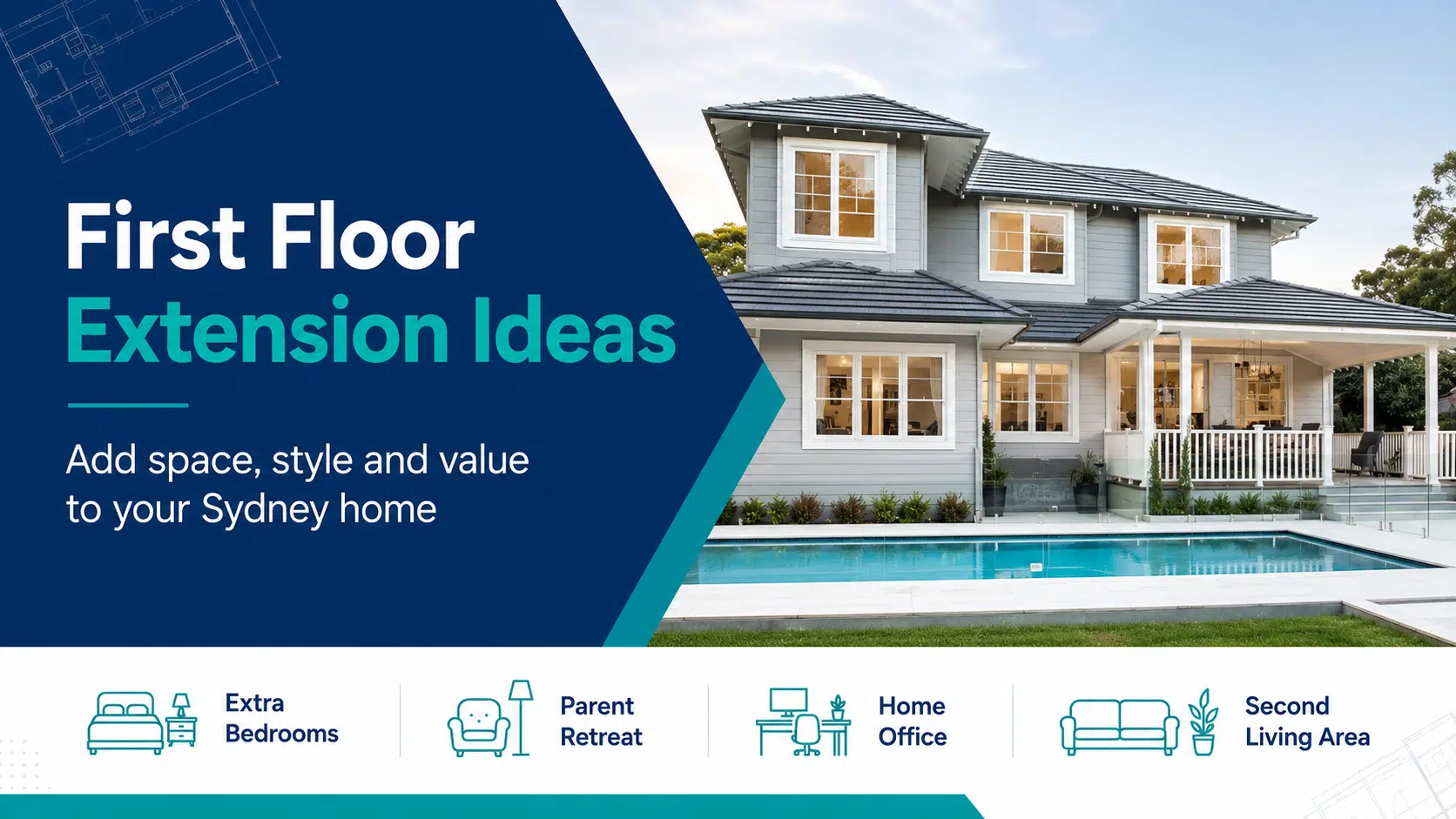
When your home starts to feel too small, moving is not always the best answer. For many Sydney families, the location is already right. The children are settled in school, work is nearby, neighbours are familiar, and the suburb feels like home. The real problem is not where you live — it is that the house no longer has enough space.
This is where a first floor extension can completely change the way your home works.
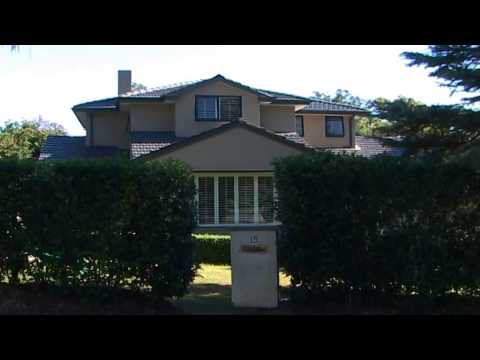
A first-floor extension, also known as a second-storey extension or upstairs addition, allows you to build upward instead of outward. It can add bedrooms, bathrooms, a parent retreat, a children’s zone, a home office, a second living area or even a balcony without taking over your backyard.
For homeowners who want more space, better lifestyle flow and stronger long-term property value, first-floor extensions are one of the most practical renovation options available.
At Extend A Home, we help Sydney homeowners create smarter, more functional homes through first floor additions, ground-floor extensions and complete home renovations. Whether your goal is more room for a growing family, a stylish modern upgrade or a better layout for everyday living, the right first floor extension ideas can help your home grow with you.
What Is a First Floor Extension?
A first-floor extension is a renovation that adds a new upper level to an existing home. In Australia, it is often also called a second-storey extension, upstairs extension, first-floor addition or home extension above the existing roofline.
Instead of expanding the home across the block, a first-floor extension builds upward. This makes it especially useful for homeowners who want more internal living space but do not want to lose backyard, garden, pool or entertaining areas.
A first-floor extension can be used to create:
- Extra bedrooms
- Additional bathrooms
- Parent retreat
- Children’s or teenager zone
- Study or home office
- Guest room
- Second living area
- Balcony or outlook space
- Storage rooms
- A more flexible family layout
The best first-floor extensions do more than add square metres. They improve the way the whole home feels and functions. A well-planned extension should connect naturally with the existing house, look balanced from the street and make daily living easier.
Why First Floor Extensions Are Popular in Sydney
Sydney homeowners often face a common challenge: they need more space, but land is expensive, and moving can be costly.
Buying a bigger home may involve stamp duty, agent fees, legal costs, moving expenses, higher mortgage commitments and competition in the property market. It may also mean leaving a suburb you love.
A first-floor extension can offer a smarter alternative.
Key Reasons Homeowners Choose First Floor Extensions
- They can stay in the same suburb
- They avoid losing backyard space
- They can add bedrooms and bathrooms
- They can improve property value
- They can modernise older homes
- They can create better separation between living and sleeping zones
- They can customise the layout around family needs
- They can improve natural light, airflow and views
For many families, building up gives them the space they need while keeping the lifestyle they already enjoy.
Best First Floor Extension Ideas for More Space
A successful first-floor extension starts with the right layout. Before thinking about colours, finishes and styling, it is important to understand what your home is missing.
Here are some practical first floor extension ideas for creating more space.
1. Add Extra Bedrooms Upstairs
Extra bedrooms are one of the most common reasons homeowners choose a first-floor extension.
If children are sharing rooms, guests are sleeping in the living area, or there is no spare room for visiting family, an upstairs bedroom zone can make a major difference.
You may choose to add:
- Two children’s bedrooms
- A larger main bedroom
- A guest bedroom
- A nursery
- A teenager’s bedroom
- A flexible bedroom/study space
Moving bedrooms upstairs can also free up the ground floor for larger living, dining and entertaining areas.
This idea works especially well for growing families who want to create a clearer separation between active living spaces downstairs and quieter sleeping spaces upstairs.
2. Create a Private Parent Retreat
A parent retreat is one of the most popular first floor extension ideas for families who want more comfort and privacy.
A parent retreat may include:
- Main bedroom
- Ensuite
- Walk-in wardrobe
- Sitting area
- Private balcony
- Study nook
- Built-in storage
This type of extension creates a calm space away from the busy family areas downstairs. It can also add a premium feel to the home, which may appeal to future buyers.
A well-designed parent retreat does not need to be oversized. Good planning, natural light, storage and privacy are more important than simply making the room large.
3. Build a Children’s or Teenager Zone
As children grow, their space needs change. Young children may need bedrooms close together, while teenagers often want privacy, study space and a separate place to relax.
A first-floor extension can create a dedicated children’s or teenager zone with:
- Bedrooms
- Shared bathroom
- Study area
- Small lounge room
- Storage
- Activity space
- Media or gaming room
This can help reduce clutter downstairs and give children a space of their own.
For parents, it also means the main living areas can remain cleaner, calmer and better suited to family time or entertaining.
4. Add a Second Living Area
A second living area is one of the most useful additions for larger families.
When everyone is sharing one lounge room, it can be difficult to balance quiet time, TV, study, play and entertaining. An upstairs living space gives the home more flexibility.
It can be used as:
- Children’s lounge
- Teen retreat
- Reading room
- Media room
- Guest sitting area
- Playroom
- Study zone
This is especially useful in homes where the ground floor layout already works well, but the family needs more separation and flexibility.
5. Include a Home Office or Study
A home office is now a priority for many families. Working from the dining table or bedroom may be fine for a short time, but it rarely works long-term.
A first-floor extension can create a quiet workspace away from daily household noise.
A good upstairs office may include:
- Built-in desk
- Storage cabinetry
- Natural light
- Good ventilation
- Acoustic separation
- Internet and power access
- Flexible use as a future bedroom
For homeowners who run a business, work hybrid roles or need a study area for children, this can be one of the most valuable parts of the renovation.
6. Add an Extra Bathroom or Ensuite
One bathroom can quickly become a problem in a busy household. Adding another bathroom upstairs can improve daily convenience and reduce morning stress.
First-floor bathroom ideas include:
- Family bathroom
- Ensuite
- Powder room
- Combined bathroom and laundry
- Separate toilet
- Bathroom with skylight
- Compact bathroom for children
Bathrooms are also important for resale value. A home with additional bedrooms but not enough bathrooms may still feel impractical. Matching the number of bathrooms to the size of the family home is key.
7. Create a Balcony or Outdoor Outlook
A first-floor extension may create the chance to add a balcony, a Juliet balcony or a window seat with a better outlook.
This can bring more natural light and fresh air into the upper level while improving the home’s sense of space.
Balcony ideas may include:
- Private balcony from the main bedroom
- Small sitting balcony
- Balcony overlooking the garden
- Street-facing architectural balcony
- Covered balcony for shade
- Sliding doors for indoor-outdoor flow
Council rules, privacy, overlooking and orientation need to be considered carefully. But when done well, a balcony can add style, lifestyle value and visual interest.
Stylish Design Ideas for a Better-Looking Home
A first-floor extension should not look like an afterthought. The new upper level needs to work with the original home while improving its overall appearance.
Here are some design ideas to add style:
Match the Existing Character
If your home has a traditional or period style, the extension should respect its proportions, roofline and materials. This does not mean copying every detail, but the new level should feel visually connected.
Use Modern Contrast Carefully
Some homes suit a modern upper level with clean lines, lightweight cladding or contemporary windows. A contrast can work beautifully when it is balanced and intentional.
Improve the Street Appeal
A first-floor extension can completely refresh the front of the home. New windows, roofing, cladding, colour schemes and entry details can make the whole property feel more modern.
Bring in Natural Light
Skylights, highlight windows, larger windows and open stair voids can make both levels feel brighter.
Use Consistent Materials
Materials should be chosen for appearance, durability and how they fit with the existing home. Brick, weatherboard, render, cladding, Colorbond roofing, and timber accents can all work depending on the design.
Think About Rooflines
The roof shape can make or break a first-floor extension. A poorly planned roofline may look bulky, while a well-designed roof can make the extension feel seamless.
First Floor Extension Ideas That Add Value
A first-floor extension can add value when it improves the home’s liveability, layout and market appeal.
The most value-focused ideas often include:
Extra Bedrooms
Adding bedrooms can increase buyer appeal, especially in family-friendly suburbs.
Additional Bathroom
A second or third bathroom can make the home more practical and attractive.
Main Bedroom With Ensuite
A main bedroom suite can give the home a more premium feel.
Better Floor Plan
A smart layout is often more valuable than simply adding more space. Flow, privacy and room placement matter.
More Natural Light
Bright, airy homes often feel larger and more inviting.
Preserved Outdoor Space
Building up rather than out can help keep the backyard, which is a major advantage for families.
Modernised Exterior
A first-floor extension can improve street appeal and make an older home feel more current.
The best value comes from balancing space, style and function. A bigger home is not automatically better if the layout is awkward or the design does not suit the property.
Planning Tips Before You Build Up
Before committing to a first-floor extension, careful planning is essential.
Check Structural Suitability
Your existing home needs to be assessed to see whether it can support an upper level. Foundations, walls, roof structure and load-bearing points may need review by professionals.
Understand Council Requirements
Height limits, setbacks, privacy rules, heritage controls and streetscape requirements may affect what you can build.
Plan the Staircase Early
The staircase is one of the most important design decisions. It affects both levels and should feel natural within the home.
Think About Services
Plumbing, electrical, heating, cooling and drainage need to connect properly between old and new areas.
Set a Realistic Budget
A first-floor extension involves design, approvals, engineering, demolition, structural work, construction, roofing, interiors and finishes. A contingency allowance is important.
Consider Family Life During Construction
Depending on the project, you may need to move out temporarily or plan around construction stages.
Design for the Future
Think about how your family will use the home in five, ten or fifteen years. Flexible rooms can make the extension more useful long-term.
Common Mistakes to Avoid
A first-floor extension is a major investment. Avoiding common mistakes can help protect your budget and results.
Only Focusing on More Space
More space is useful, but layout matters more. Rooms should be positioned properly and connected logically.
Ignoring the Existing Home
The extension should improve the whole home, not just add a second level.
Poor Staircase Placement
A badly placed staircase can waste space and disrupt the ground floor layout.
Underestimating Costs
Older homes may need structural upgrades, service upgrades or repairs once construction begins.
Not Considering Privacy
Upper-level windows and balconies need to be positioned carefully to avoid overlooking neighbours.
Choosing Style Over Function
A beautiful room still needs storage, ventilation, light and practical access.
Not Working With Specialists
First-floor extensions require specific experience. Choosing a builder who understands this type of work can make the process smoother.
How Extend A Home Can Help
Extend A Home specialises in first-floor additions, ground-floor extensions and complete home renovations for Sydney homeowners.
A first-floor extension requires design knowledge, structural understanding, approval experience and careful construction planning. Extend A Home can help guide you from the first idea through to the finished extension.
The team can assist with:
- First floor extension ideas
- Second-storey additions
- Home extension planning
- Family-focused layouts
- Extra bedrooms and bathrooms
- Parent retreats
- Children’s zones
- Home office additions
- Design and construction coordination
- Renovations that improve space, style and value
Whether your home needs more bedrooms, better flow, a new upper level or a complete redesign, Extend A Home can help create a solution that suits your family and property.
FAQ: First Floor Extension Ideas
What are the best first floor extension ideas for families?
The best ideas include extra bedrooms, a parent retreat, children’s zone, second living area, home office and additional bathroom. The right design depends on your family size, block, budget and lifestyle.
Does a first floor extension add value to a home?
A well-designed first-floor extension may add value by increasing bedrooms, bathrooms, living space and street appeal. Value depends on design quality, location, build standard and buyer demand.
Is it better to build up or extend out?
Building up is often better when you want to keep backyard space or have a smaller block. Extending out may suit homes with more land or where larger open-plan living areas are the priority.
What rooms should I add to a first-floor extension?
Popular rooms include bedrooms, bathrooms, a main bedroom suite, children’s retreat, study, guest room, second living area or balcony. The best choice depends on what your home currently lacks.
Do I need council approval for a first-floor extension?
In many cases, approval is required. Requirements depend on your local council, zoning, height limits, setbacks, heritage controls and project scope. A professional renovation team can guide you through this process.
How can Extend A Home help with first-floor extensions?
Extend A Home can help with planning, design and construction of first-floor extensions in Sydney, creating practical and stylish spaces that add room, comfort and long-term value.
Final Thoughts
A first-floor extension is one of the most effective ways to add space, style and value to your home without giving up the location you love.
Whether you need extra bedrooms, a parent retreat, a children’s zone, a home office or a second living area, building upward can unlock the potential of your existing home.
The most successful first-floor extensions are carefully planned. They respect the original home, improve daily function, add natural light and create spaces that support your family’s future.
At Extend A Home, we help Sydney homeowners design and build first-floor extensions that feel practical, stylish and built for real family living.
Contact Extend A Home today to discuss your first floor extension ideas and explore how your home can be transformed.
Disclaimer: This guide provides general information only and does not constitute building, design, legal or financial advice. First floor extension suitability, approvals, costs and timelines depend on property condition, council requirements, structural factors and project scope. Always seek advice from qualified building, design and approval professionals before starting a home extension project.
Request a Call Back
Read More
What Our Clients Say


Project: When the house was renovated by Extend a Home, I felt as if we’d doubled our house size.I just felt this was realy the home the would set us up for the next 10 years. The way they designed and built into it, it felt a lot larger, like we got a lot more bang for the buck than we expected we would
Trent & Emma

Project: I feel like I’ve died and gone to heaven in this house.I walk in, and it’s a sense of peace ’cause the openness and the light. It’s like people rent a place like this for their summer holidays and I feel like I’m here.
Deidre

Project:
I felt like my dream had come true. This is a house that we can leave our sons with confidence so it was an investment as much as it was a lifestyle change. With renovating and extending,we’ve got more storage, especially the study and the library. As a handyman myself, I was looking for attention to detail.in the work they did, the quality of the work, so nothing is too hard and it sort of just ran smoothly
Steve & Jane
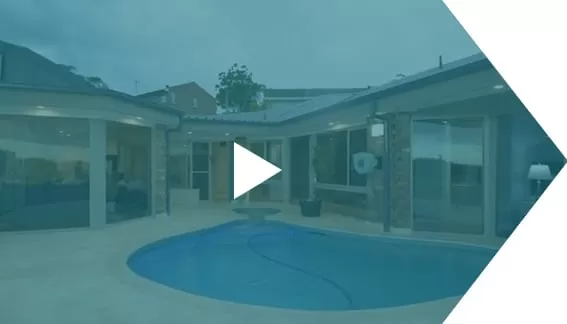

Project:
When the house was fully renovated, I felt like it was somewhere that I wanted to stay for the rest of my life it really is a friendly home to be proud of, My experience working with Extend a Home was far more pleasant than I ever thought it could be
Michele & Glen

Project: When the house was newly renovated by Extend a Home, we fet so happy, we finally got the property that we’d actually envisaged in our minds and that we always wanted. Its delivered everything that we expected and more
Richard McPartlin


Project: When Extend A Home extended our home I felt that everything was under control while they are managing the project they know what they are doing and I feel that I’m safe in their hands.We needed the space for our relatives that come over and would like to live in this place a bit longer